
This post may contain affiliate links via Amazon's affiliate advertising program. See privacy policy
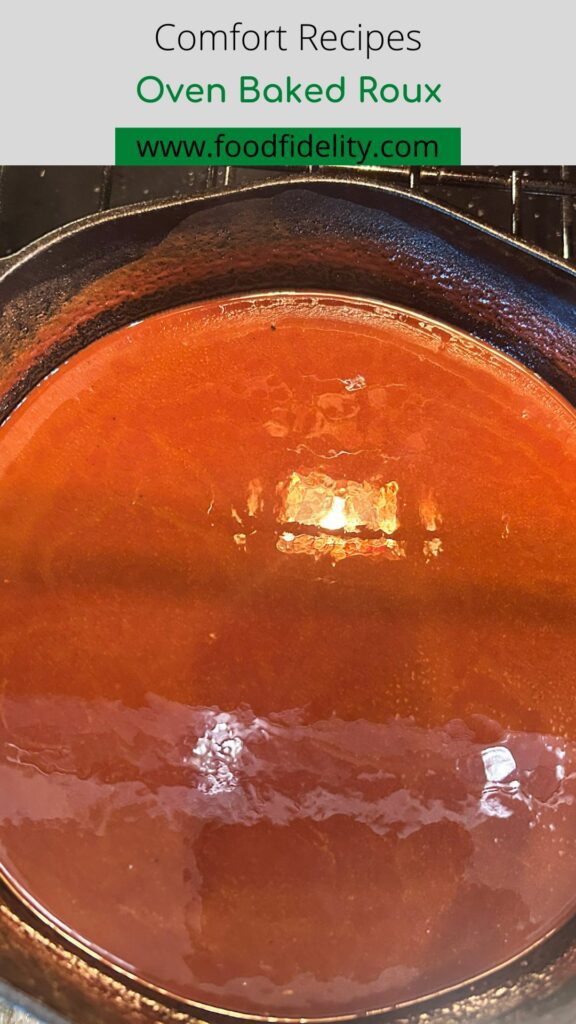
If you’ve ever stood over the stove stirring roux nonstop, worried it might burn the second you look away, the oven method is about to change your life. Oven-baked roux gives you deep, nutty flavor with far less stress.
The steady, even heat of the oven reduces scorching risk and allows you to develop anything from a light blond roux to a dark, gumbo-ready mahogany base — all with minimal hands-on time.
The Optimal Flour-to-Fat Ratio
The foundation of great roux is balance.
- Use a 1:1 ratio of fat to flour by weight.
(If measuring by volume, use equal parts, for example, 1 cup flour to 1 cup fat.)
A true 1:1 ratio ensures:
- Smooth texture
- Proper thickening power
- Even browning without clumping
If the mixture looks too dry, add a small splash of fat. If it looks greasy or separated, whisk in a little more flour.
What’s the Best Fat to Use?
The best fat depends on how dark you plan to go:
Neutral oil (vegetable or canola) – Best overall choice
- High smoke point
- Clean flavor
- Ideal for dark brown or deep mahogany roux
Peanut oil – Great for Southern and Creole dishes
- Stable at high heat
- Slight nutty depth
Duck fat – Flavor booster
- Rich and savory
- Excellent for stews and gumbo
Butter – Best for blond or light brown roux
- Adds flavor
- Not ideal for dark roux because milk solids can burn
For most applications, especially darker roux neutral oil is the most reliable and forgiving option.
How to Make Oven-Baked Roux
- Preheat oven to 350°F.
- Whisk flour and fat together in a cast iron skillet or Dutch oven until completely smooth.
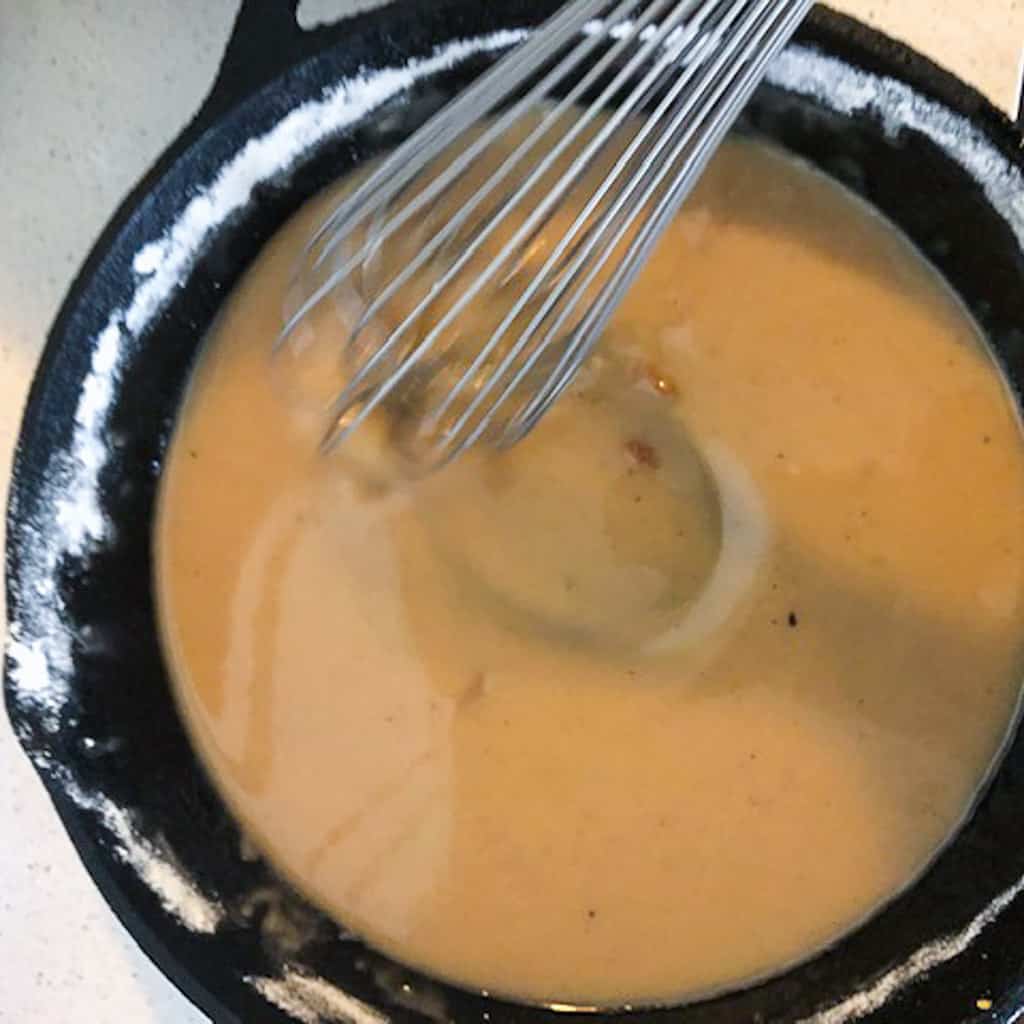
- Place uncovered in the oven.
- Stir every 20–30 minutes to ensure even browning.
- Cook 1–2 hours depending on desired color:
- 15-20 minutes for blond

- 30-40 minutes for medium brown
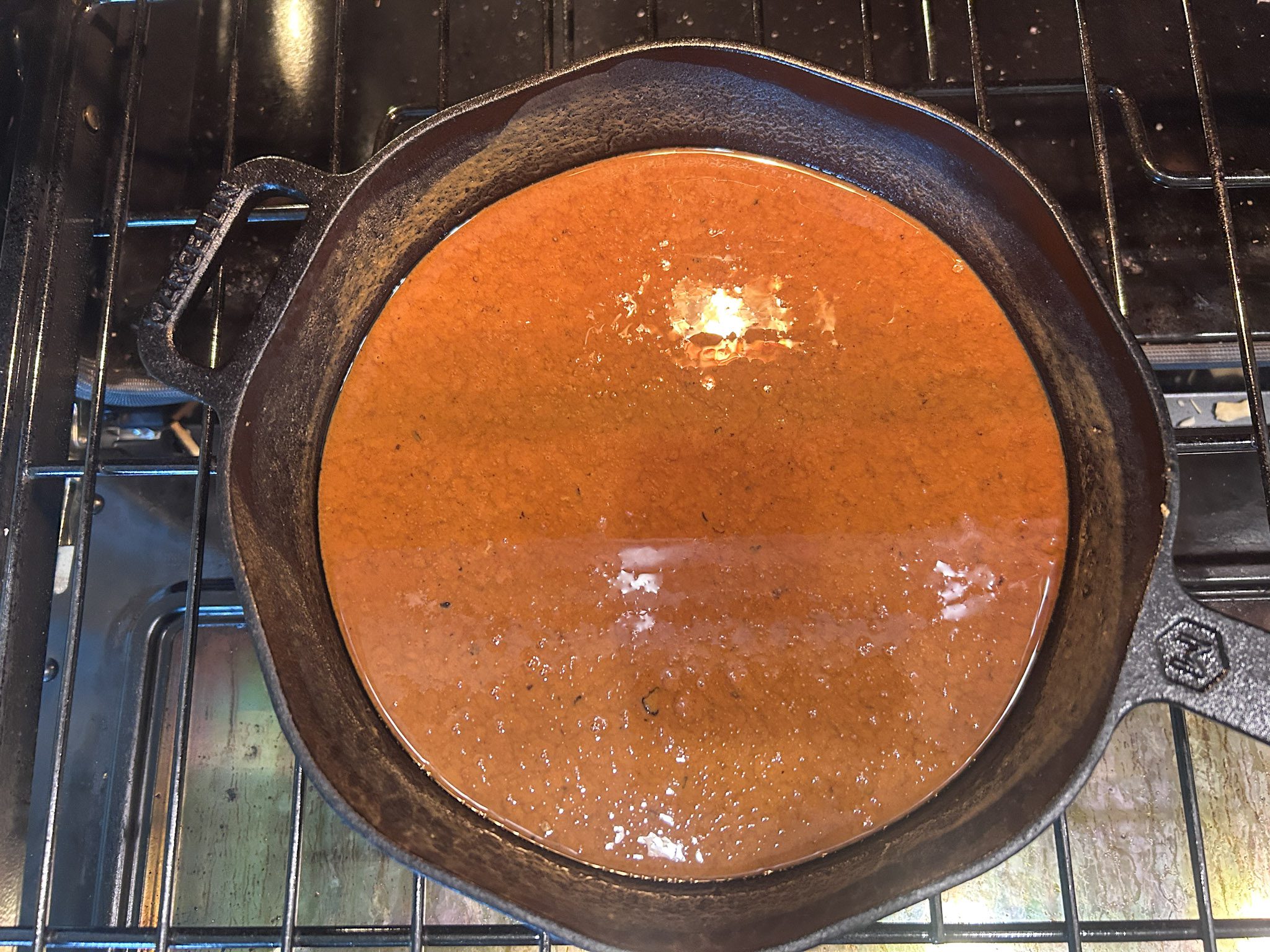
- 50–60 minutes for dark

- 80+ minutes for super dark
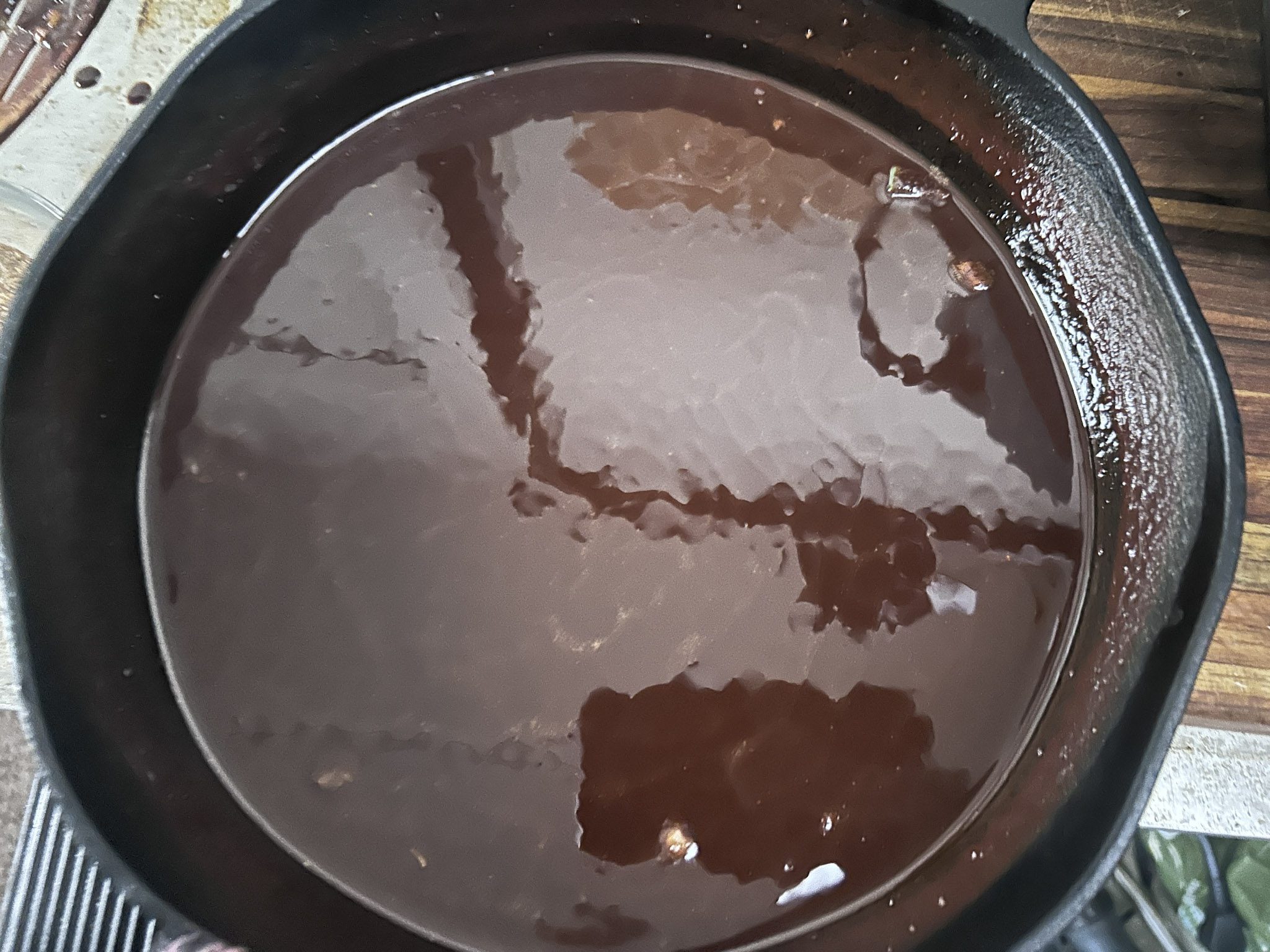
The darker the roux, the deeper the flavor, but the slightly less thickening power it will have.
Oven-baked roux is about patience and control. You get consistent color development without standing over a hot stove, making it perfect for big-batch cooking or meal prep. Once cooled, store it in an airtight container in the fridge and use it to build flavor in gumbo, étouffée, gravies, or stews whenever you need that slow-cooked depth without the drama.
My favorite gumbos to use oven baked roux include:
Let it ride low and slow, because when your roux hits that deep, chocolate groove, you’re not just cooking… you’re laying down the foundation for flavor that speaks loud without saying a word.
Keep up with my food exploits on Instagram and YouTube. If you like any of the music you find on the site, visit me at Spotify to find curated playlists.
Oven Baked Roux
Method
- Preheat oven to 350 degrees F.
- In a cast iron skillet melt the duck fat on the stove top and mix in the flour. Stir until smooth consistency.
- Place skillet in the oven and check every 20 minutes stirring if needed. Cook until desired color.
- Remove and let cool if not immediately using in a dish.

Leave a comment