
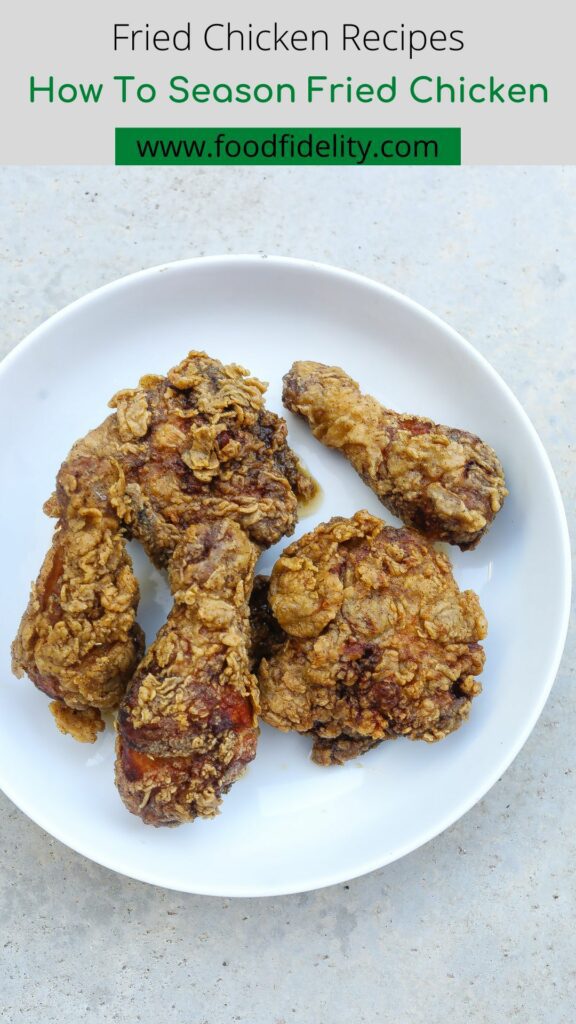
From buttermilk brines to global spice blends that hit deep
We ain’t seasoning just the crust—we building flavor in layers, from the bone to the bite.
Seasoning fried chicken the right way means building flavor at every level—inside the meat, in the coating, and in the finish. The best fried chicken uses a combination of marinades, dry rubs, and seasoned dredges to create that balance of juicy interior and crispy, flavorful crust.
Rooted in Southern tradition but influenced by global techniques, this guide shows you how to season fried chicken for maximum flavor impact. A buttermilk brine and dry seasonings like paprika, salt, pepper, cayenne pepper, garlic powder are common ways to season Southern fried chicken.
THE FOUNDATION: 3 WAYS TO SEASON FRIED CHICKEN
1. Marinades (Flavor goes beneath the surface)
Marinades combine acid, fat, and seasoning to tenderize and infuse flavor into the chicken. Ingredients like buttermilk, Greek yogurt, citrus, or vinegar help break down proteins while locking in moisture.
2. Dry Rubs (Crust-building flavor)
Dry rubs are spice blends applied directly to the chicken and the dredge, creating a flavorful outer layer and helping develop a crispy crust during frying.
3. Layering (THE secret weapon)
The best fried chicken seasons:
- the meat
- the marinade
- the flour/coating
FOOD FIDELITY SEASONING STYLES
Now let’s talk flavor like a DJ spinning records across continents—each style bringing its own rhythm, technique, and soul.
Haitian Fried Chicken (Epis Power)
Flavor profile:
Herbaceous, garlicky, citrus-forward with a subtle heat. Epis seasoning brings layered freshness from peppers, herbs, and aromatics.
Technique:
Chicken is marinated in epis before frying, allowing the seasoning to penetrate deep into the meat—not just sit on the surface. Haitian style doesn't rely on a flour based dredge.
Cultural context:
Epis is foundational in Haitian cooking; this isn’t just seasoning, it’s a base flavor system used across dishes.
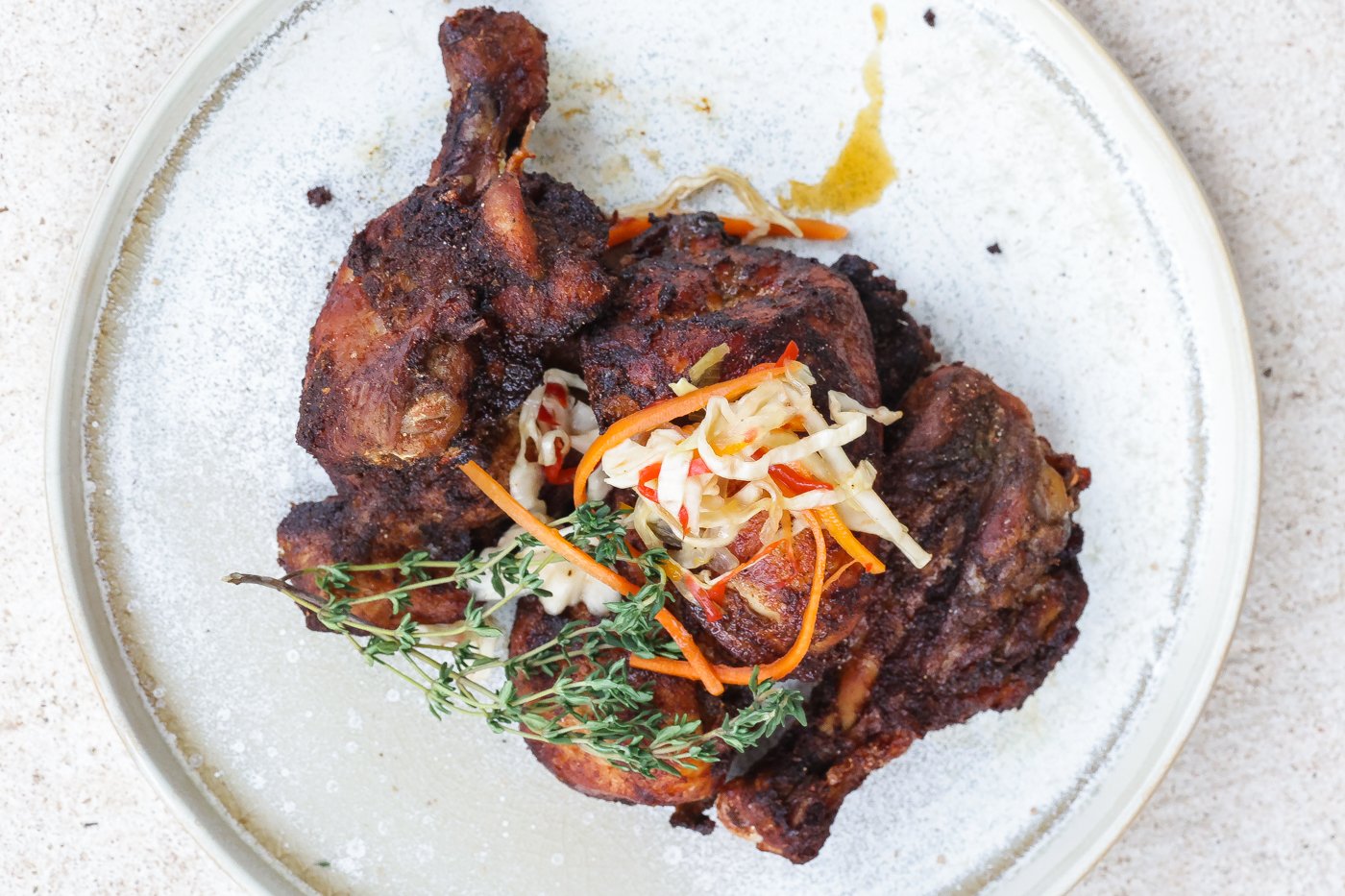
Kerala-Inspired Fried Chicken (Spice-Driven Heat)
Flavor profile:
Fresh, bold, and aromatic - fresh cilantro, green chili, garlic.
Technique:
A yogurt or buttermilk-based marinade carries spices into the chicken.
Cultural context:
Kerala cuisine is known for spice-forward marinades and frying techniques that balance heat with richness. In this fusion version we smoke the chicken after marinating kerala style and then frying.
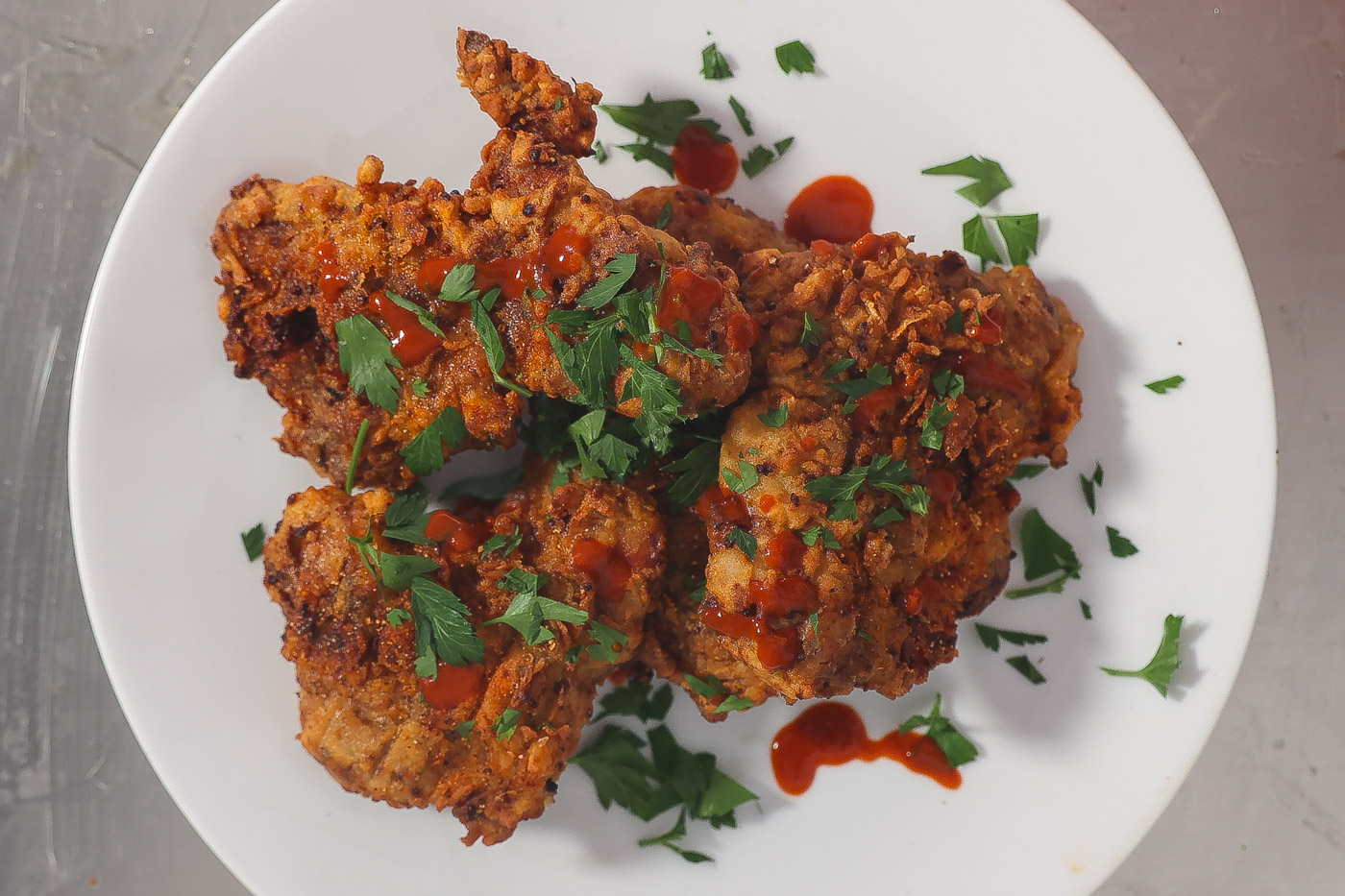
Brazilian Fried Chicken (Bright + Savory)
Flavor profile:
Garlic-heavy, citrus-bright, slightly smoky with paprika notes.
Technique:
Marinated in lime juice and garlic, then fried quickly to keep the flavor fresh and vibrant.
Cultural context:
Brazilian cooking leans into bold seasoning with acidity to balance richness.
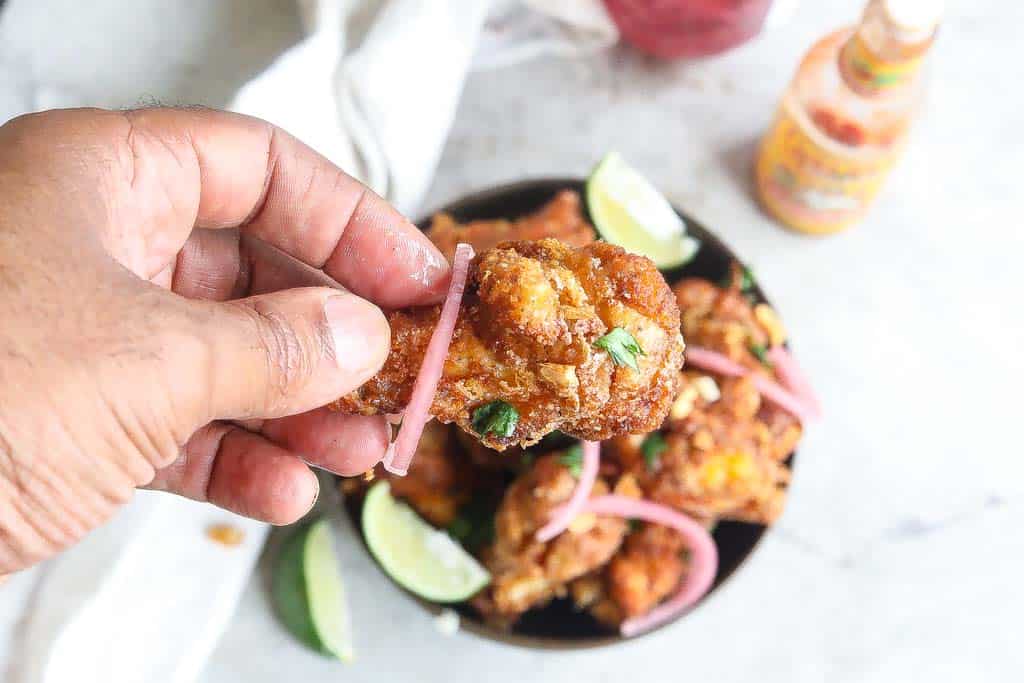
Jerk Fried Chicken (Heat + Herb + Smoke)
Flavor profile:
Spicy, smoky, herbal - Scotch bonnet heat layered with thyme and allspice.
Technique:
A wet jerk marinade is applied and rested with buttermilk, allowing deep penetration before frying. Dry jerk seasoning is added to the dredge and finished chicken.
Cultural context:
Jerk is a preservation and flavor technique rooted in Jamaican history built for boldness.
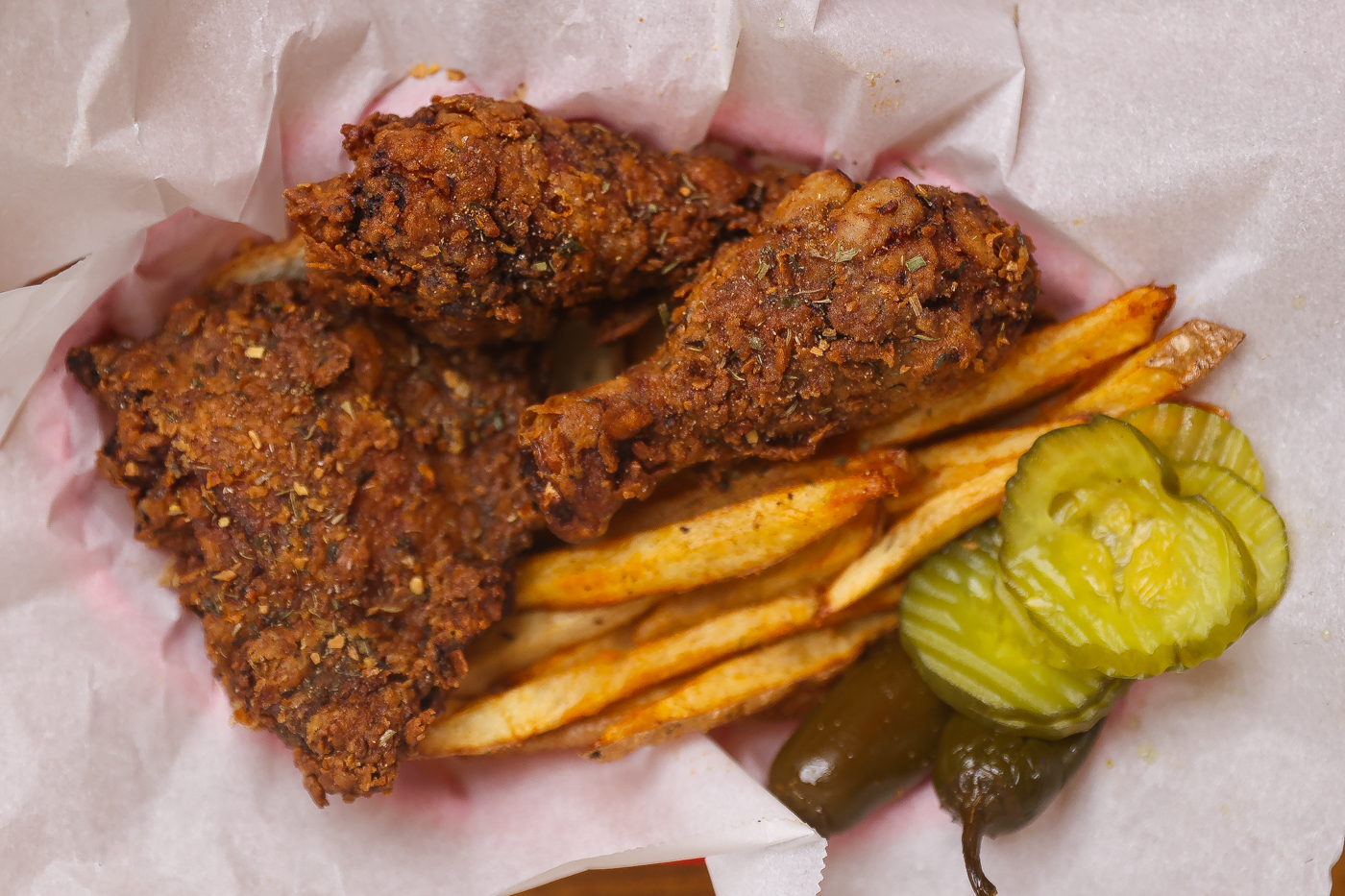
Buttermilk Brined Fried Chicken (Southern Classic)
Flavor profile:
Tangy, savory, balanced with subtle heat.
Technique:
Chicken is soaked in buttermilk and spices for hours or overnight, tenderizing and seasoning the meat before dredging.
Cultural context:
A staple of Southern cooking, where seasoning the meat, not just the crust is key.
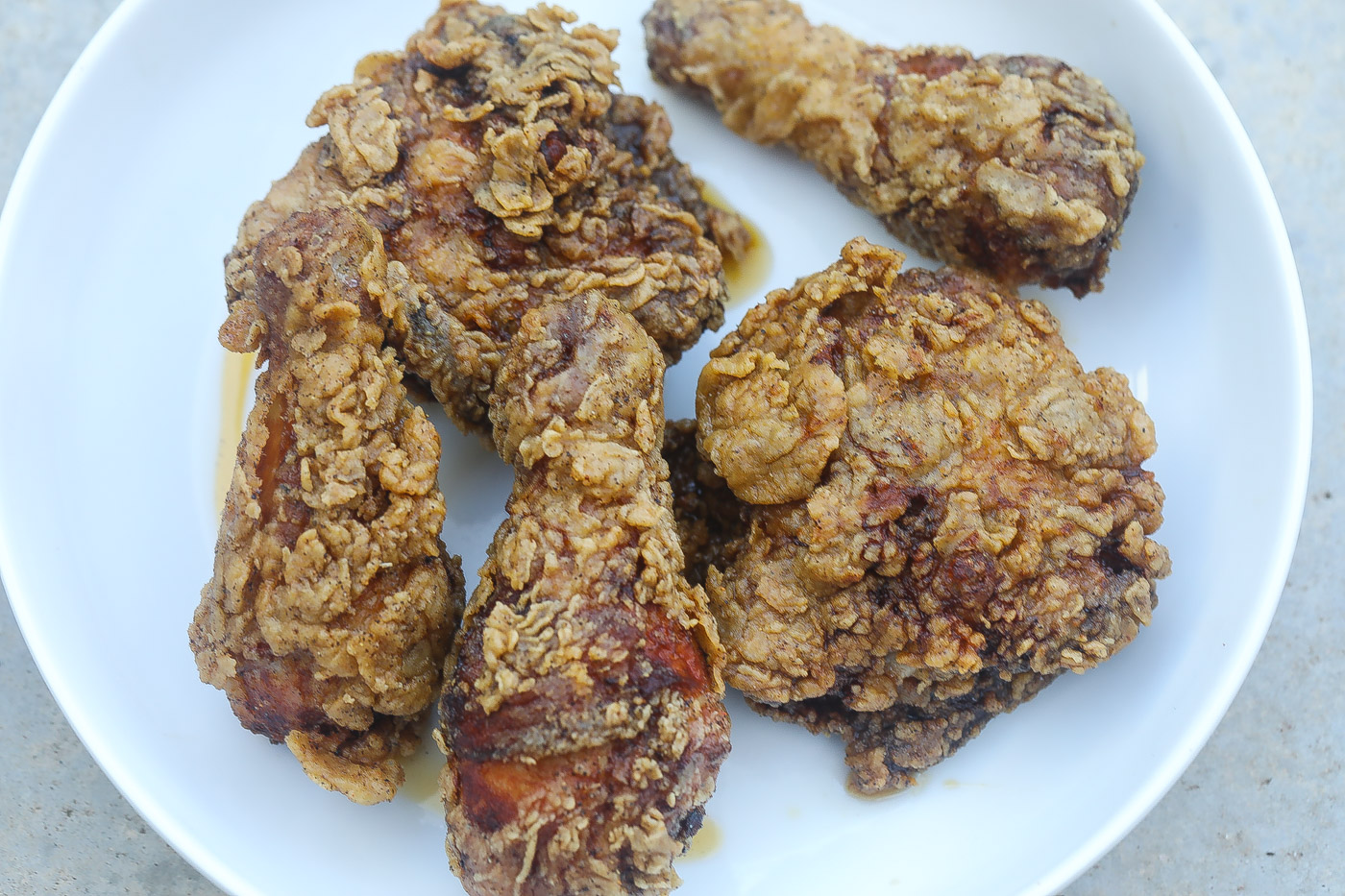
Nashville Hot Chicken (Post-Fry Heat Bomb)
Flavor profile:
Fiery, slightly sweet, oil-based spice heat.
Technique:
Chicken is fried first, then brushed with hot oil infused with cayenne, paprika, and sugar.
Cultural context:
Born in Nashville, this style flips the script seasoning comes AFTER frying. Below recipe is for Nashville Hot fried shrimp sandwich, but the technique for fried chicken is the same.
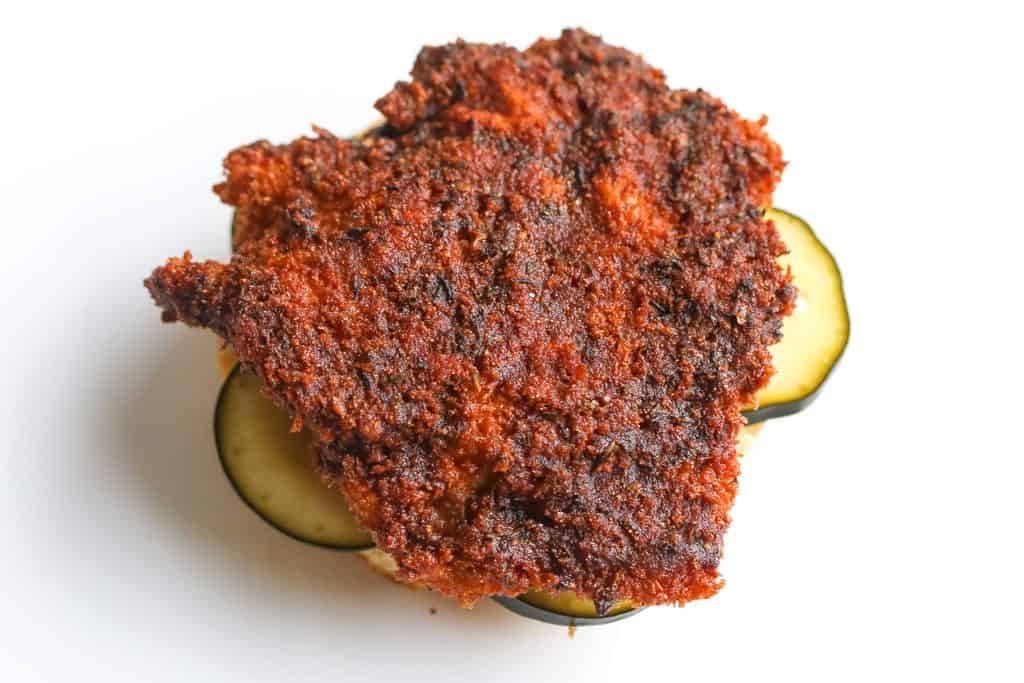
Lemon Pepper Wings (Bright Finish)
Flavor profile:
Sharp citrus, peppery bite, clean and punchy.
Technique:
Seasoning is applied after frying to preserve the brightness of lemon zest.
Cultural context:
A Southern wing classic, especially popular in Atlanta food culture.
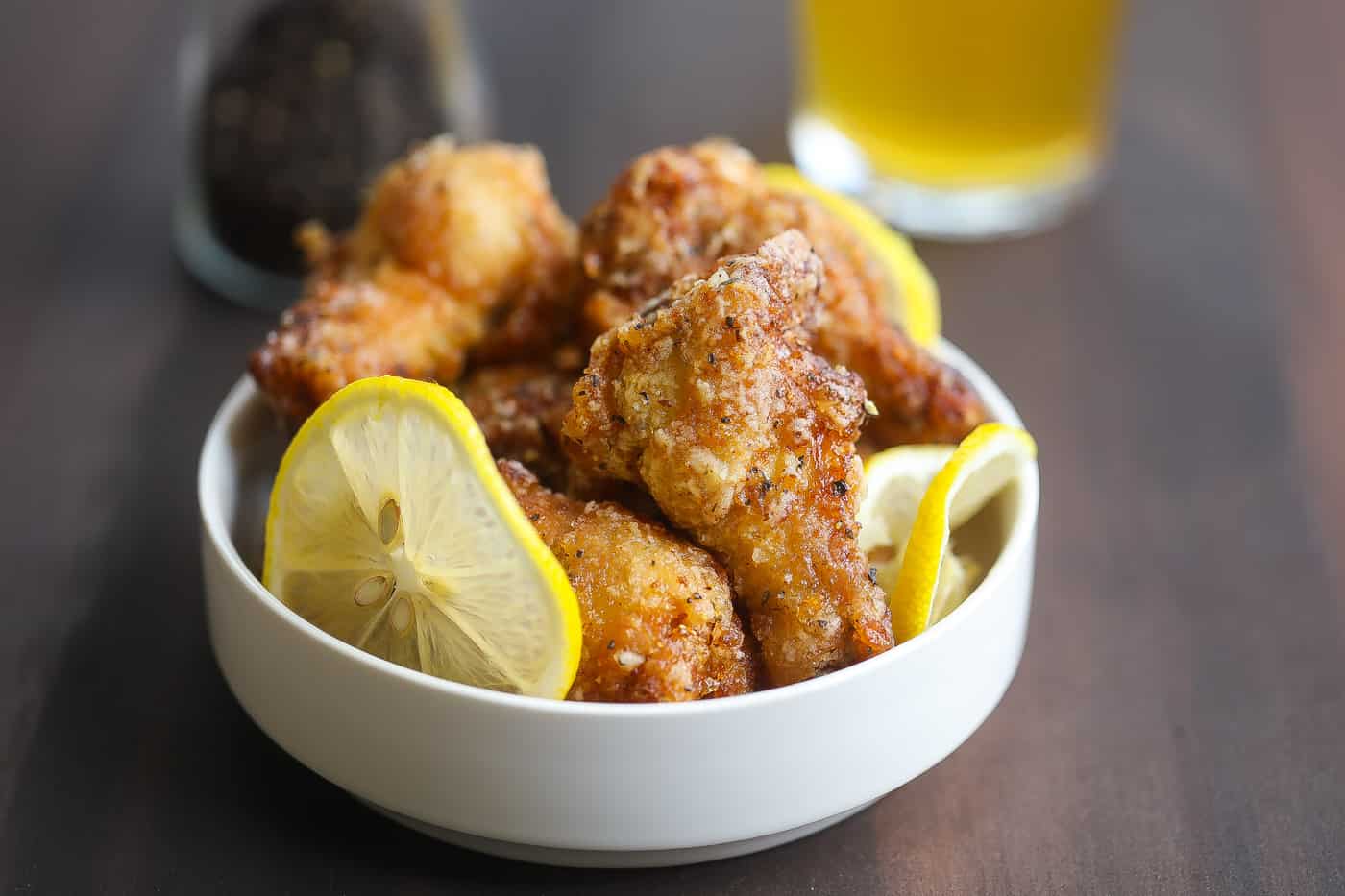
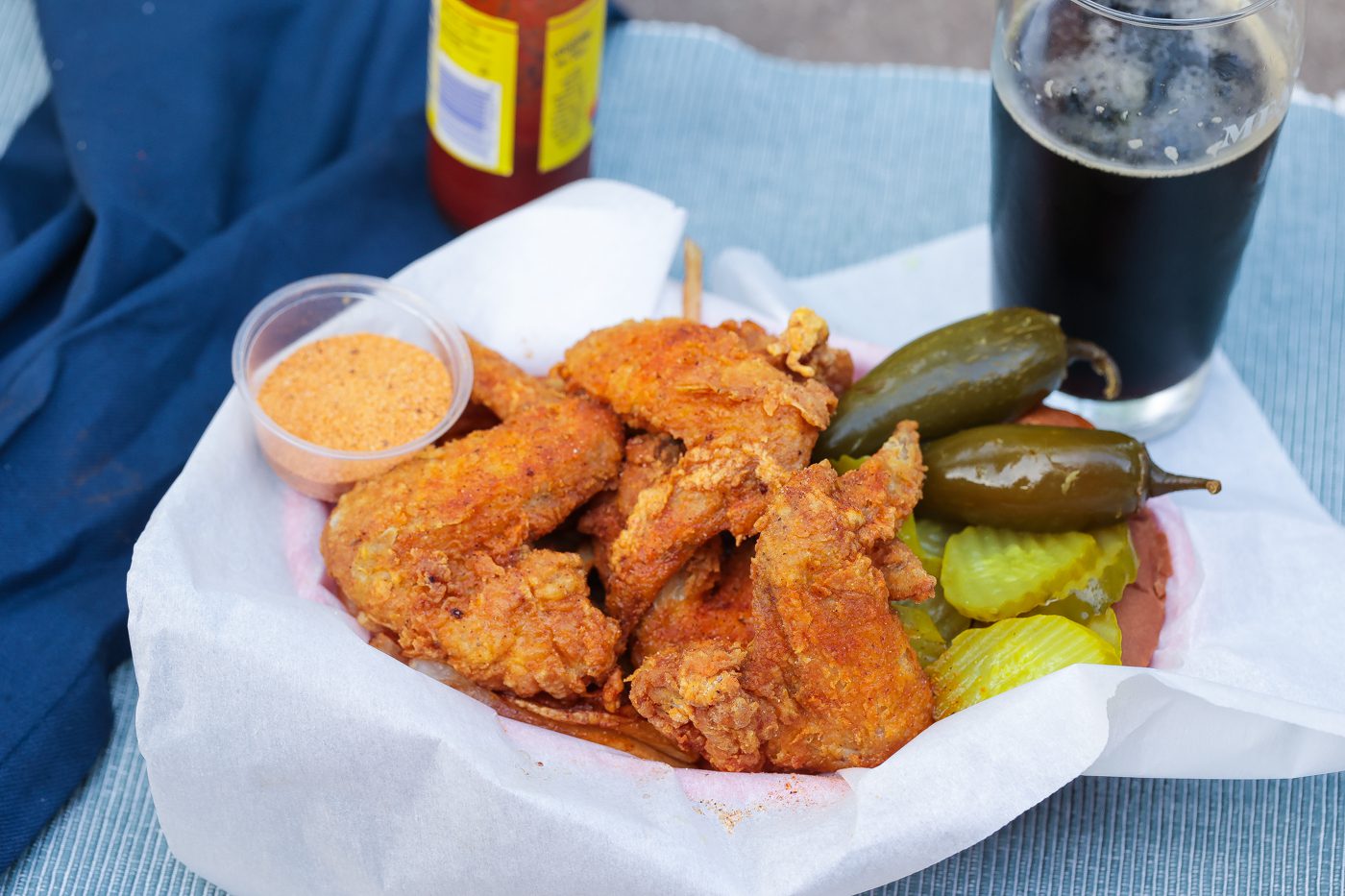
Dry Rub Fried Chicken (Crust-First Flavor)
Flavor profile:
Smoky, savory, slightly sweet with paprika, garlic, and spice blends.
Technique:
Dry seasoning is applied directly to the chicken before dredging and frying and then applied afterwards.
Cultural context:
Rooted in Dallas fried chicken traditions where spice blends define the flavor identity.
Karaage (Umami Marinade + Light Crunch)
Flavor profile:
Savory, gingery, slightly sweet with soy-based umami.
Technique:
Chicken is marinated in sake, garlic, and ginger, then coated in starch (not flour) for a lighter crisp.
Cultural context:
Japanese karaage focuses on balance and texture over heavy seasoning.

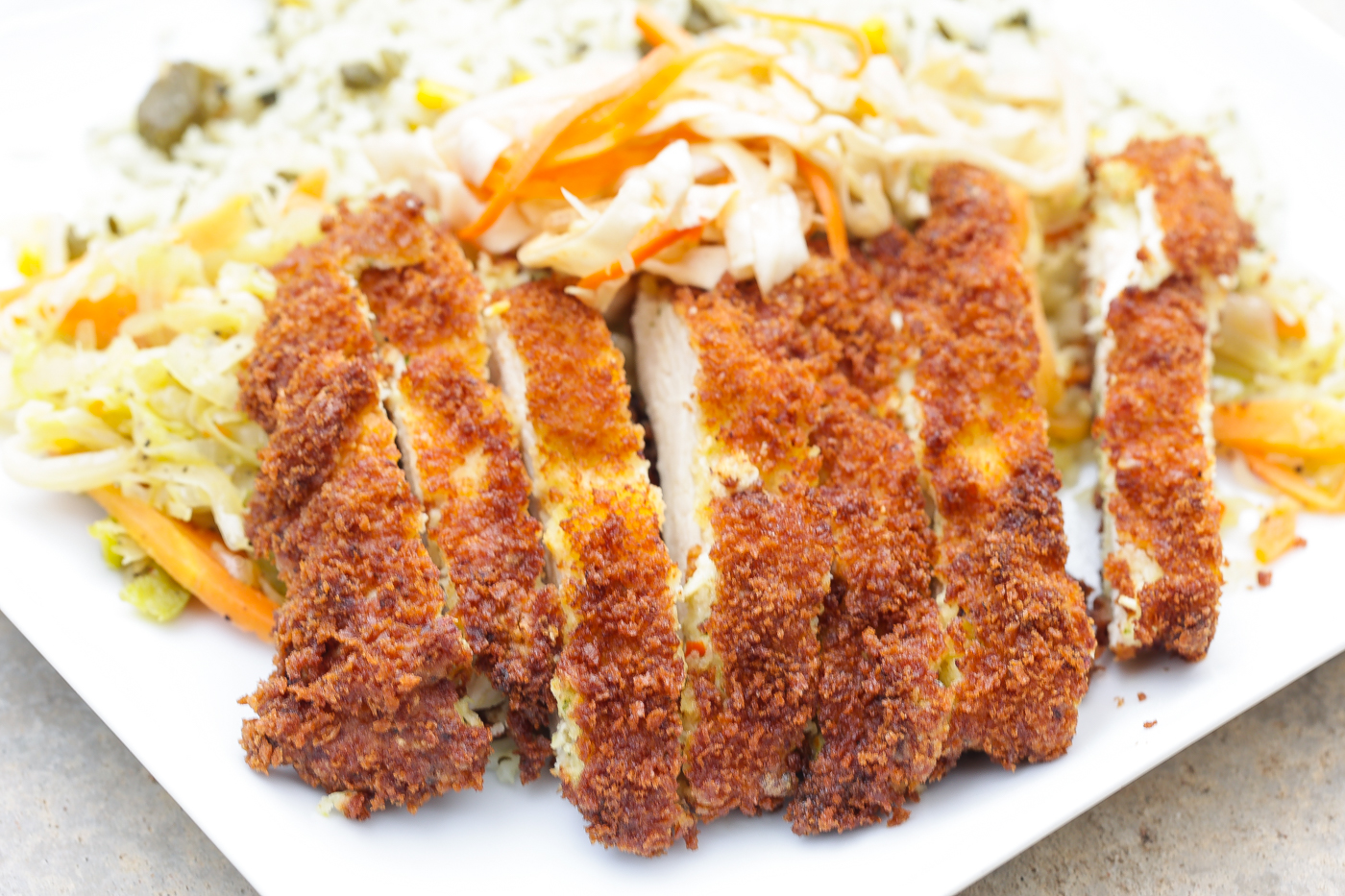
Katsu (Crunch Over Spice)
Flavor profile:
Mildly seasoned, crispy, clean flavor.
Technique:
Breaded with panko and fried—seasoning is minimal, with sauce added later.
Cultural context:
Japanese cuisine often separates seasoning from texture—letting sauces carry flavor.
Orange Chicken (Sauce-Led Flavor)
Flavor profile:
Sweet, citrusy, slightly tangy with umami depth.
Technique:
Chicken is lightly seasoned and fried, then tossed in a bold orange-based sauce.
Cultural context:
Chinese-American cuisine emphasizes sauce as the dominant flavor layer.

HOW TO CHOOSE YOUR SEASONING STYLE
- Classic Southern? Buttermilk brine
- Bold + global? Jerk, epis, or Kerala
- Crispy-focused? Dry rub
- Sauce-driven? Nashville hot or orange chicken
PRO TIPS (WHAT SEPARATES GOOD FROM GREAT)
- Season the chicken BEFORE anything else
- Let marinades sit long enough to work (but not too long)
- Always season your flour coating
- Rest dredged chicken before frying for better crust
- Balance salt, acid, and spice
Fried chicken is layered cooking; each step adds another note. Season it like you mean it - layer it, respect it, and let every step build flavor from the inside out because great fried chicken ain’t just crispy, it’s soulful all the way to the bone.
Keep up with my food exploits on Instagram and YouTube. If you like any of the music you find on the site, visit me at Spotify to find curated playlists.
Leave a comment