
Start with a visual check. A healthy sweet potato has smooth, unbroken skin and feels firm. If you notice deep wrinkles, dark spots, or mold (usually white, black, or green fuzzy patches), it’s a clear sign of spoilage. Soft or mushy areas, especially near the ends, signal internal rot. Trust your nose—an off, sour, or musty smell means the sweet potato has turned.
Sprouting is a sign it’s starting to age, but it doesn't mean it’s unusable. You can still cook it after trimming the sprouts—just make sure the flesh is still firm and doesn’t show signs of rot.
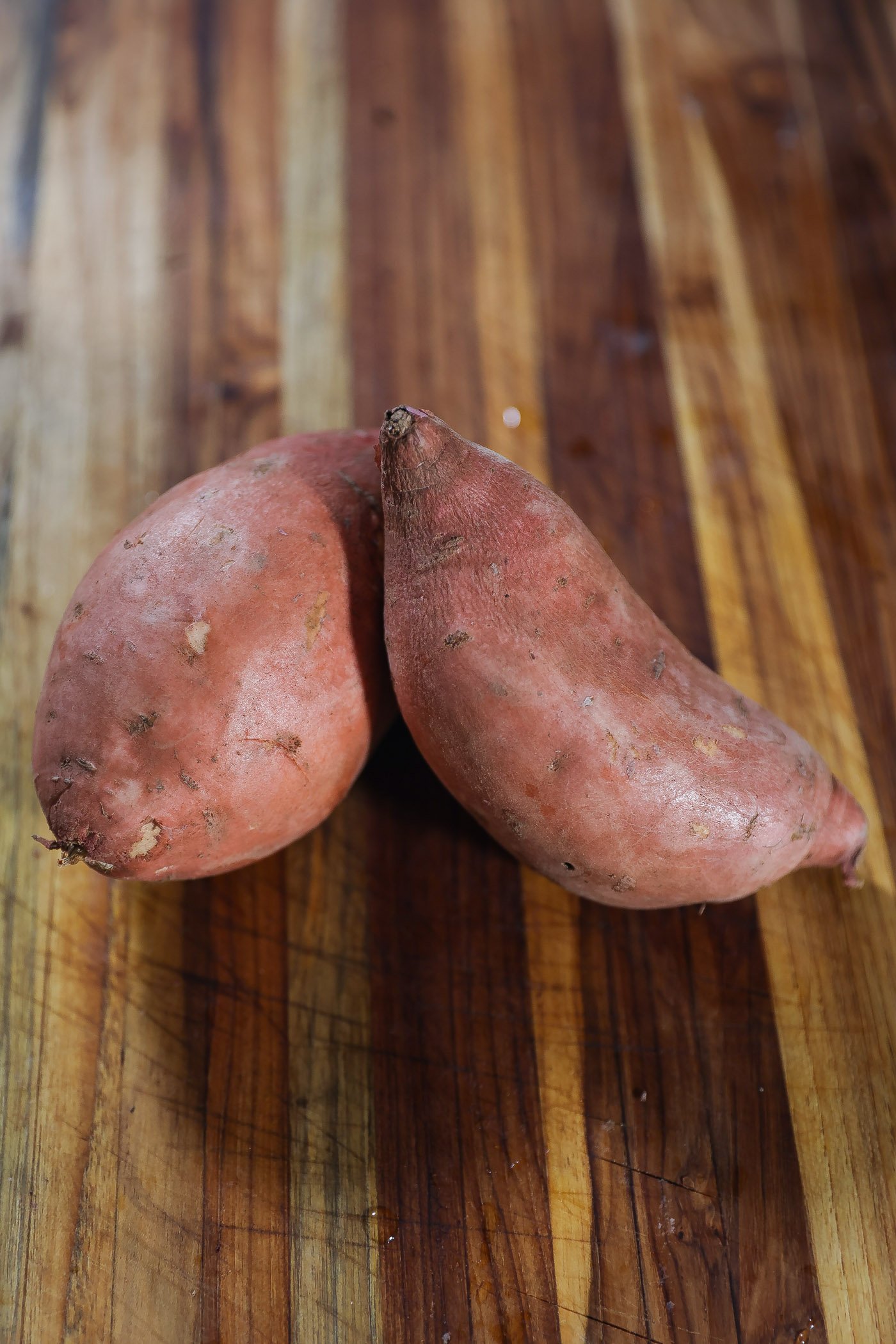
Cooked sweet potatoes can go bad too. If they smell off, feel slimy, or have darkened significantly in color, it’s time to throw them out. Leftovers should be refrigerated and eaten within 4–5 days.
To extend their shelf life, store raw sweet potatoes in a cool, dark place—not the fridge. Treat them right, and they’ll keep showing up golden, sweet, and soul-satisfying on your table.
Sweet potatoes hold a sacred place in African American foodways—deeply rooted in West African traditions and carried through generations. From Sunday suppers to holiday feasts, sweet potatoes show up in beloved dishes like candied yams, sweet potato pie, and stews including this delicious beef stew. With such cultural and culinary weight, knowing how to tell when a sweet potato is no longer good helps preserve both flavor and food legacy.
Leave a comment