
This post may contain affiliate links via Amazon's affiliate advertising program. See privacy policy
This blackened redfish hits like controlled distortion: a deeply seasoned, smoky crust wrapped around moist, flaky fish. Rooted in Louisiana Cajun cooking and the blackening technique popularized by Chef Paul Prudhomme, the fish gets generously seasoned, then seared hard in cast iron. My move is ghee instead of regular butter because it handles that fierce heat while adding rich, nutty flavor without distracting from the redfish.
For a full Southern spread, serve this blackened fish with collard greens, flavorful Gullah red rice, or something else simple and vegetable forward.
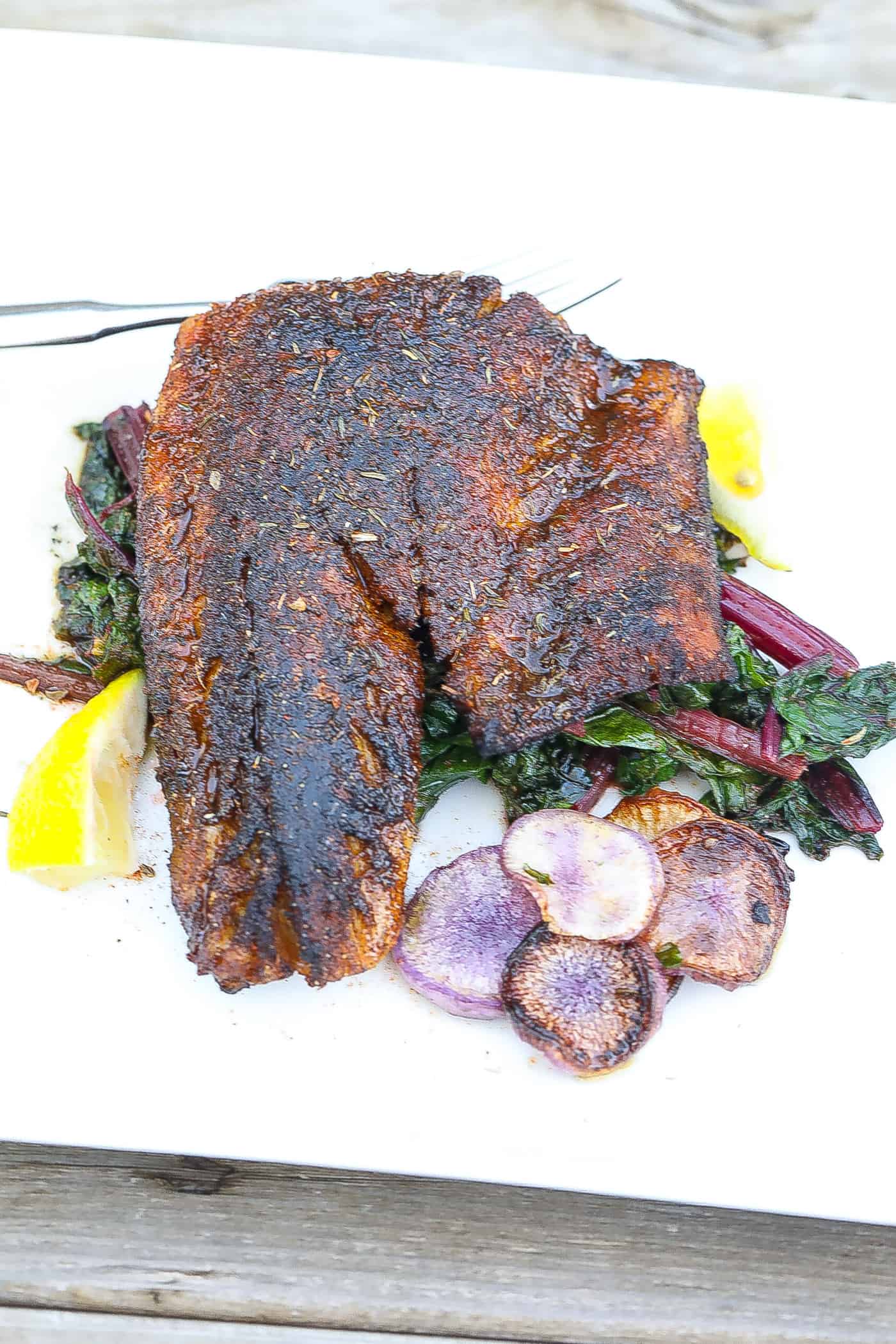
Why This Skillet Redfish Works
Good cajun blackened fish isn't simply spicy fish. The magic is the contrast between the dark, aromatic spice crust and the delicate flesh underneath.
Redfish is particularly good for blackening because its firm texture stands up to aggressive cast iron cooking. The seasoning provides smoke, earthiness, heat, and savory depth while ghee helps conduct enough heat to create that signature blackened crust. Because ghee has had its milk solids removed, I prefer it over whole butter when I'm cooking at the temperatures this technique demands.
If you're looking for more seafood ideas after this one, browse my seafood recipes and look for recipes built around grilling, blackening, and other high heat techniques.
Key Ingredient Notes
Blackening Seasoning
Blackening seasoning is the entire rhythm section here. I want a blend that brings heat without allowing cayenne to hijack everything else. Paprika gives you earthy sweetness and color, thyme and oregano bring herbal character, garlic and onion powder build savory depth, and cayenne plus white and black pepper supply layered heat.
You can find Cajun or blackening seasoning in just about any well stocked grocery store, but homemade cajun seasoning gives you much better control over salt and heat. If you're substituting a commercial seasoning, check the sodium level before adding extra salt.
Be generous when coating the redfish. You're not lightly seasoning a fillet. You're building the crust that defines a proper blackened redfish recipe.
Ghee
Ghee is my not so traditional move. Its concentrated buttery flavor gives the redfish richness, while its suitability for high heat cooking makes it a natural fit for blackening.
Look for ghee near cooking oils, specialty butters, or Indian ingredients at larger grocery stores. Clarified butter is the closest substitute. Regular butter works too, but I find it less forgiving once that cast iron gets seriously hot.
How I Make Blackened Redfish
1. Dry the redfish
I start by patting the redfish fillets extremely dry. Don't overlook this. Surface moisture fights browning, and browning is the whole game here.
If your blackened fish comes out looking steamed rather than deeply crusted, moisture or insufficient skillet heat is usually the culprit.
2. Season aggressively
I coat both sides of the redfish generously with blackening seasoning and press the spices into the surface.
I've found that timid seasoning produces timid blackened fish. You need enough spice to create an actual crust, but that doesn't mean everything has to taste like cayenne. Building the seasoning from paprika, garlic, herbs, and aromatics creates more dimension.
3. Get the cast iron hot
This is where you've got to trust the technique.
I heat my cast iron skillet until it's legitimately hot before adding the ghee. Blackening depends on intense contact heat. Starting with a lukewarm skillet means the redfish slowly cooks before the crust develops, which increases your chances of dry fish.
You're looking for an immediate, aggressive sizzle when the fish hits the skillet.
4. Sear without messing with it
Once the seasoned redfish goes down, I leave it alone.
Constantly lifting, sliding, or flipping the fish prevents the blackening seasoning from forming that dark, slightly crisp crust. Give the first side time to make full contact with the cast iron.
When the crust releases naturally, flip it.
5. Baste and finish
After flipping, I add a little more ghee and baste the fish as it finishes.
This is where the recipe really comes together. That hot seasoned fat washes over the fillet, reinforcing the buttery richness while keeping the surface glossy and aromatic.
Pull the redfish as soon as the center turns opaque and flakes easily. Blackened does not mean overcooked.
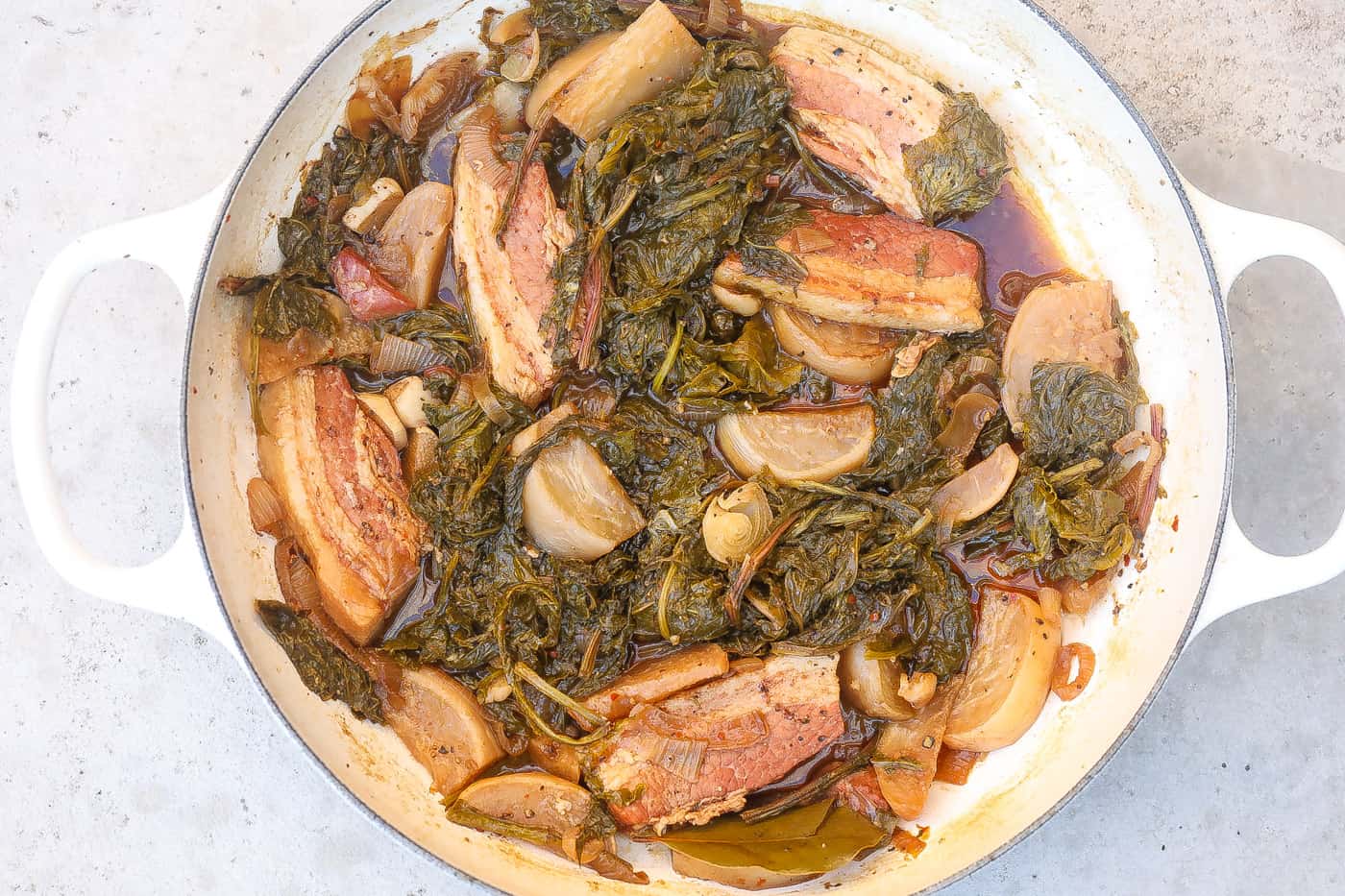
Remove the fish and serve with a side of Southern comfort smothered cabbage.
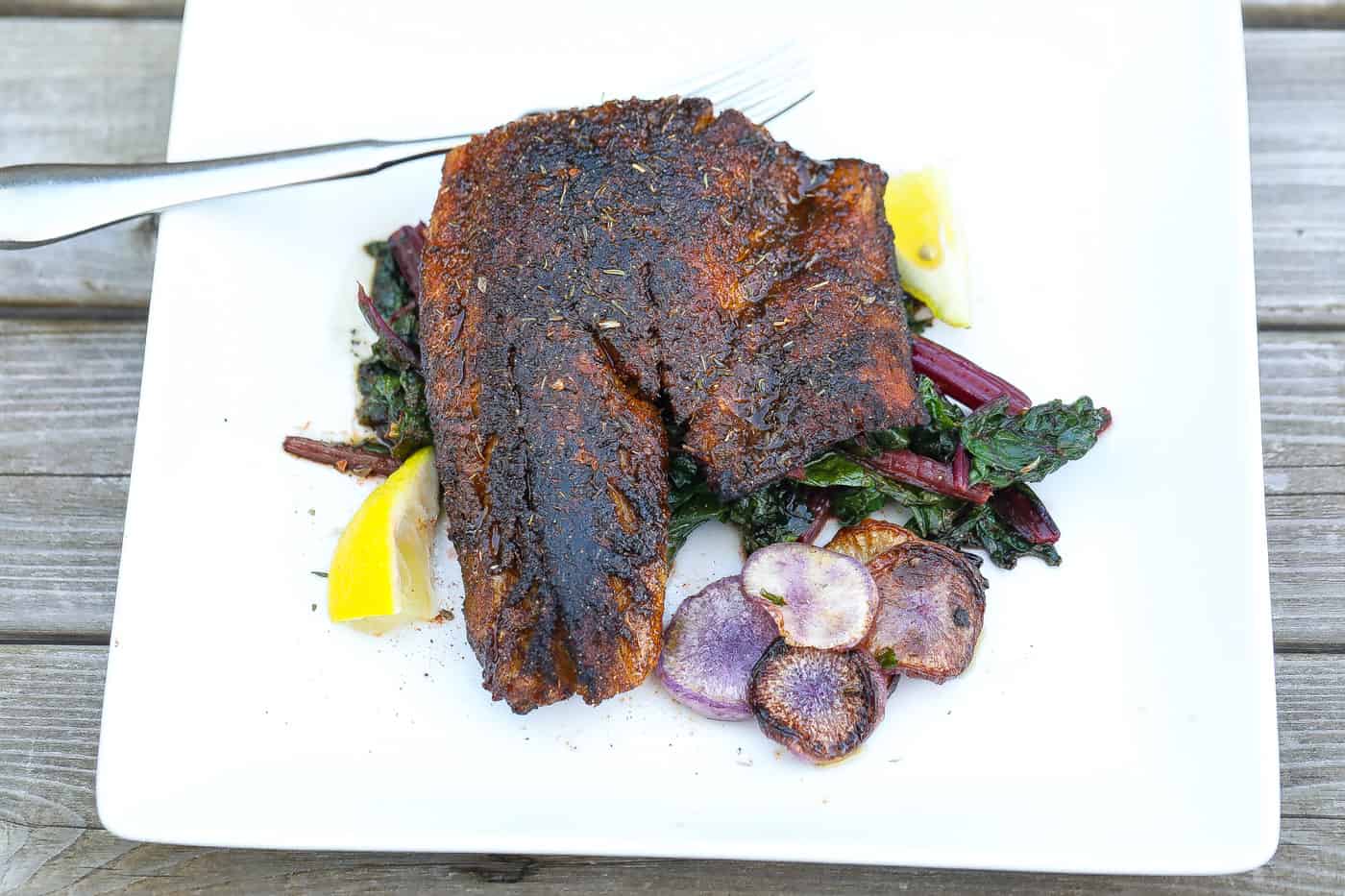
Recipe Notes
• Use fresh redfish when available. Snapper, grouper, bass, and catfish are excellent substitutes because their relatively firm flesh responds well to blackening.
• Dry fish equals better crust. Pat the fillets thoroughly with paper towels before seasoning.
• A cast iron skillet is my first choice because it retains the intense heat necessary for authentic blackened fish.
• Don't crowd the skillet. Cook in batches if necessary or you'll drop the pan temperature and steam the fish.
• Season the fish shortly before cooking rather than hours ahead so salt doesn't pull unnecessary moisture from the fillets.
• Leftover blackened redfish will keep refrigerated in an airtight container for about 2 to 3 days, but the crust is at its best straight from the skillet. Reheat leftovers gently. High microwave heat can turn beautifully flaky redfish into seafood jerky real quick.
• Leftover fish also works well flaked into tacos, grain bowls, salads, or alongside Jamaican rice and peas for a Caribbean leaning remix.
• For a more Louisiana focused plate, pair it with dirty rice and greens. The deeply savory rice plays especially well against the peppery blackened crust.
The Listening Experience
How This Dish Sounds
Louisiana blackened redfish sounds like Art of Noise's "Moments in Love."
That's the contradiction that makes the pairing work.
The fish looks aggressive. You've got the near black crust, smoke rolling off cast iron, cayenne heat, cracked pepper, and that hard sear. But break through the crust and everything changes. The redfish underneath is moist, delicate, buttery, and almost silky.
"Moments in Love" works through a similar tension. Instead of traditional lyric driven storytelling, the track creates emotion through spacious electronic textures, repeating melodic phrases, atmospheric harmonies, percussion, and dramatic changes in density. It feels simultaneously mechanical and intimate.
That's this blackened redfish.
The cast iron sear is the percussion.
The blackening seasoning is distortion and texture.
Cayenne and white pepper provide the high frequency bite.
The rich ghee is the low end, smoothing everything out and giving the sharper flavors somewhere to land.
And that flaky redfish interior is the melody: restrained, delicate, and surprisingly soft against everything happening around it.
Even the cooking method follows the song's emotional architecture. There's intensity on the surface but restraint underneath. That's important because the best blackened redfish isn't burned into submission. The technique should amplify the fish rather than erase it.
making this recipe
If you enjoy cooking this way, explore more cast iron and blackened recipes. The combination of aggressive technique and thoughtful seasoning is one of my favorite ways to turn simple ingredients into something with serious personality.
This is blackened redfish turned all the way up where Cajun technique, bold seasoning, delicate texture, and a little ghee come together in perfect fidelity.
Cook with soul. Eat with rhythm. Live with flavor. That's Food Fidelity.
You can also keep up with my food exploits as well as original recipes! You can find me on Instagram, Facebook, Twitter, and Pinterest. If you like any of the music you find on the site, visit me at Spotify to find curated monthly playlists.
Lastly, go to my YouTube channel and subscribe to be notified when new weekly videos are uploaded.
Cast Iron Blackened Redfish with Ghee
Ingredients
- 1 lb redfish
- ¼ cup melted ghee
- 1 tablespoon butter
- ½ tablespoon paprika
- ½ teaspoon cayenne
- ½ teaspoon garlic powder
- ¼ teaspoon white pepper
- 1 teaspoon kosher salt
- 1 teaspoon black pepper
- ¼ dried thyme
- ½ teaspoon dried oregano
Method
- Melt ghee and brush both sides of the fish with it.
- Mix all the spices together in a mixing bowl.
- Season the fish on both sides with the spice mix.
- Heat a cast iron skillet on high heat. It should be smoking hot. Turn your stovetop fan on to it’s highest setting. Add the ghee and make sure the entire pan is covered with a layer.
- Add the fish. If cooking with skin on one side then start skin side down first. Add a tablespoon butter to the hot skillet for basting. As it begins to melt tilt the pan and using a spoon scoop up the melted butter and continually baste the fish with it. Cook 2-3 minutes depending on thickness. Flip and cook another 2-3 minutes.
- Remove the fish and serve.
Nutrition

Notes
- Snapper
- Grouper
- Catfish
- Bass
Leave a comment