
This post may contain affiliate links via Amazon's affiliate advertising program. See privacy policy
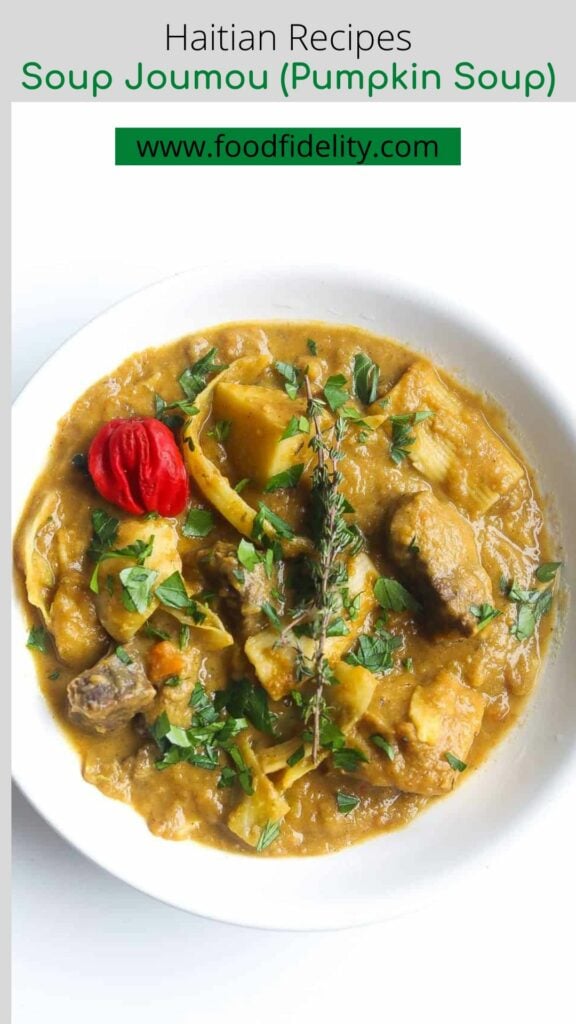
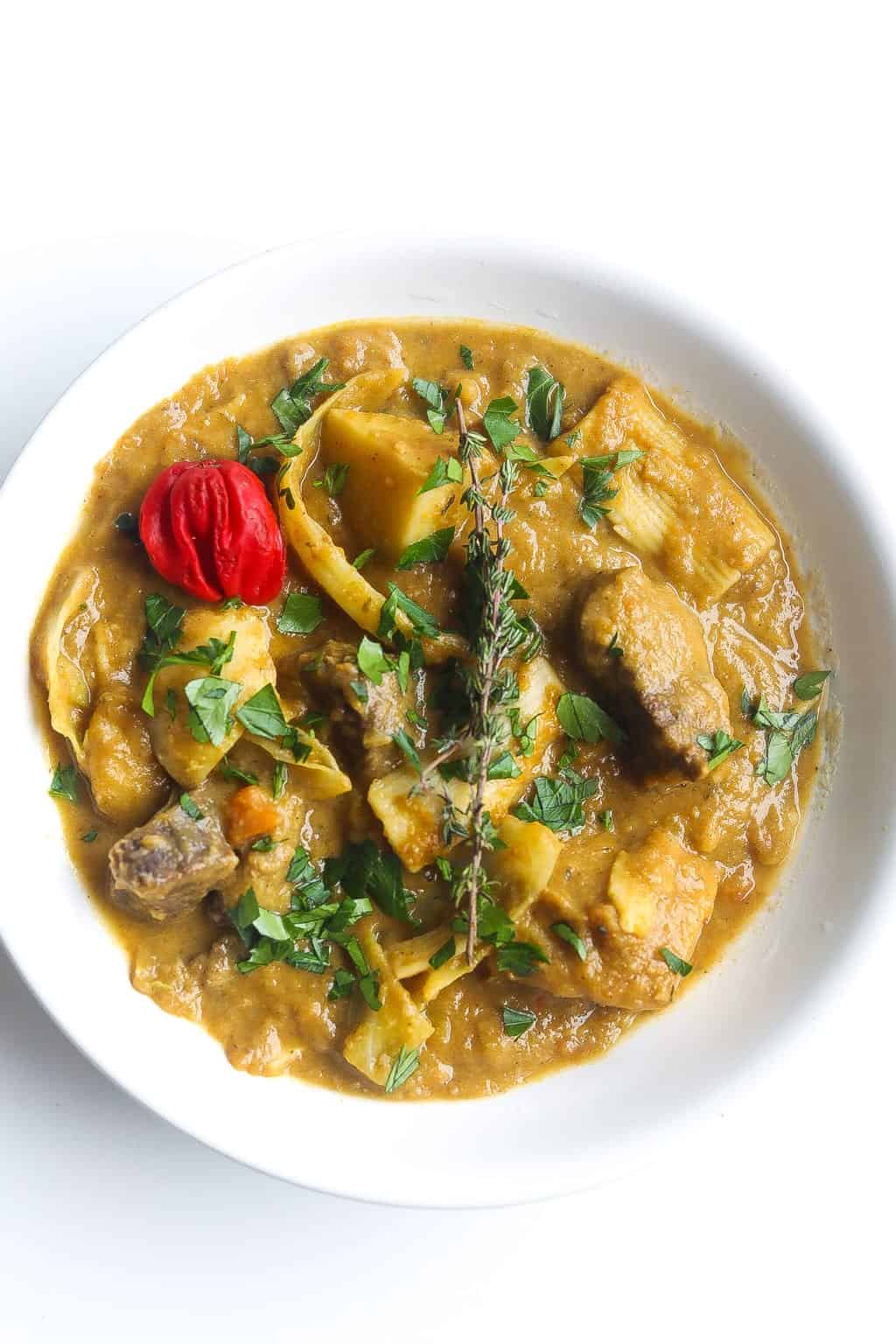
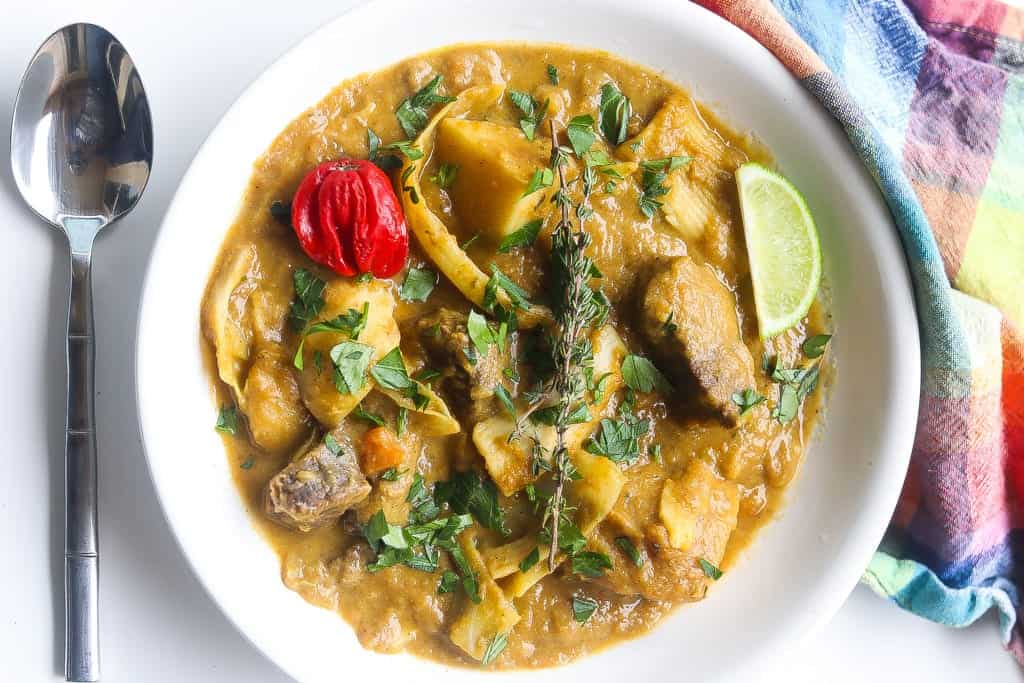
Haitian soup joumou is more than a pumpkin soup recipe. It is celebratory dish eaten in observance of Haitian Independence Day. It is a bold, soulful bowl layered with tender beef chuck, silky pumpkin broth, pasta, vegetables, and the deep aromatic punch of epis seasoning. Every spoonful feels rich and celebratory with earthy sweetness from the pumpkin balanced by savory beef and herbs that simmer low and slow (about 2 hours) into pure comfort.
If you dig this traditional Haitian soup, checkout this Guyanese heritage recipe for Pepperpot with oxtail or Caribbean oxtail stew.
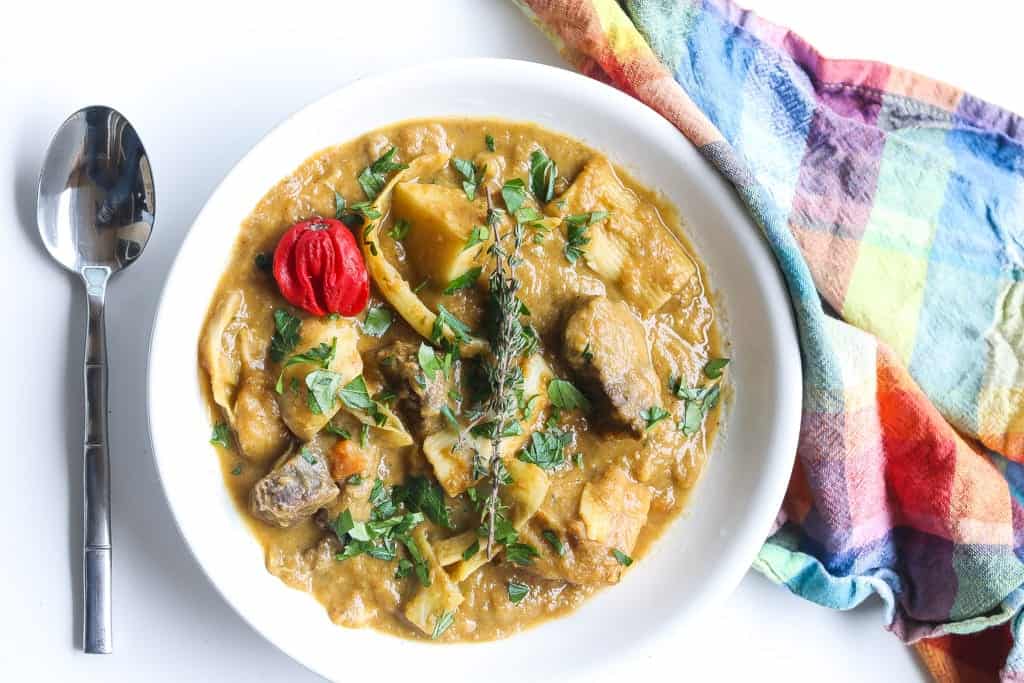
Why You’ll Love This Joumou Soup Recipe
This soup delivers serious depth of flavor while still feeling vibrant and fresh. The pumpkin gives the broth a creamy texture without needing cream, while the beef chuck breaks down into tender bites that make the soup feel hearty enough for a full meal.
You will also love how the epis seasoning (key foundational seasoning base) works overtime here. It seasons the beef, perfumes the broth, and gives the vegetables layers of garlic, herbs, peppers, and citrus flavor that keep every spoonful alive. I also work at building heat and savory spice in layers instead of relying on one aggressive seasoning dump at the end.
The rigatoni adds body and texture that makes the soup feel rustic and substantial. I tested smaller pasta shapes first, but rigatoni held up best without disappearing into the broth after reheating.
I love this dish because it cooks like a story. The broth starts humble and transforms into something luxurious through patience, technique, and seasoning. My version leans hard into flavor development with deeply browned beef, homemade epis, and enough simmer time to create a velvety texture without turning the vegetables mushy.
What Is Soup Joumou
Soup Joumou is a traditional Haitian squash-and-beef soup made with pumpkin (joumou), root vegetables, cabbage, pasta, and aromatic herbs, giving it a rich, savory, slightly sweet flavor with gentle heat and deep herbal warmth. It was once forbidden to enslaved Haitians during French colonial rule, making it a symbol of oppression. Today, it is eaten every January 1 to celebrate Haiti’s independence and represents freedom, resilience, and cultural pride for it's people.
Key Ingredients
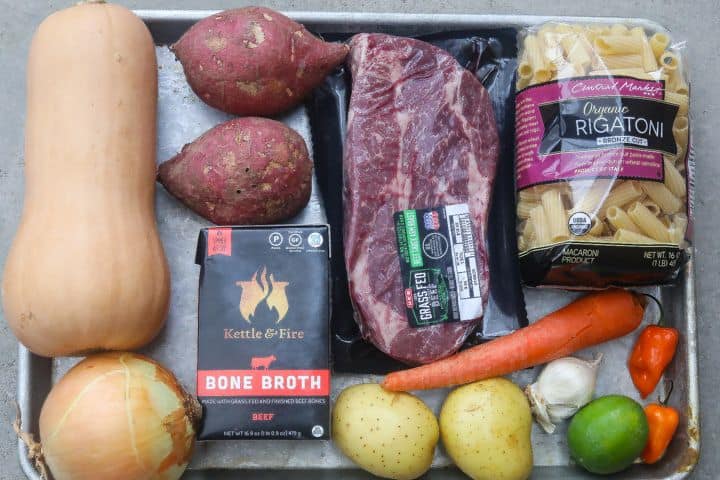
Beef chuck brings rich beefy flavor and turns buttery tender after a long simmer. I prefer chuck because the connective tissue melts into the broth and naturally thickens the soup. Short ribs work great too, but avoid lean stew meat because it dries out and lacks depth.
Epis seasoning is the heartbeat of this recipe. The blend of herbs, garlic, peppers, scallions, and citrus creates layers of flavor that feel fresh and earthy at the same time. Homemade epis is best because you can control the garlic and herb balance.
Rigatoni pasta gives the soup body and helps soak up all that flavorful broth. I tested smaller pasta varieties, but rigatoni gave the best texture and held its shape longer.
Pumpkin creates the silky foundation of the broth with natural sweetness and earthy flavor. I didn't have traditional Caribbean style pumpkin so I used butternut squash.
How To Make Haitian Soup Joumou
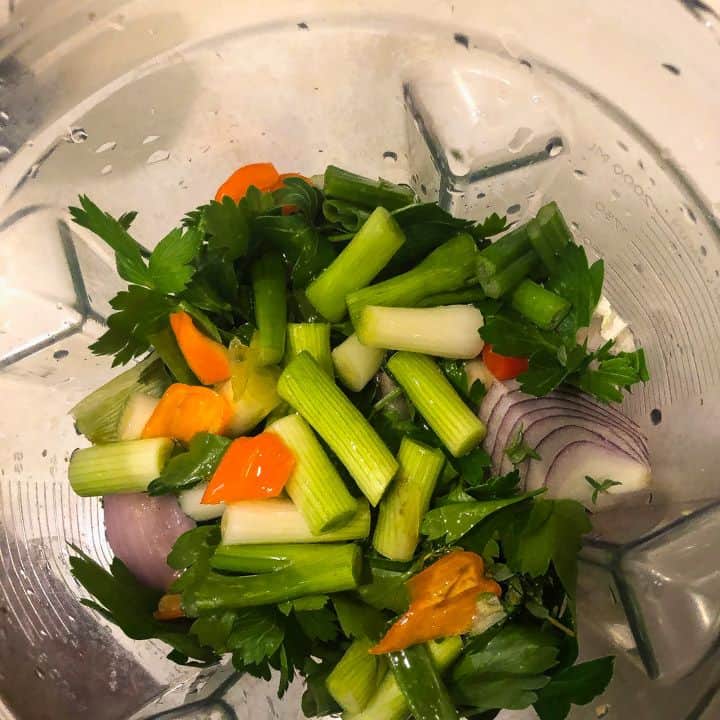
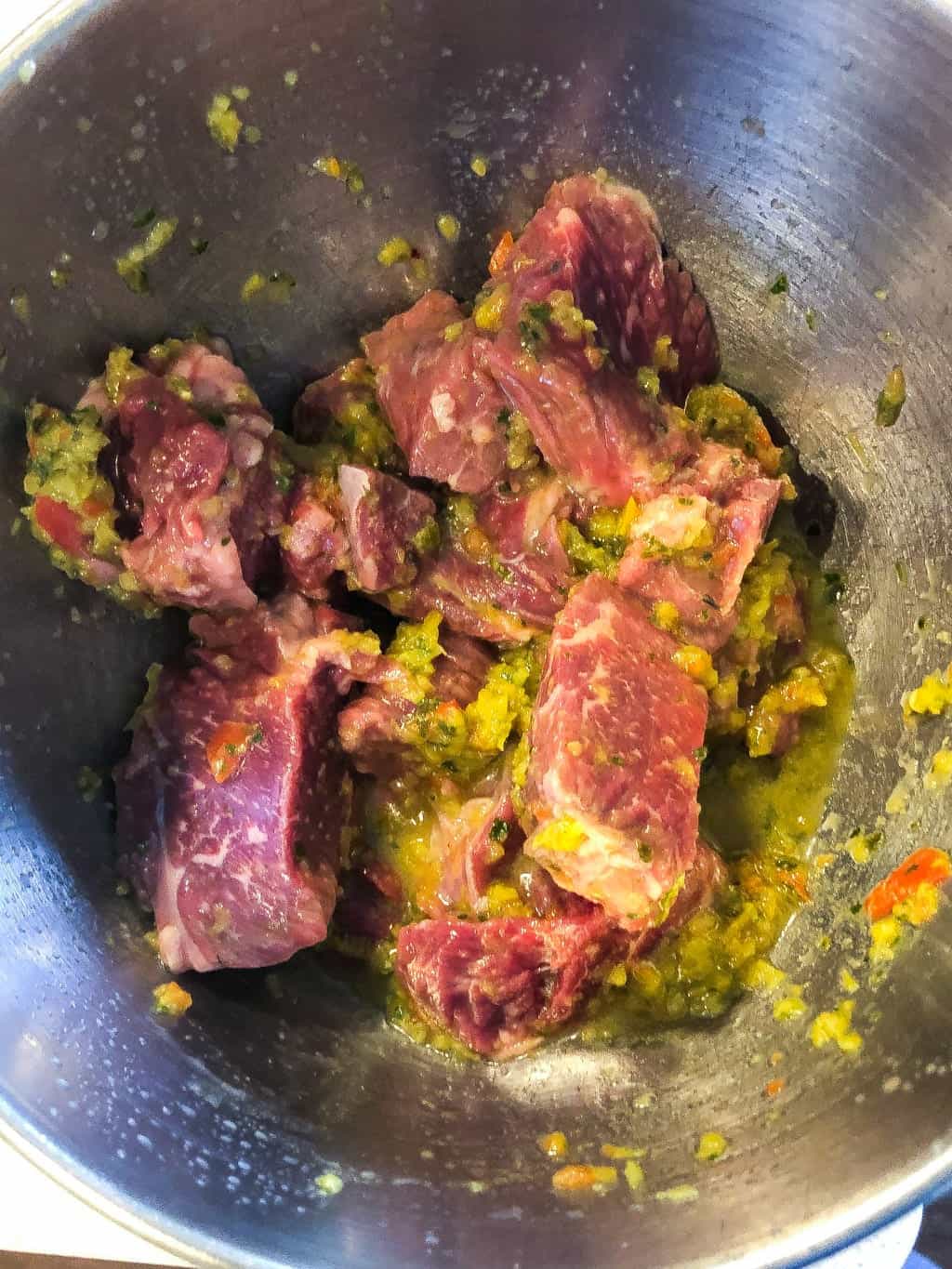
Make the epis seasoning and marinate the beef
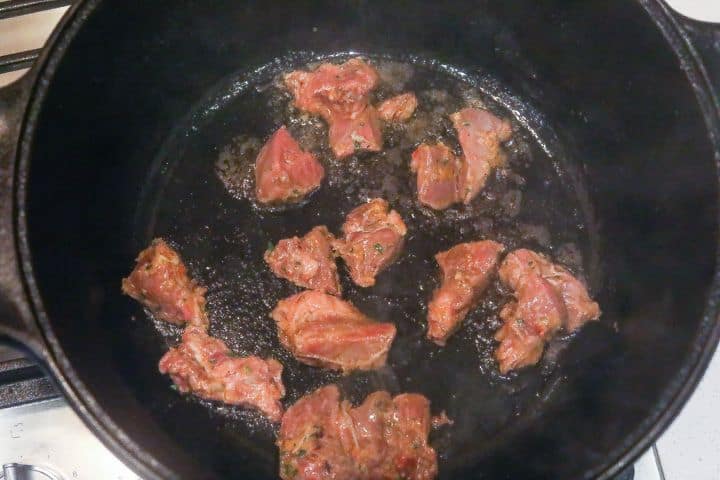
Brown the meat and set aside
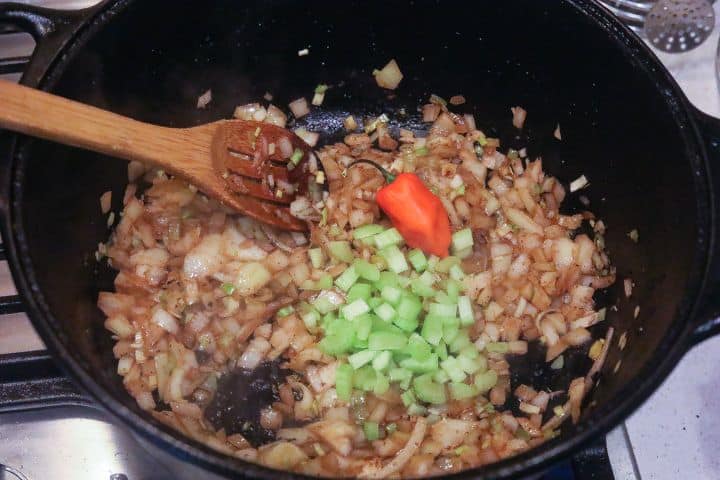
Saute the veggies and aromatics
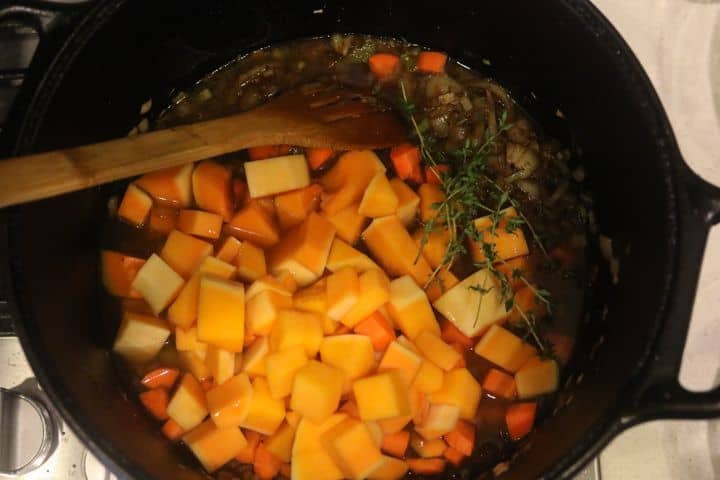
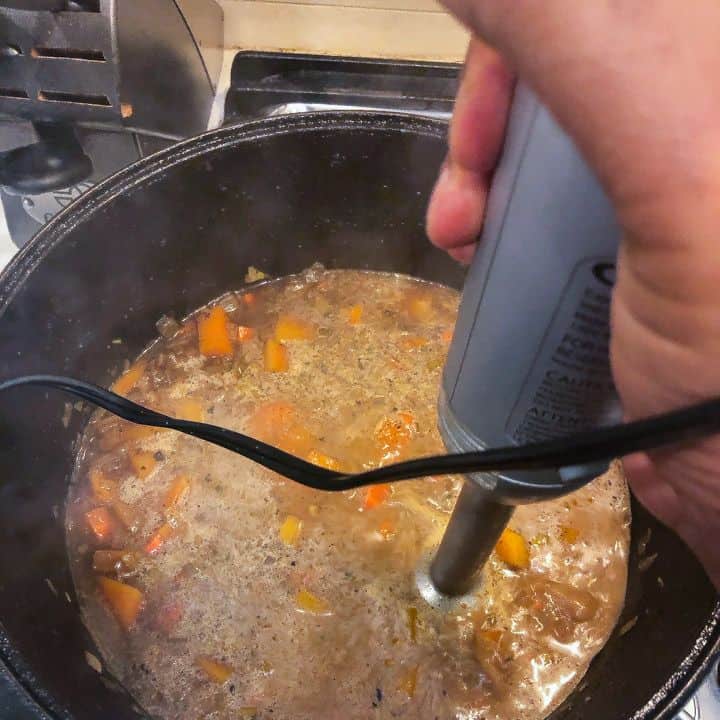
Simmer with the broth and puree
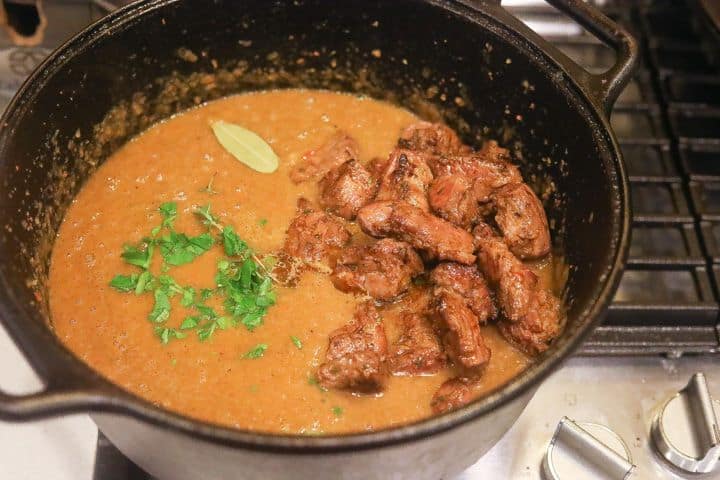
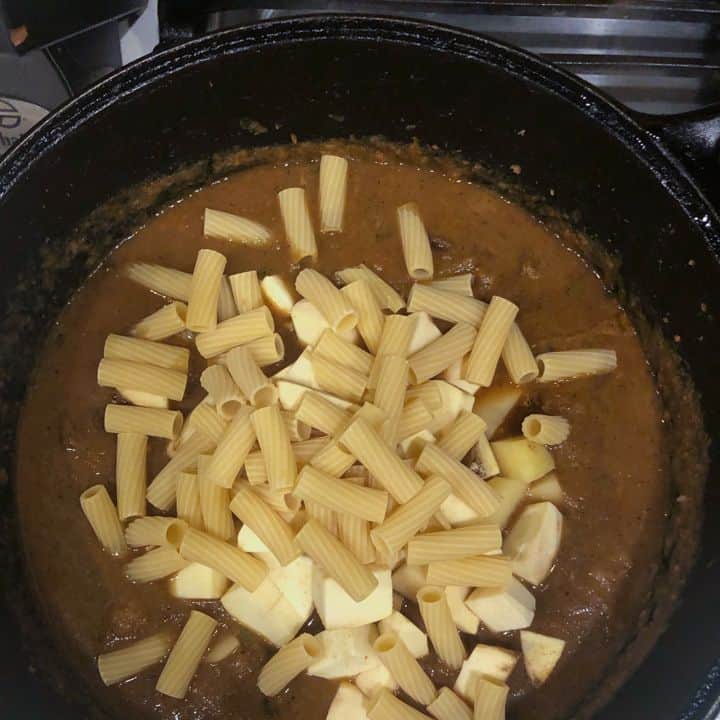
Add beef, pasta, and remaining ingredients
Serving Suggestions
Serve soup joumou with Haitian bread or crusty toasted bread for dipping into the broth. I also love pairing it with fried plantains because the sweetness works beautifully with the savory soup. Add a side of coconut rice and wash it all down with Haitian lemonade.
For a bigger spread, serve it alongside Haitian griot with some pikliz on the table.
Marwin's Test Kitchen Secrets
Brown the beef in batches. Crowding the pot steams the meat instead of creating flavor.
Blend only part of the soup. Keeping some pumpkin and vegetables chunky creates the best texture contrast.
Do not overcook the pasta. Rigatoni keeps absorbing broth even after the heat is off.
Season in layers throughout cooking. I learned during recipe testing that adding all the seasoning at the end made the broth taste flat instead of developed.
If the broth feels too thick, loosen it with beef stock instead of water to preserve flavor intensity.
Beats and Eats (music to pair with Haitian pumpkin soup)
"Tipa Tipa" by Boukman Eksperyans pairs perfectly with Haitian independance soup because both carry history, energy, and soul. The song’s driving rhythm and roots influence mirror the layered flavors in the soup where heritage, resilience, and comfort all meet in one powerful bowl.
Keep up with my food exploits on Instagram and YouTube. If you like any of the music you find on the site, visit me at Spotify to find curated playlists.
Haitian Soup Joumou
Ingredients
- 1 ½ pounds beef chuck cut into ½-inch pieces
- 2 tablespoon olive oil
- 1 large yellow onion finely chopped
- 1 cup leeks (whites only) finely chopped
- 1 large scallion diced
- 4 garlic cloves crushed
- 1 celery stalk finely chopped
- 2 sprigs fresh thyme washed and tied with twine
- 1 small bunch flat-leaf parsley washed and tied with twine
- 3 cups butternut squash peeled, seeded and cut into 1-inch pieces
- 2 medium carrots cut into small pieces
- 5 cups low-sodium beef broth vegetable or chicken stock can be substituted
- 1 Scotch bonnet pepper whole with small slits along each side
- ½ tablespoon smoked sweet paprika
- 1 teaspoon ground cloves
- 1 teaspoon nutmeg
- ½ tablespoon salt
- 1 teaspoon black pepper
- 2 bay leaves
- 1 cup epis seasoning
- 2 medium potatoes peeled and cut into ½-inch pieces
- 2 small malanga root peeled and cut into ½ inch pieces
- 1 small green cabbage thinly sliced
- 1 cup rigatoni pasta
- 1 medium lime juiced
- Salt and pepper to taste
Method
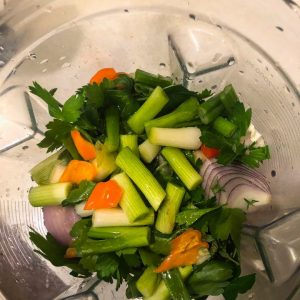
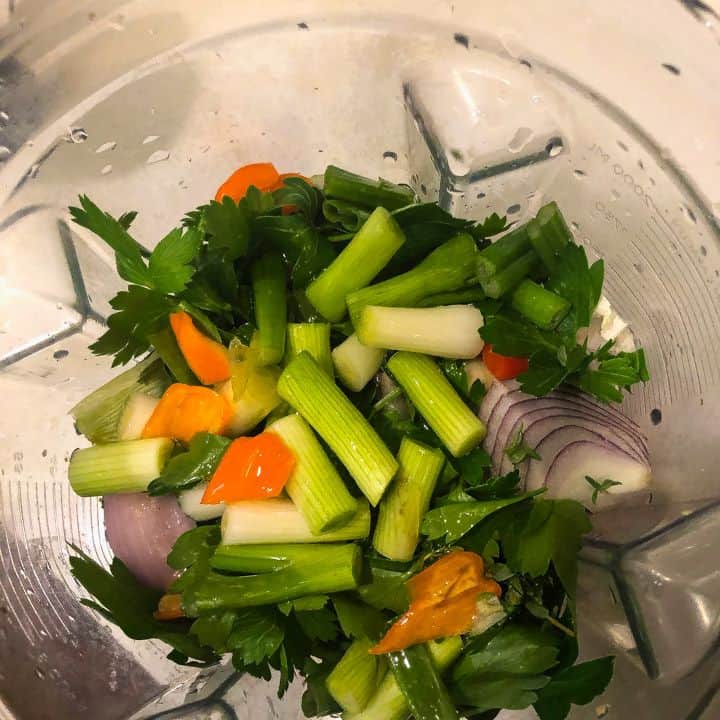
- Make the epis by pureeing all the ingredients until smooth

- Wash beef with water and then rub with lime juice and set aside in a large bowl.
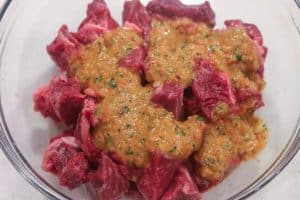
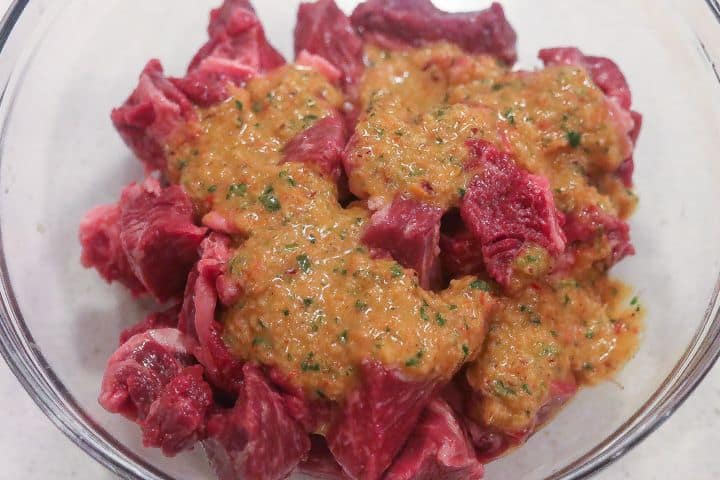
- Add ½ cup of epis to the bowl and marinate the meat in the refrigerator and overnight or for at least 1 hour.

- Remove meat from refrigerator and let come to room temperature
- In a large pot, heat oil on high heat until just beginning to smoke. Add the meat and brown thoroughly on all sides, approximately 5-10 minutes.
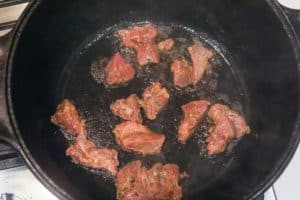
- Remove the meat from the pot, and set aside. Leave the oil in the pot.
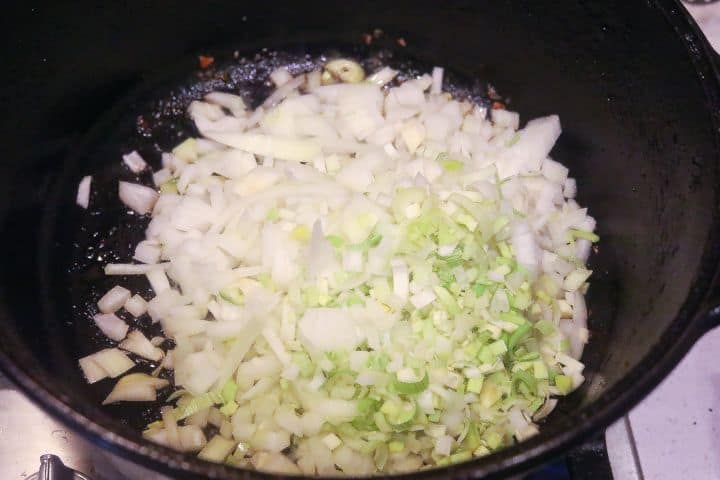
- Add the onions, leeks and scallions to the pot. Cook on medium high heat 5-10 minutes until they are translucent reaching a golden brown.
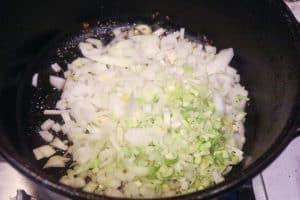
- Add the garlic, scotch bonnet pepper, celery, remaining epis, and half the spices and cook, stirring frequently, for about a minute more.
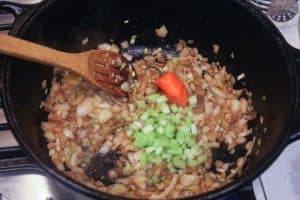
- Add the thyme, squash, carrots and broth. Bring to a boil, then reduce to a simmer and cover. Allow to cook until squash and carrots are fork tender around 30-40 minutes
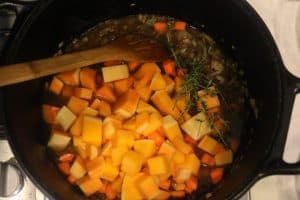
- Turn off the heat, remove the thyme and pepper, and puree the soup using a hand mixer until it is a smooth texture. If you prefer a thinner consistency add more broth or water. If you don't have a hand mixer use a blender or food processor.

- Add the thyme back to the soup and add the beef, bay leaves, parsley, and remaining spices.

- Bring the soup to a simmer on medium-low heat covered and cook for an additional 45 minutes
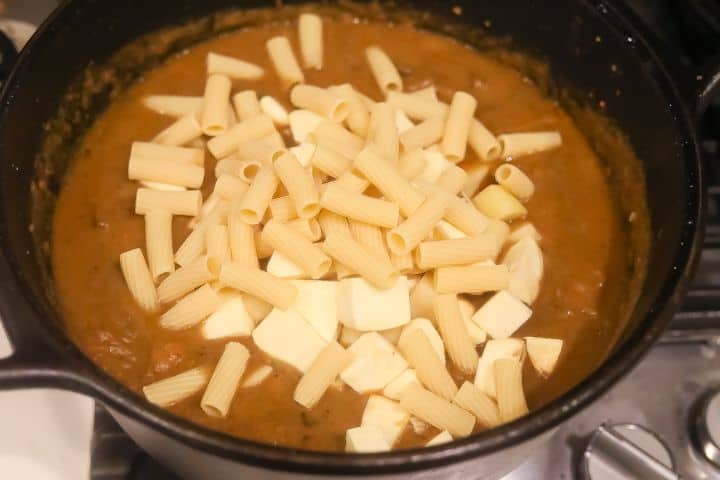
- Add the pasta, potatoes and malanga root and continue to simmer for 15 minutes, or until the potatoes and malanga are cooked through.
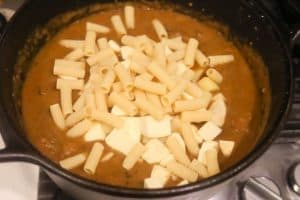
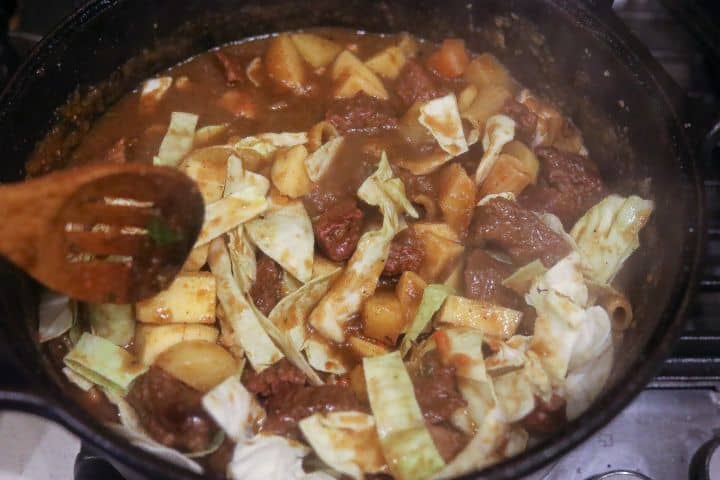
- Add cabbage and cook for an additional 5 minutes.
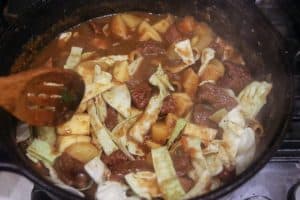
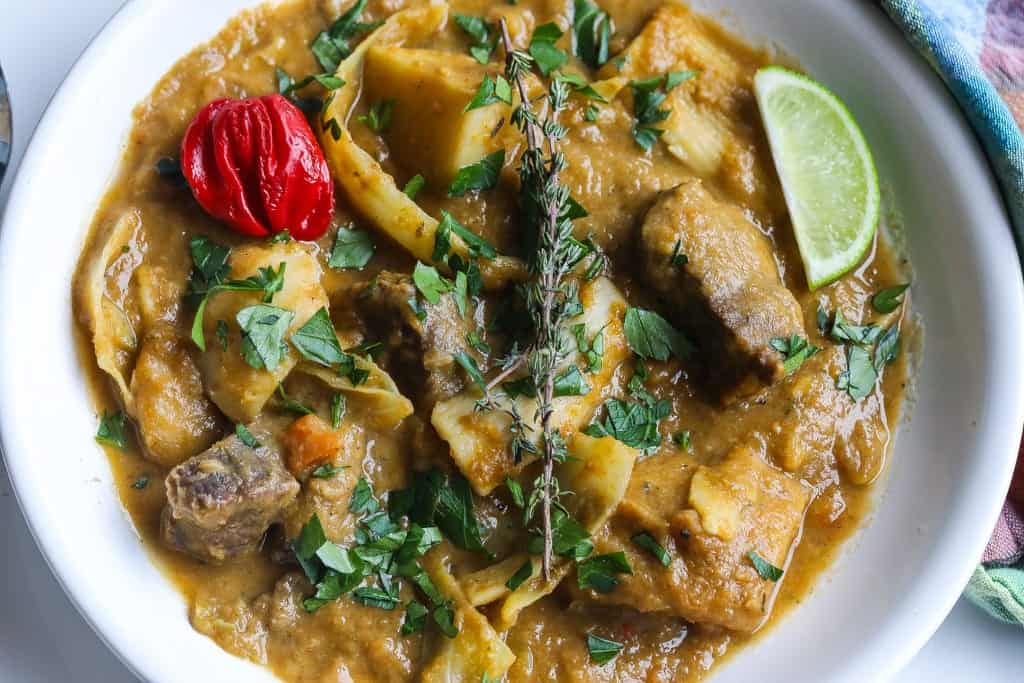
- Remove the herbs and discard. Add seasoning as needed and serve with fresh lime juice and chopped parsley.

Nutrition
Notes
- Turnips, rutabagas are good substitutes for malanga root.
- I used butternut squash in place of pumpkin as I didn't find pumpkin to my liking.
- Feel free to add another ½ cup of the epis to the soup right after pureeing.
- Cutting beef into chunks is easier if the meat is partially frozen. Aldo dry the beef with paper towels for easier handling.
- Marinate the beef in Haitian epis marinade.
- Cut small slits into the scotch bonnets to leverage their fragrance while keeping that crazy heat level in check.
- Puree the squash and carrots for optimal consistency, color, and balanced flavor
- Use local, fresh ingredients. If you don't have pumpkin around, forget using the canned stuff and just use your favorite winter squash that's available.
- For thinner consistency add vegetable stock or water
- Add a dose of lime juice just before serving.
- Keep your favorite bread on hand for steady soppin
- For a vegan version just eliminate the beef and pasta. There are more than enough vegetables present for this dish to remain filling.
- Don't forget about the scotch bonnet simmering in your pot. You leave it simmering too long, it will break down, releasing those fiery seeds into your soup.
- With the mixture of herbs, peppers, meat, and multiple vegetables, you don't have to get crazy with the spices. Spices will play the role of unifying the variety of flavors.
Private Notes
Tried this recipe?
Let us know how it was!
Thanks for the response. I'm familiar with both and have used them both in this recipe depending on which I could find at the time. As you can imagine Caribbean tubers or root vegetables aren't always easy to find in Texas. Either way I will update the notes. Thanks again.
Yes, I agree totally. Hard to find Calabaza here locally or even actual pumpkin after November so making do with what's available. Thanks for the comment!
Hi Marina,
The recipe is meant to give you some flexibility. To answer your question specifically I use small-medium sized butternut squash when I make the dish and use the entire things, then I adjust for consistency as needed later. I personally only include the 1-inch cubes/cup in the directions to emphasize the need for more evenly cut pieces of squash which ensures more uniform cooking.
Great catch. Thanks! The remaining epis should be added during cooking. I've updated the recipe to show specifically when.
Enjoy!
Thank you! I'm glad you liked the recipe. It took me several tries before I landed here.
Thanks for the feedback. I'm glad you and your husband enjoyed the dish! I hope to visit Haiti at some point to see and experience all the stuff my Haitian friends talk so passionately about.