
This post may contain affiliate links via Amazon's affiliate advertising program. See privacy policy
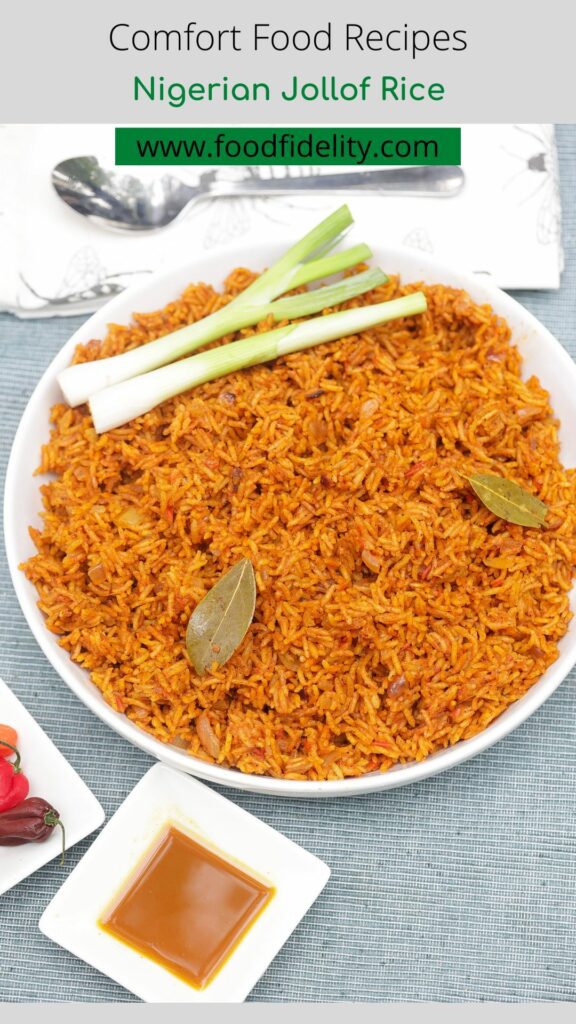
Fluffy Nigerian Jollof Rice with Smoky Depth, Fiery Heat, and Rich Tomato Flavor
Discover the flavors of West Africa with our mouthwatering jollof rice recipe. Thanks to the African diaspora, jollof is the founding father to red rice dishes and one pot rice recipes that rely on rice absorbing a flavorful base across the globe.
Yoooo listen up my fellow flavor lovers! Your guy, Marwin the flavorphile is droppin’ heat in the pot with this Nigerian Jollof Rice, a dish so bold and rhythmic it “Bridge Is Over”s bland rice dishes like KRS-One wreckin’ the mic.
We talkin’ grains that stay separate, fluffy, and coated in a fire-red sauce built from tomato paste, fresh ginger, garlic, curry powder, and a habanero that hits like a Bronx battle verse.
Palm oil lays the foundation, giving you that deep, smoky earthiness, while low-and-slow stovetop cooking lets the flavors mingle and develop into something worthy of a head-nod and a second helping.
If you like bold, interesting flavored rice dishes checkout jollof's descendant recipes like Gullah red rice or that Louisiana classic chicken and sausage jambalaya.
What You’ll Love About This Recipe
- Bold, smoky tomato flavor that sticks to the rice like a classic hook
- Balanced heat from habanero without overwhelming the dish
- Aromatic spices that echo Nigerian street kitchens and home cooking
- One-pot simplicity for maximum flavor, minimal cleanup
- Vibrant color and aroma that impress without stress
What Is Jollof Rice
At its core, Jollof is about rice cooked in a seasoned tomato base, a blend of tomatoes, peppers, onions, and spices simmered into something deep, rich, and layered.
From Western Africa, the dish traveled primarily via the forced movement of enslaved Africans to the Caribbean and Americas.
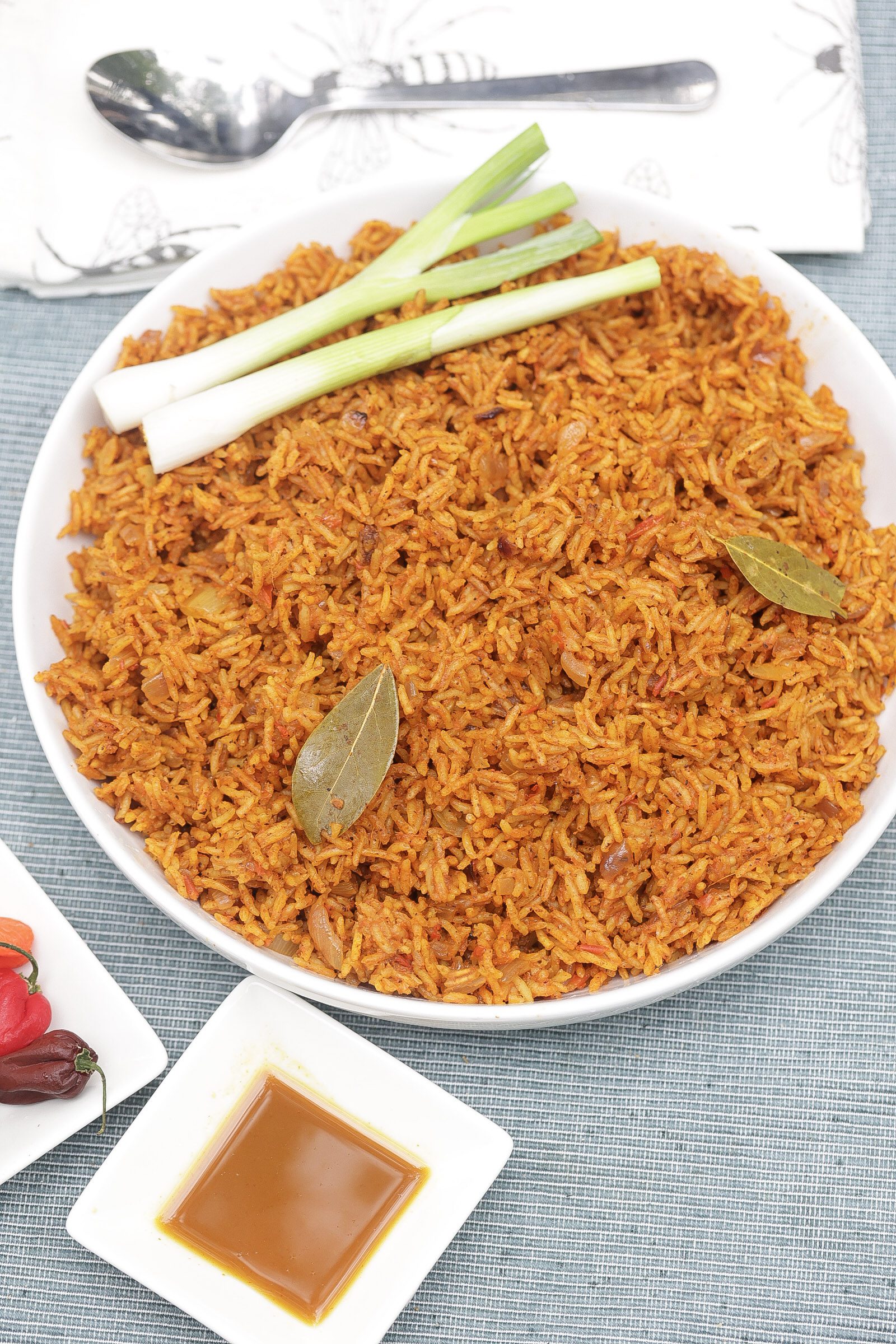
Key Ingredients & Their Flavor Role
- Basmati rice – Long-grain and fragrant, keeps grains separate and light
- Tomato paste & diced tomatoes – Rich body and tangy depth; the flavor backbone
- Habanero – Heat and punch, gives that signature West African kick
- Ginger – Zesty warmth that brightens the tomato base
- Curry powder – Earthy, aromatic undertone, ties the spices together
- Onion & garlic (optional) – Build foundational sweetness and savoriness
How to Make Jollof Rice
- Sauté onions, garlic, and ginger until fragrant
- Make tomato puree and cook until thickened and aromatic
- Stir in washed basmati rice, coating each grain in the sauce
- Add water or stock, bring to a simmer, then cover and cook until rice absorbs liquid
- Let rest for 5–10 minutes, fluff, and serve
Substitutions & Variations
No basmati rice?
Use long-grain jasmine rice. It delivers a similar fluffy texture, though slightly more aromatic. This swap reflects regional rice variations across West Africa.
Beats and Eats (music to pair with jollof rice)
BDP’s “The Bridge Is Over” pairs perfectly with Nigerian jollof rice because both come in unapologetically bold, layered, and full of fire. The track hits with sharp, confident energy—no filler, no fluff—just like jollof rice’s deep tomato base, aromatic ginger, garlic, and that unmistakable kick from habanero.
KRS-One’s delivery is crisp and deliberate, echoing the way every grain of jollof rice stays separate, distinct, and seasoned to the core.
Marwin's Test Kitchen Secrets
Well-cooked jollof rice avoids the scenario of clumpy, soggy rice—use long-grain rice (parboiled if available) for the best structure and flavor absorption - most importantly cooked grains remain separate.
I'm big partial to basmati rice. Rinse your rice well, toast it briefly in the sauce, and keep the heat low with tight foil under the lid to steam, not stew.
Can't find palm oil? A mix of neutral oil and smoked paprika brings that same depth.
What To Serve With Jollof
Serve with fried sweet plantains, well seasoned grilled chicken thighs, easy seared duck breast, or spicy grilled beef suya skewers for a full-on West African flavor set that’ll shut down any dinner debate.
Inspired to cook/eat more rice, try one of these unique side dish rice recipes.
FAQs - Jollof Rice
Can I make it ahead?
Yes, but the rice is best fresh. Reheat gently with a splash of water to retain moisture.
Is it spicy?
It has a kick from the habanero, but heat can be adjusted or balanced with tomatoes and stock.
The Diaspora Remix: Jollof’s Global Influence
Caribbean Rice Dishes
When West Africans were brought to the Caribbean, they brought their foodways with them. The result - dishes that echo Jollof’s structure but adapt to new ingredients and realities.
- Rice and peas (Jamaica): Coconut milk replaces tomato as the base, but the one-pot seasoned rice technique remains.
- Pelau (Trinidad and Tobago): Caramelized sugar, meat, and rice cooked together is still that layered, one-pot flavor logic.
- Diri kole ak pwa (Haiti): Rice cooked with beans and aromatics (less tomato), but same principle of infused grains.
The throughline: rice absorbing deeply seasoned liquid in a single pot.
Southern U.S. Rice Traditions
In the American South, especially in regions influenced by the Gullah Geechee culture, you see even clearer connections.
- Charleston red rice: Tomato-based rice cooked with pork or sausage.
- Jambalaya: A Creole/Cajun evolution; rice cooked in a spiced base with meats and seafood.
- Hoppin' John: Rice and legumes cooked together, rooted in West African traditions.
These dishes exist because enslaved Africans brought rice cultivation knowledge and cooking techniques with them. South Carolina’s rice economy was built on that expertise.
Latin American Parallels
Across Latin America, you’ll find rice dishes that feel like cousins in the same family.
- Arroz rojo (Mexico): Rice cooked in a tomato broth with garlic and onions; very Jollof-coded.
- Arroz con pollo (Puerto Rico, D.R., Peru, etc.): One-pot rice with protein and aromatics.
- Congrí (Cuba): Rice cooked with beans and spices, similar to diaspora dishes.
- Baião (Brazil): similar to Hoppin John but with chunks of pork added
Why This Matters (Beyond the Plate)
Jollof rice isn’t just a dish, it’s a marker of identity, resilience, and cultural continuity.
- It tells the story of West African culinary sophistication
- It reflects the diaspora’s ability to adapt without losing essence
- It connects kitchens from Lagos to Kingston to Charleston to Houston
Final Word: One Grain, Many Stories
Think of Jollof rice like a foundational beat; something like a classic break in hip-hop. Once it dropped, everybody started sampling it, flipping it, making it their own. Different tempos, different instruments, but the rhythm... Still there.
From smoky party Jollof to Creole jambalaya to Trinidadian pelau, these dishes aren’t random, they’re connected. Same roots. Same soul. Just different expressions of flavor.
Keep up with my food exploits on Instagram and YouTube. If you like any of the music you find on the site, visit me at Spotify to find curated playlists.
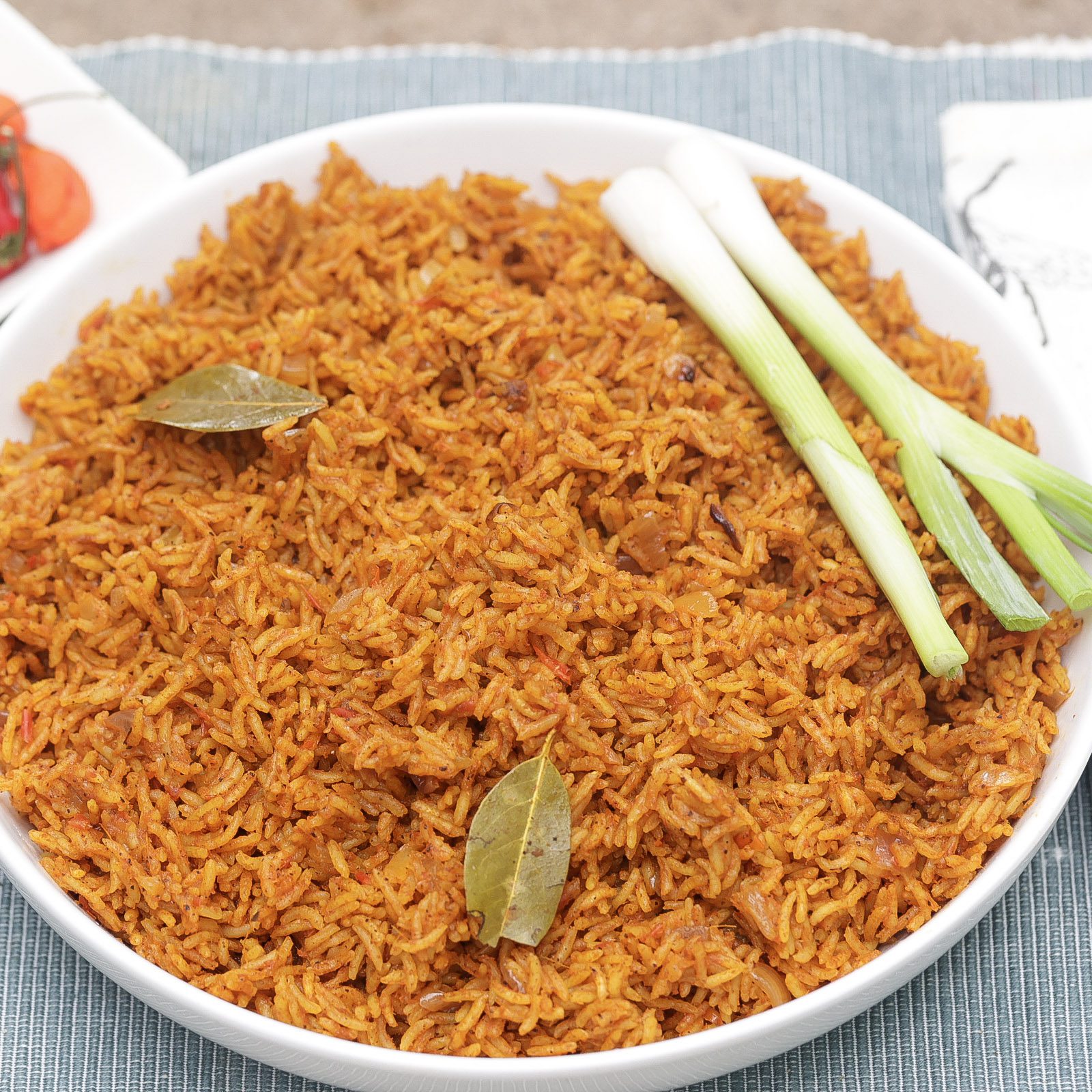
Jollof Rice
Ingredients
- 2 cups Tomato Puree
- 2 cups basmati rice rinsed and drained
- ¼ cup palm oil or olive oil
- ½ yellow onion chopped
- 1 medium red bell pepper
- 1 tablespoon curry powder
- ½ tablespoon smoked sweet paprika
- 1 teaspoon kosher salt
- 1 teaspoon black pepper
- 1 bay leaf
- 1 teaspoon dried thyme
- 1 tablespoon palm oil or olive oil
- ½ yellow onion chopped
- 3 cloves garlic chopped
- 2 teaspoon fresh ginger chopped
- 2 habanero chilis seeded and chopped
- 6 oz can of tomato paste
- 12 oz canned diced tomatoes
- 1 teaspoon curry powder
- 1 teaspoon smoked paprika
- 1 teaspoon salt
Method
- Mix all the dry spices together in a small bowl.
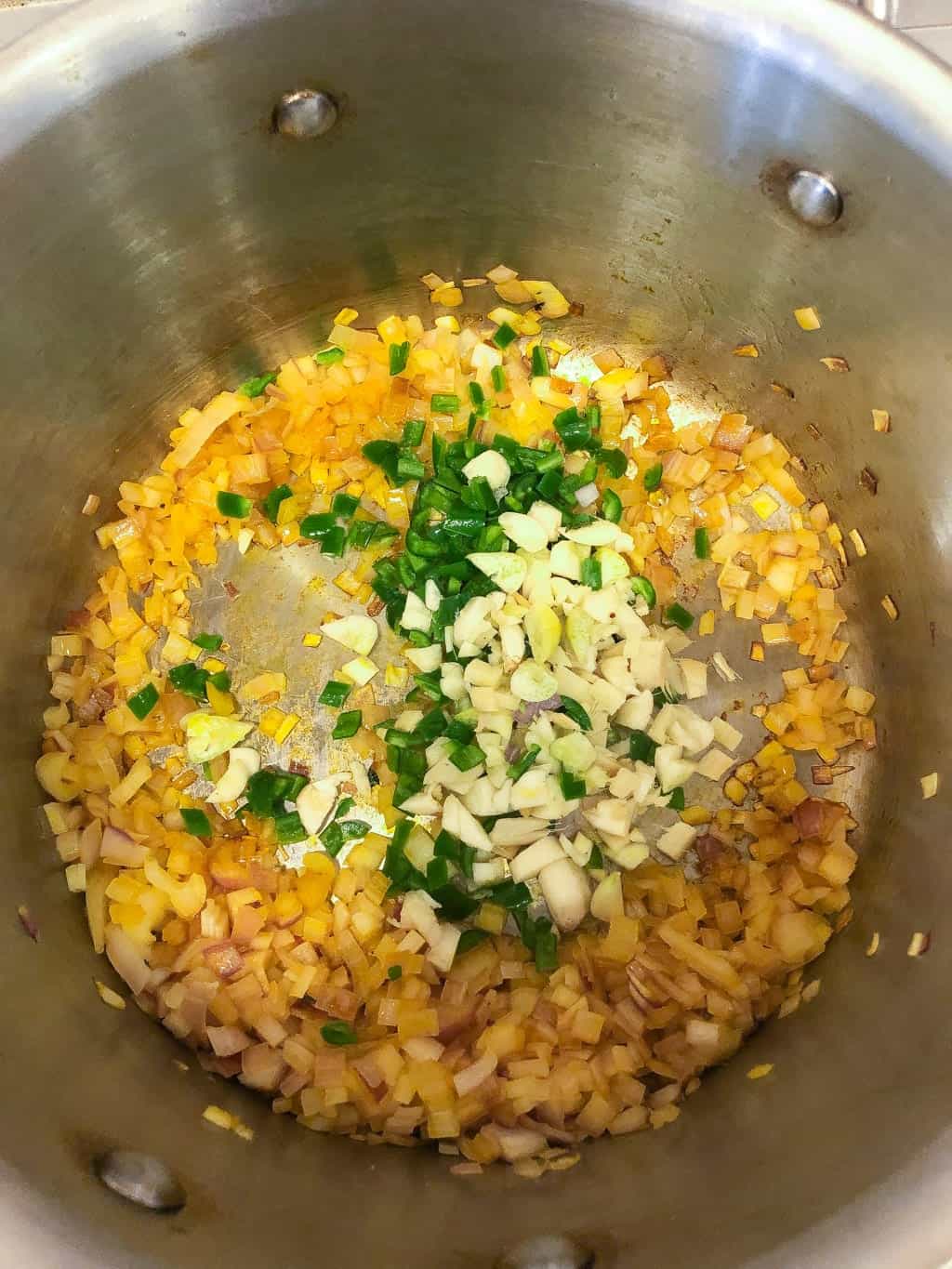
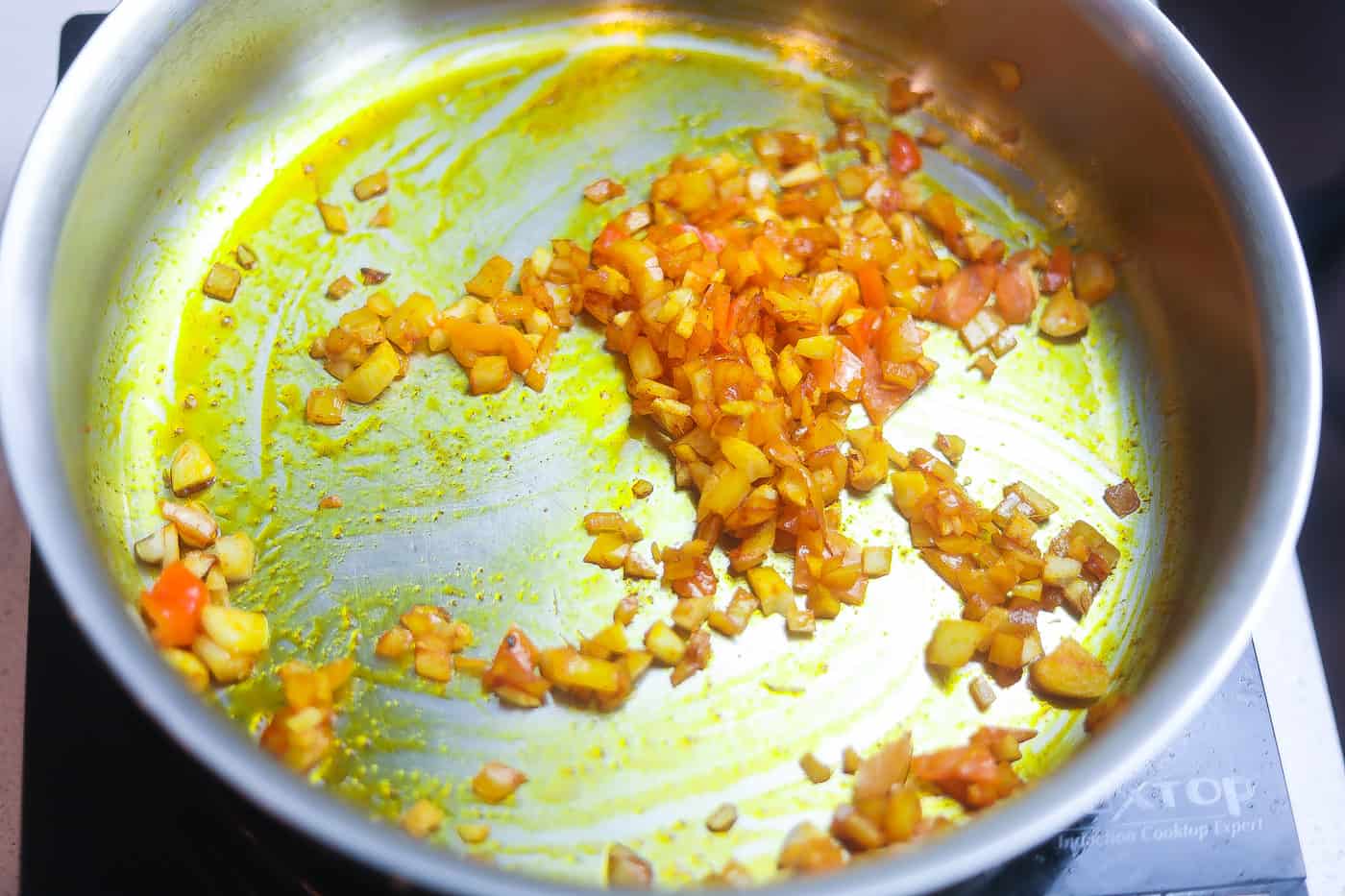
- In a large skillet heat the oil over medium heat. Add the onions and season with salt and other spices. Cook until onions become translucent, 3-5 minutes
- Add garlic, ginger, bell peppers, chilis plus a teaspoon of the spice mix and cook for another 2-3 minutes.
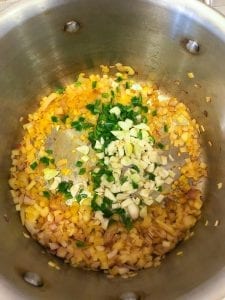

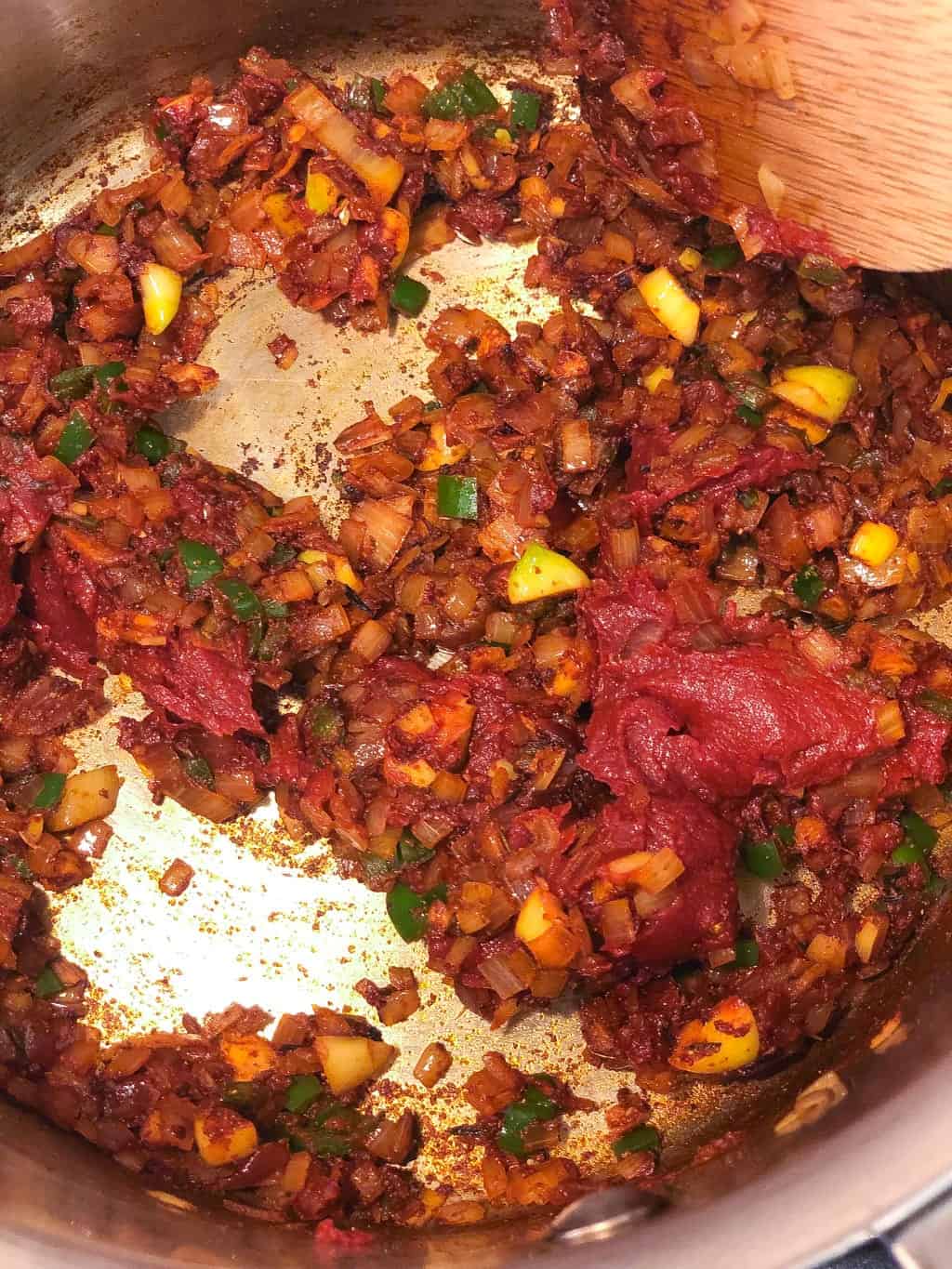
- You should have a nice aroma now and can add the tomato paste, cooking for another 6-8 minutes. Note: Stir well to ensure paste is incorporated well with the vegetables and cooks evenly.
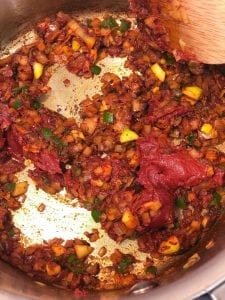
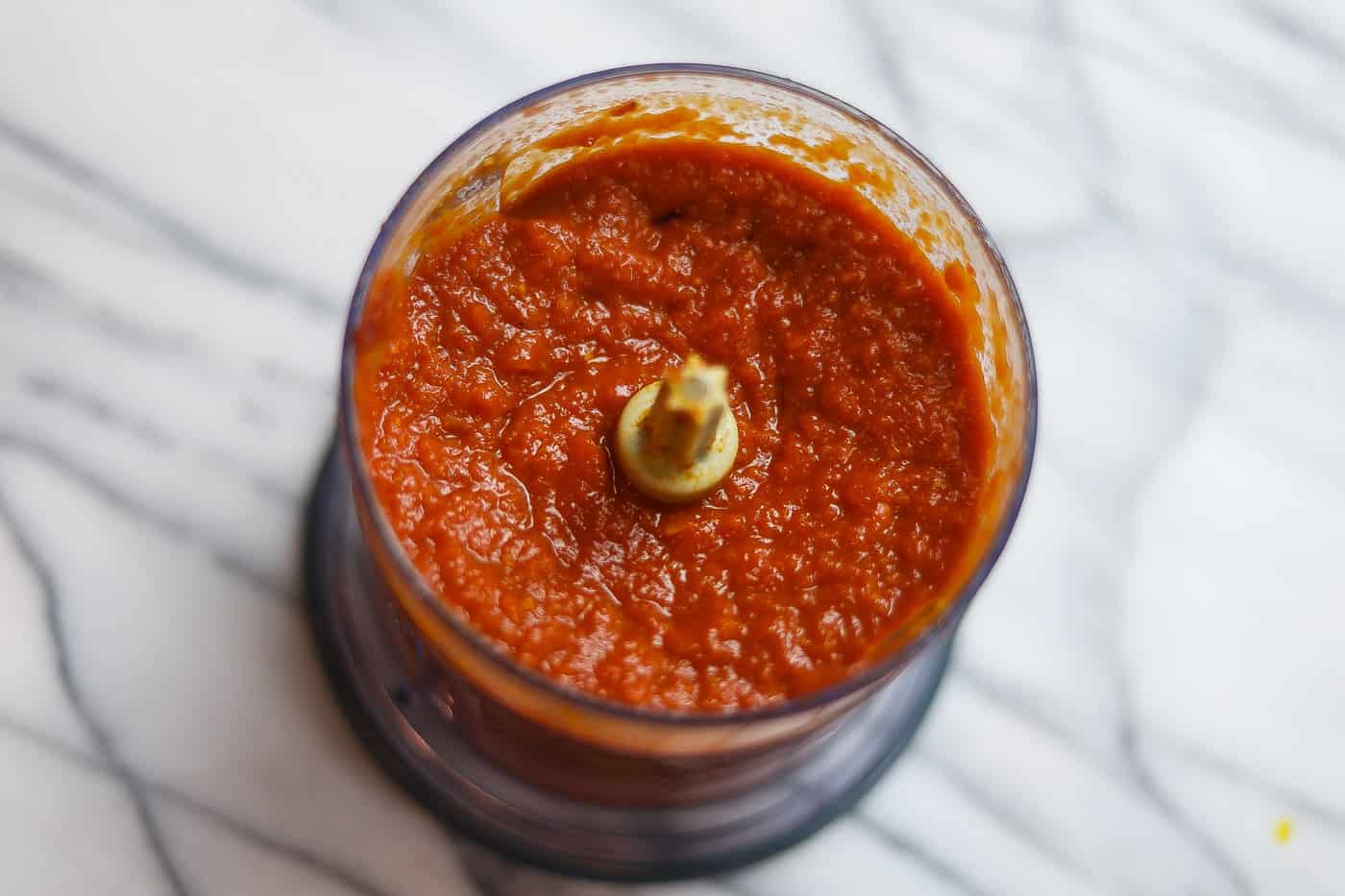
- Transfer all ingredients to blender or food processor and add the diced tomatoes plus ⅓ cup water. Process until smooth.
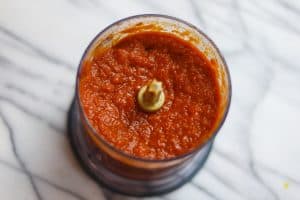

- Heat skillet over medium heat. Add a tablespoon olive oil and cook the puree 5-6 minutes to reduce slightly.
- Preheat oven to 375 degrees F.
- In a large skillet over medium, heat the oil until shimmering. Add the red onion and cook, stirring, until beginning to brown, 6 to 8 minutes.
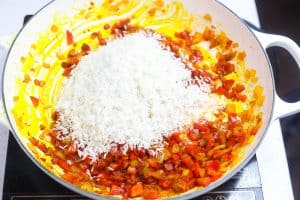
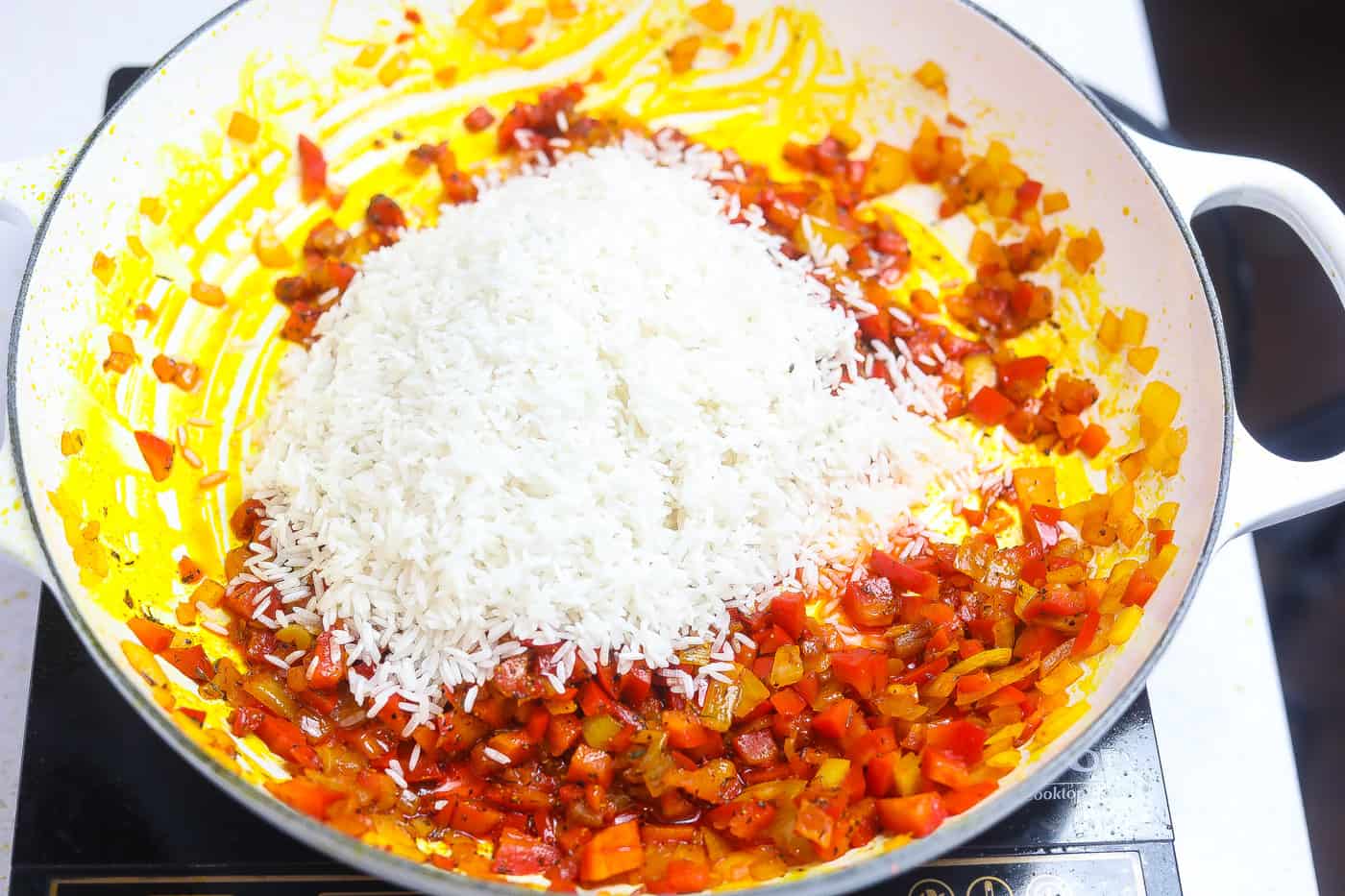
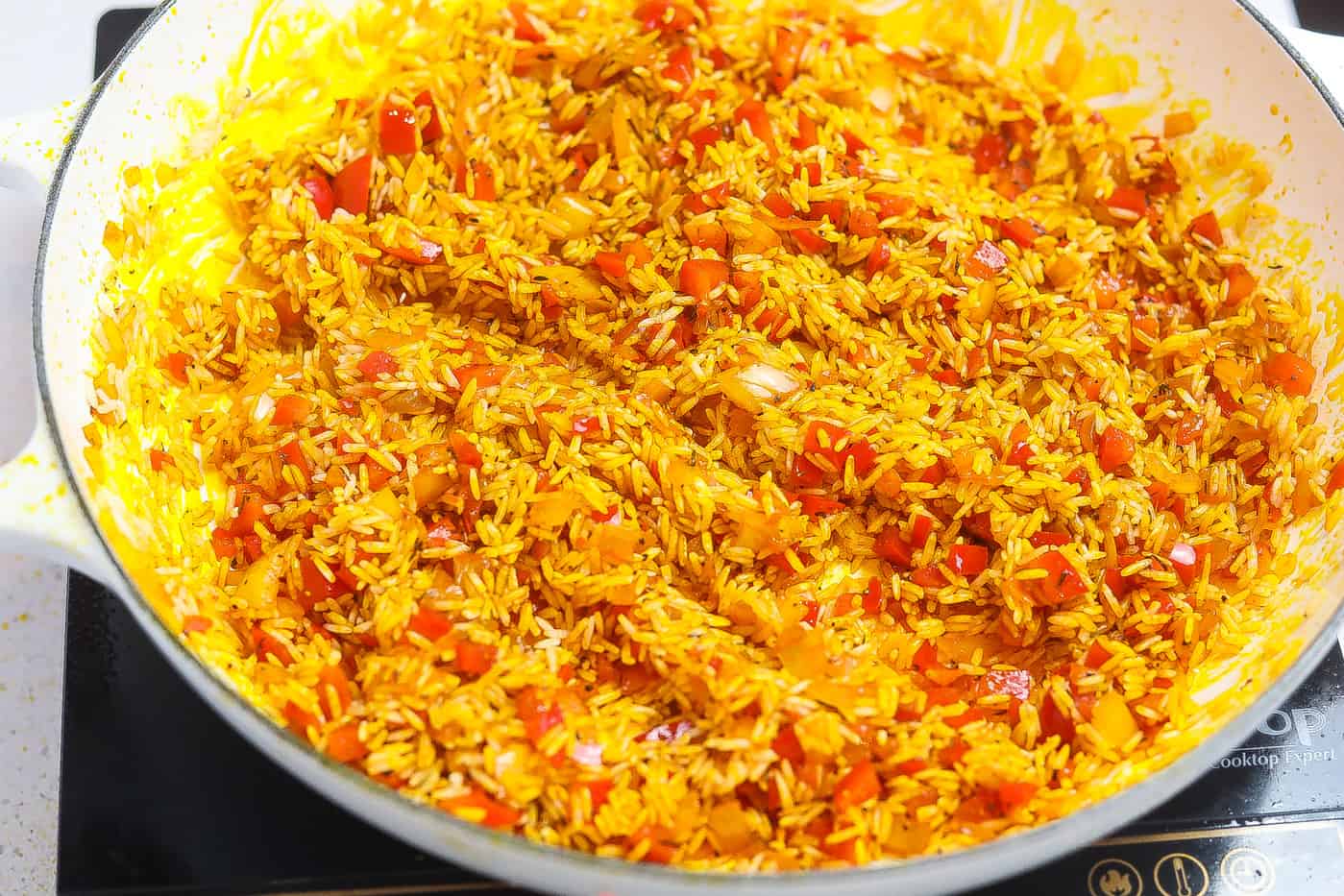
- Stir in the rice plus a tablespoon of the spice mix. Cook, stirring, until the rice is fragrant, 1 to 2 minutes.
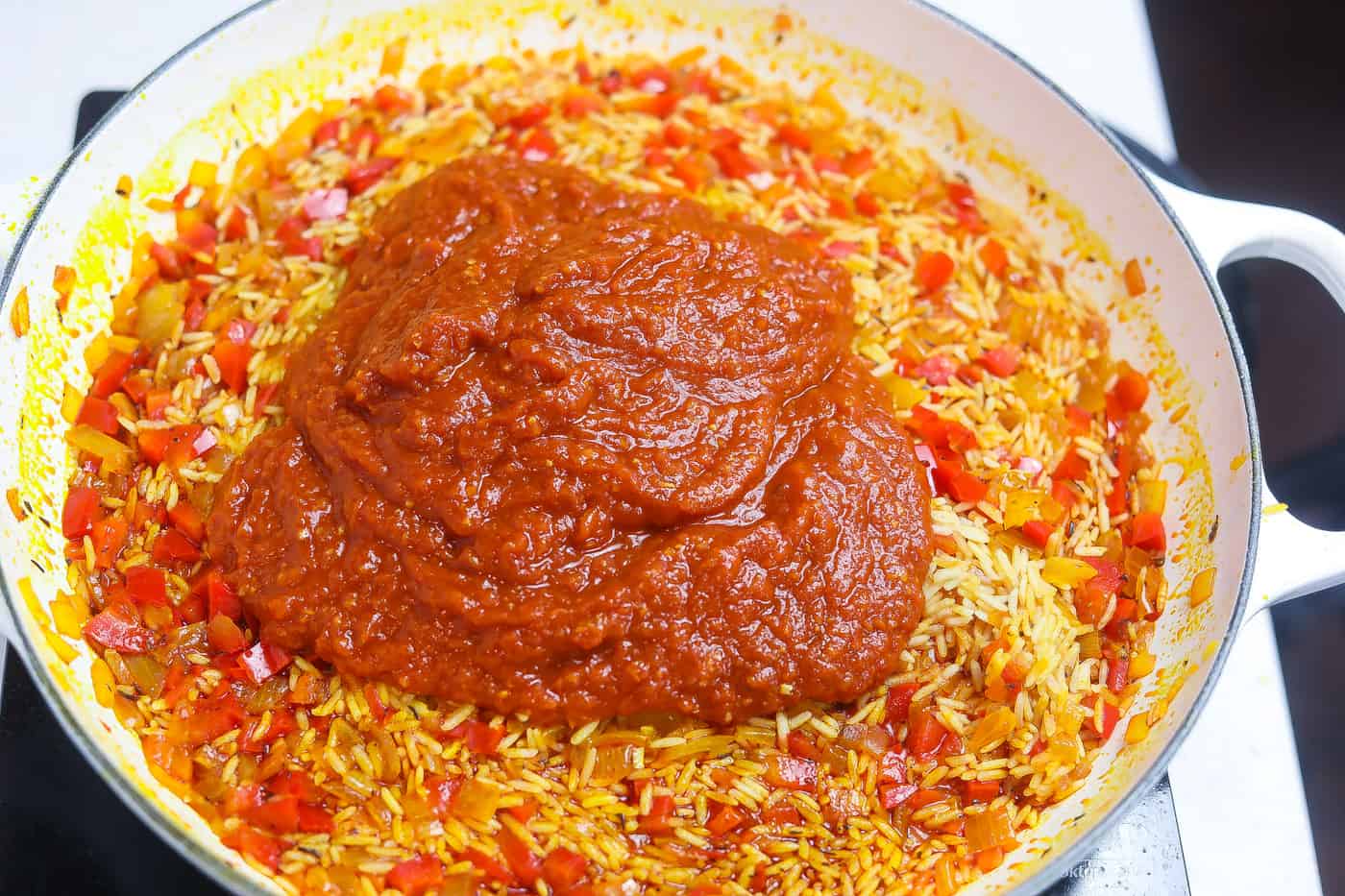
- Stir in the tomato puree and return to a simmer.
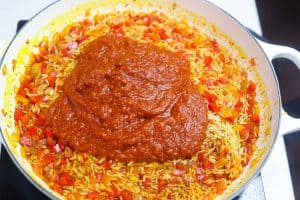
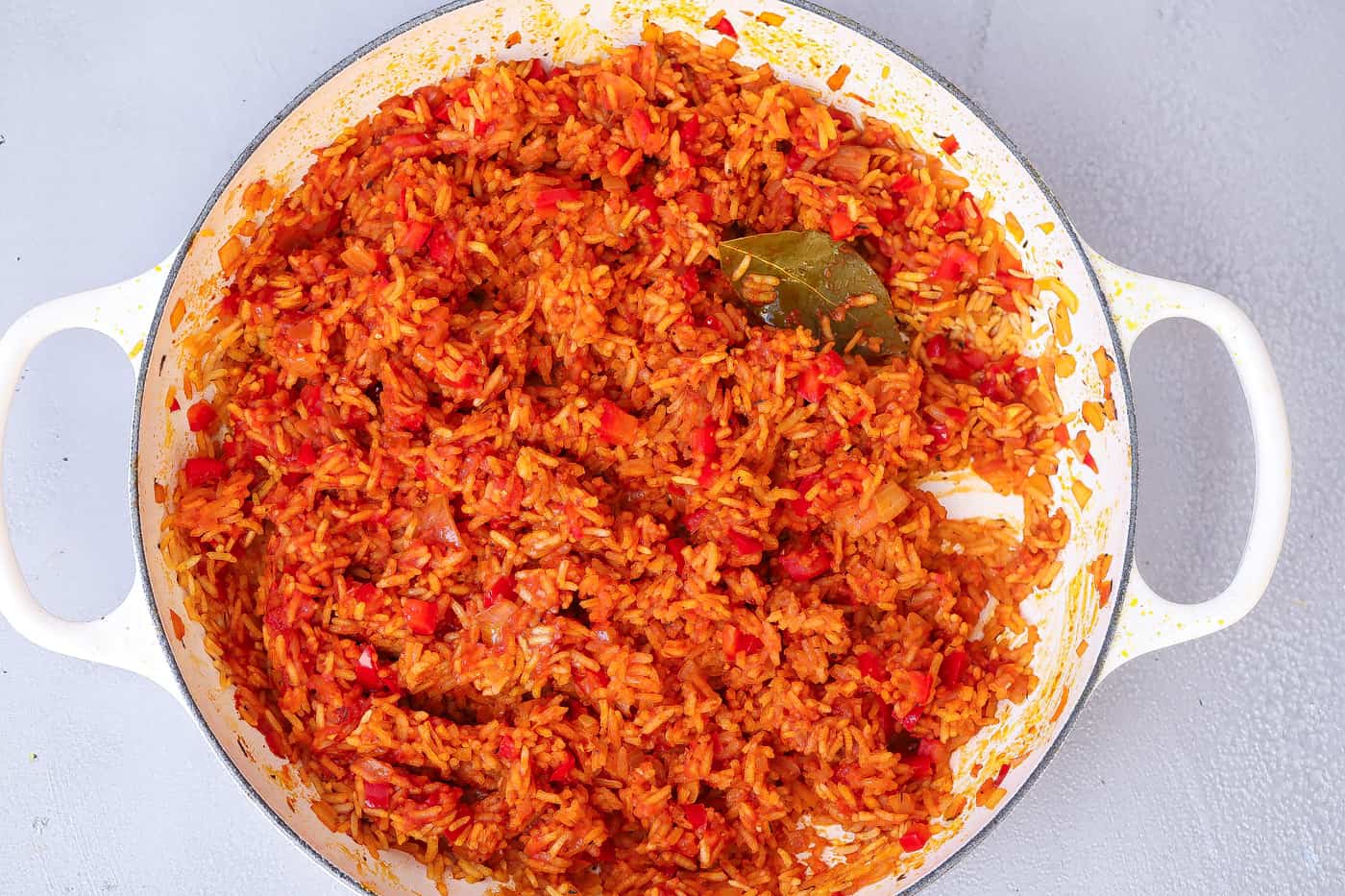
- Stir in the bay leaf and 1½ cups water, bring to a simmer and cook,
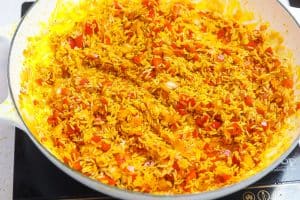
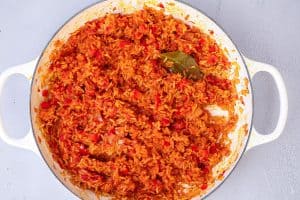
- Cover, place in the oven, and cook until almost dry and the rice is tender, about 20 minutes minutes. Remove and set aside.
- Let the rice sit covered for 15-20 minutes off heat then fluff with fork.

can you make this ahead of time for a dinner party?
Yes you can. My reco would be to refrigerate in an airtight container. When you're ready to serve reheat in a baking pan at about 350 degrees F. You may need to add some water/chicken stock to it for reheating.
Palm oil IS readily available AND ethically produced (doesn't harm orangutans by removing their habitat!) by local No CA brand NUTIVA.
NUTIVA also makes a butter substitute for frying and baking of palm/coconut oils that I use daily. Very flavorful and high heat point (doesn't burn like butter). Not 100% palm oil, so not as vivid orange, but is a nice yellow color naturally. Probably easier to find.
Both are available on Nutiva's site (with tips and recipes):
Palm oil
https://www.nutiva.com/products/organic-red-palm-oil
Shortening:
https://www.nutiva.com/products/organic-shortening?variant=8734812209212
Available also on Amazon, of course... and I've seen the shortening blend in "healthy" grocery stores like Oliver's, even Grocery Outlet has it (much less expensive but hit n miss).
This recipe sounds wonderful - looking forward to making, and eating! it!
Your instructions too are helpful and informative w/o being too simplistic. It makes one feel respected thx!
I'm lucky to live next to a market that has a lot of international foods including palm oil. I like the butter substitute option especially ones with high smoke points. I've been relying mostly on ghee and grapeseed.
Jollof can be addictive so be careful!
If you ate Ghana jollof that had a texture like "thick oatmeal," then a lazy cook somewhere did you a great disservice.