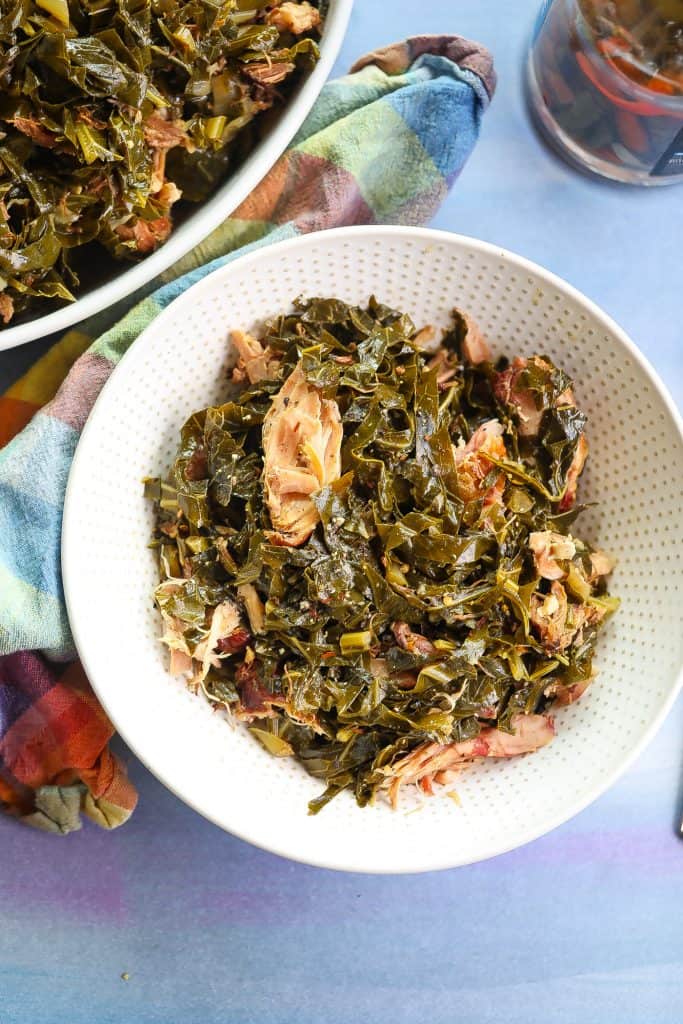
This is the one-stop post to get 4-1-1 hun on all things collard greens. If you were ever interested in learning how to cook collard greens, you’re in the right place.
I grew up in a house where we ate collard greens at least once a week. So in my mind, everyone else did also. However, I’ve learned over time that there are many who either haven’t had the exposure to them or are intimidated by the cooking process and prep.
So as a Collard Greens 101 this post will demystify, celebrate, and educate on this delicious and nutritious soul food staple.
Why Are Collard Greens So Popular In The South
Collard greens get a lot of love down South for lots of reasons:
- Rich flavor: Collard greens have a hearty, earthy flavor that pairs well with a variety of seasonings and ingredients.
- Versatility: Collard greens can be cooked in numerous ways, from simple simmering to more complex recipes, allowing for a range of flavors and textures.
- Cultural significance: Collard greens have deep roots in Southern and African American culinary traditions, contributing to their popularity in those communities.
How to select collard greens
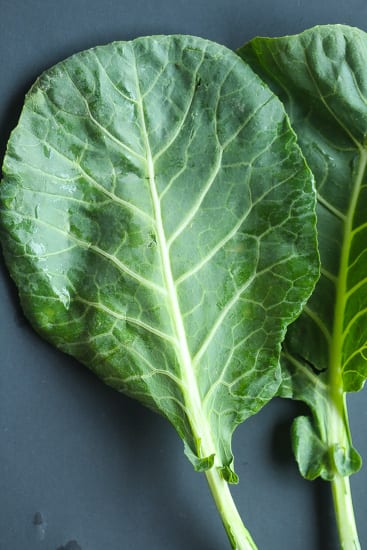
To cook good greens you gotta know how to pick ‘em. I don’t mean actually pick them from your garden (if you grow them even better), but when shopping at the grocery store or farmer’s market there are certain important traits for selecting the freshest and best tasting.
The darker the leaves the better so look for collards with dark green leaves specifically. Avoid leaves that are yellowing and/or have other blemishes. Discoloration means you got a bunch that’s past due. If it’s only a leaf here and there, you may be okay. Just discard those particular leaves.
Floppy, flimsy leaves are a no no. There should be a certain level of firmness to the leaves and stems. Firmness = freshness. If you’re not sure, just pick the bunch up and test. If they are wilted or bend a lot, put them back and move on.
Big holes in the leaves are also something you want to avoid. A few small holes aren’t a major issue, but bigger ones reflect insects feasting on them.
How to store collards
Assuming you’ve done a good job of selecting good bunches, the next step is properly storage unless you’re going for immediate consumption. Make sure the greens are stored in plastic and refrigerated. The bags will protect the greens from any dehydration and the refrigeration obviously preserves freshness keeping the collards firm.
How long can you keep the greens in the refrigerator
Refrigerated greens wrapped in plastic will generally keep 4-5 days. I prefer to cook/eat them sooner 1-2 days after storage. When you are ready to cook the greens, you'll need to cut and wash them.
How to cut collards
Greens tend to be on the tougher side and are geld together by thick, hard stems. For larger more mature leaves you can pull the leaves away from the stems using you hands or you can use a sharp knife to cut the stem away by tracing the blade on each side of the stem.
Once you’re de-stemmed all the leaves, stack several then roll them up like a cigar then sliced them into desired thickness. Note 1 inch pieces is typical, but you can adjust based on cook times. Smaller sizes = faster cook times.

How to wash collard greens
It’s much easier to cut dry greens than wet ones, so I prefer to wash after cutting. Collards are leafy with large surface area, which means there is more opportunity for gritty, dirt to post up on different parts of the leaves. You’ll want to be thorough; wash, drain, wash, drain, then wash again. There is nothing worse than chewing declines greens seasoned with dirt remains.
My approach is to soak them in a sink full of water to loosen up some of the particles. Then I rub the submerged leaves between my fingers and hands with serious intentions to remove any debris/dirt. I then wash them again for good measure. Repeat as needed until water runs clear of any debris.
A few things to note:
- Replace the water each time you wash the greens. Whether using a sink or large bowl, wash away the left behind dirt each time and then add fresh, clean water. This is important, as clean, clear water absent of any dirt will be your signal that your greens are cleaned thoroughly and ready for cooking.
- Washing does not mean bleach, dish washing liquid, or detergent of any kind. I add about a ½ cup of vinegar to my initial water soak. It has similar properties of vegetable cleaners without impacting the taste.
- Whether we’re talking collard greens or other greens like kale, mustards, turnips, spinach, etc. the same cleaning approach is required.
How to Cook Collard Greens
Traditional Southern Collard Greens Recipe
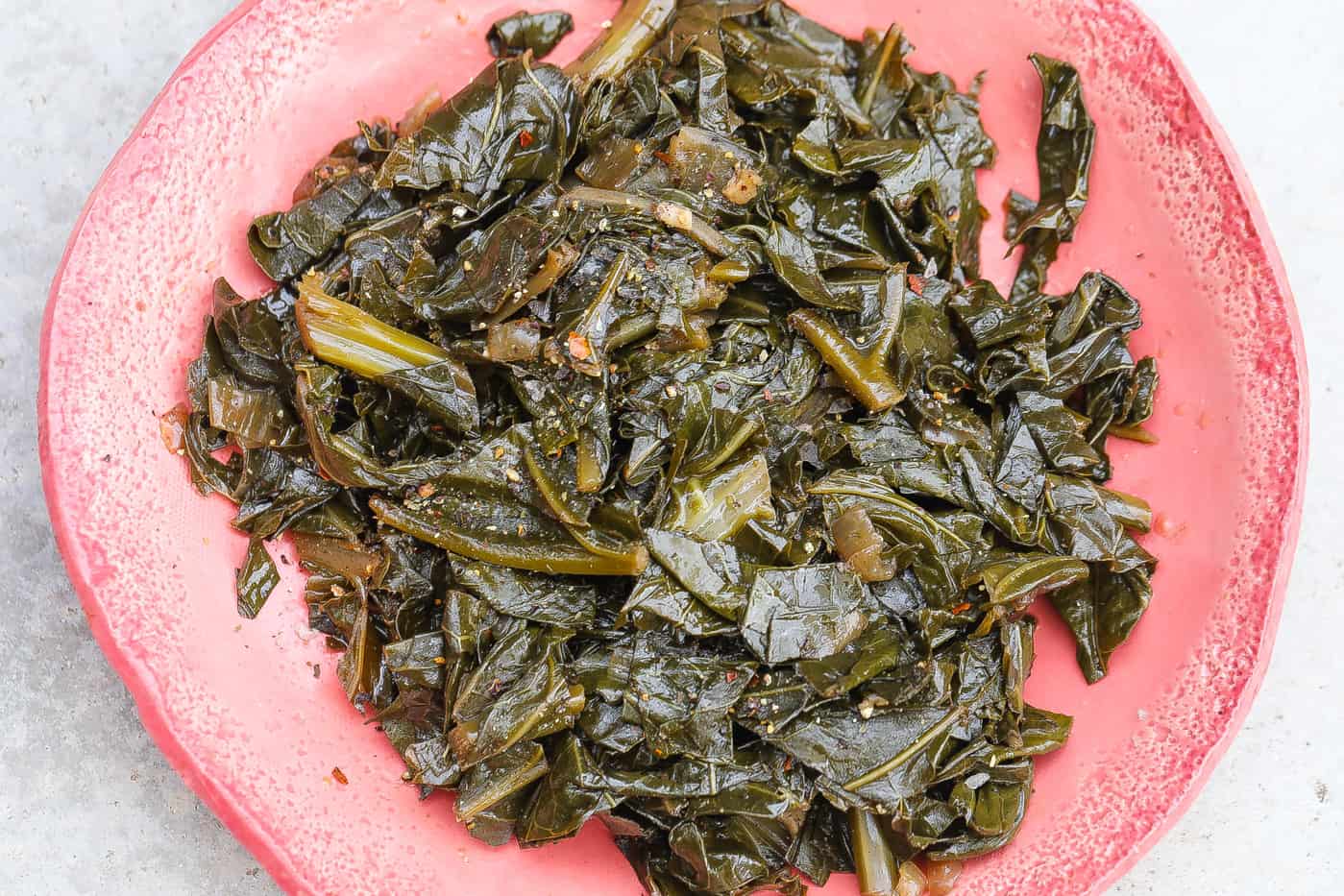
Now that your collards are cut and cleaned, you’re ready to go. But you have many different options for cooking approach. If you can master Southern collard greens, you can pretty much handle any approach so let’s start there. The Southern way calls on long, slow stewing of the greens in water/broth seasoned with smoked meat like pork ham hocks, pork fatback, bacon, etc. Black folks soul food style greens historically lean towards pork but modern soul food diets call more often for smoked turkey.
Substituting smoked turkey vs. pork has become pretty popular over time providing another option to replicate that meaty smokiness in your Southern style collard greens.
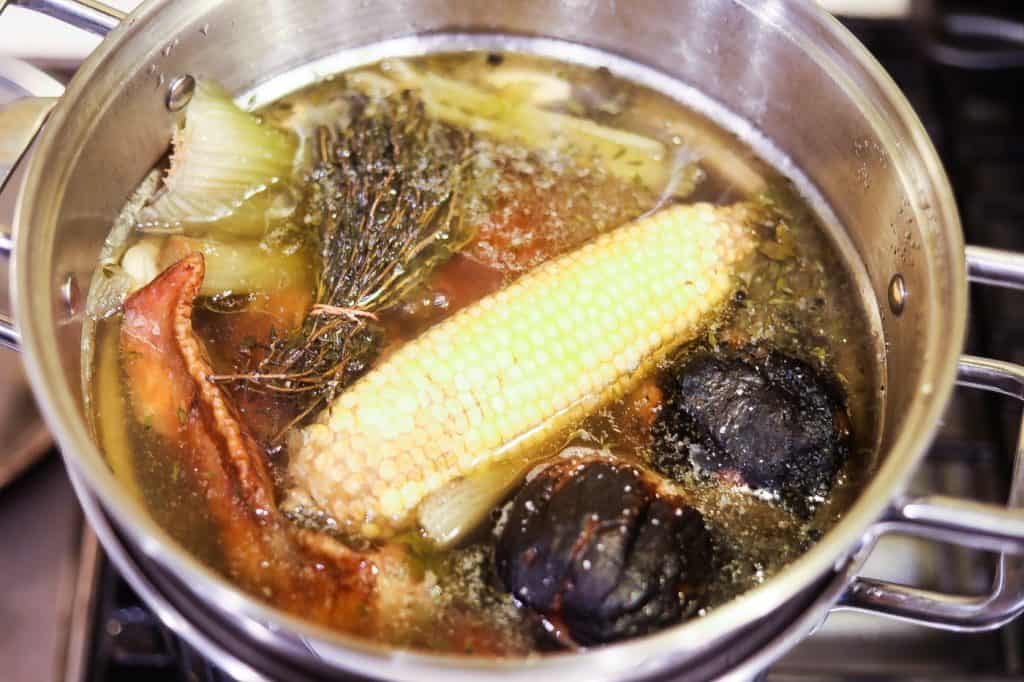
Make the broth
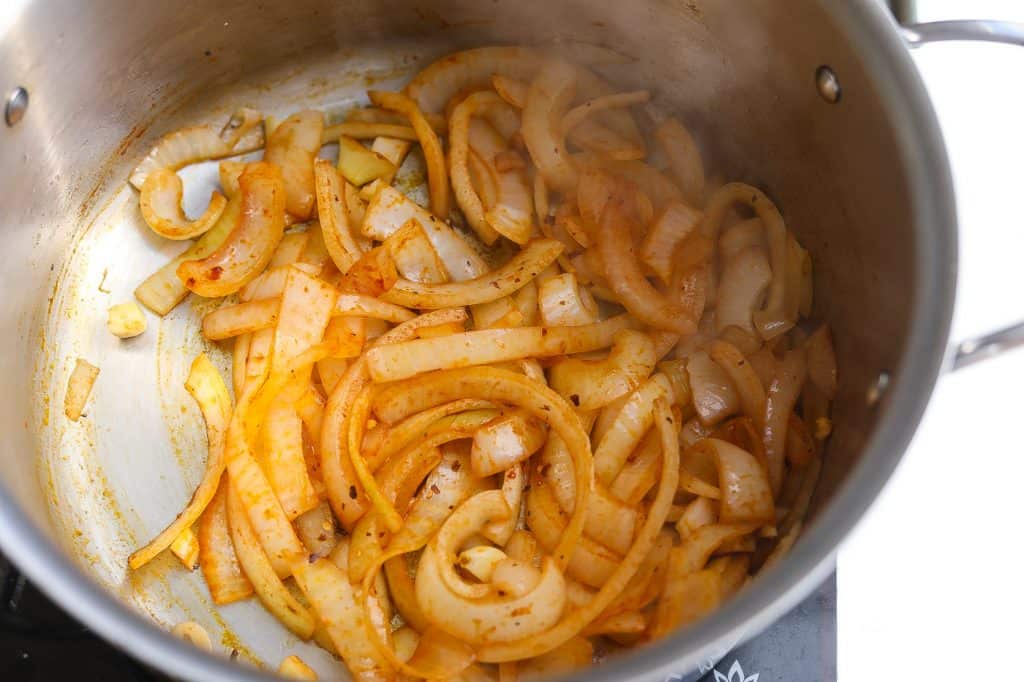
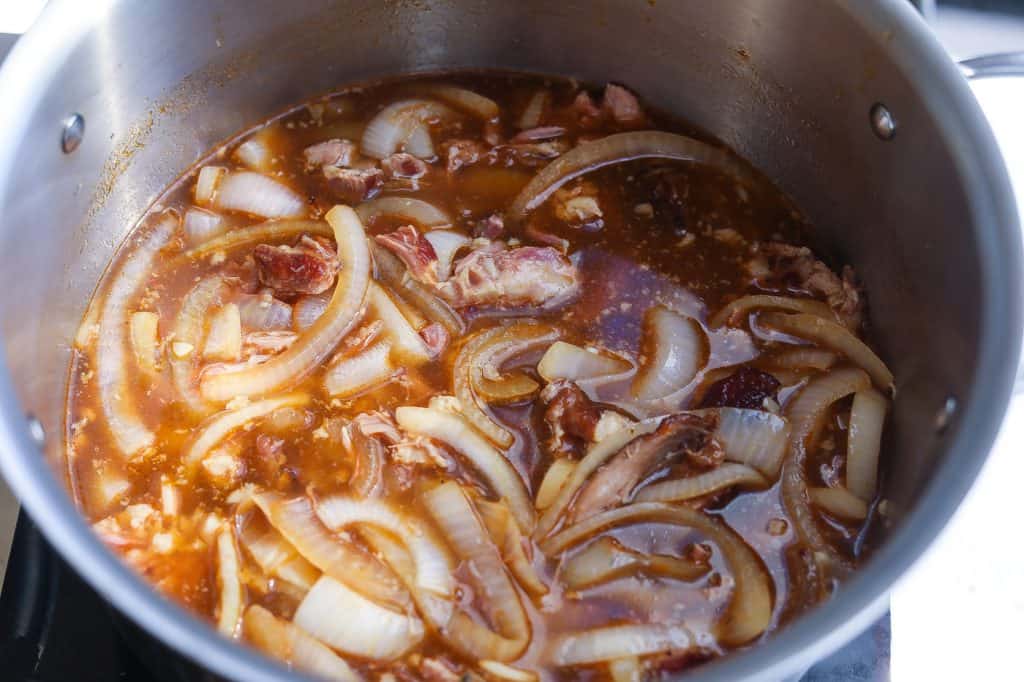
Outside of the prep (washing and cutting) 95% of the work in cooking collards is the broth. It is absolutely what separates the adults from the kids in making good greens. I like to create my own homemade broth vs store-bought but that’s the advanced course. For beginners I recommend just doctoring up store bought low-sodium chicken stock. By doctoring up I mean stock with smoked meat, spices (paprika, pepper, salt, bay leaf), and sautéed onions and garlic.
For additional flavor I like to add pinches of red pepper flakes, cider vinegar, and molasses or maple syrup. These ingredients are about both elevating and balancing the flavors. The vinegar is needed acidity to break through the fatty smoked meat. Maple or molasses add mild sweetness to counter the savory and heat from the red pepper flakes.
Saute Vegetables
Add Broth
Add the fresh collard greens
I don’t add greens to the pot until I’m satisfied with the broth. Once my broth quality control test is complete, I add the raw, cleaned, and cut greens then stew for about two hours. If your broth is well seasoned, there is little left for you to do. You can certainly add seasoning (black pepper, paprika, and salt) as you go.
The greens are ready when they are tender and even a darker shade of green. Taste for seasoning before serving. Adjust as needed.
People argue about how long you can store cooked collard greens. Three days is max for me in terms of enjoying leftover collard greens
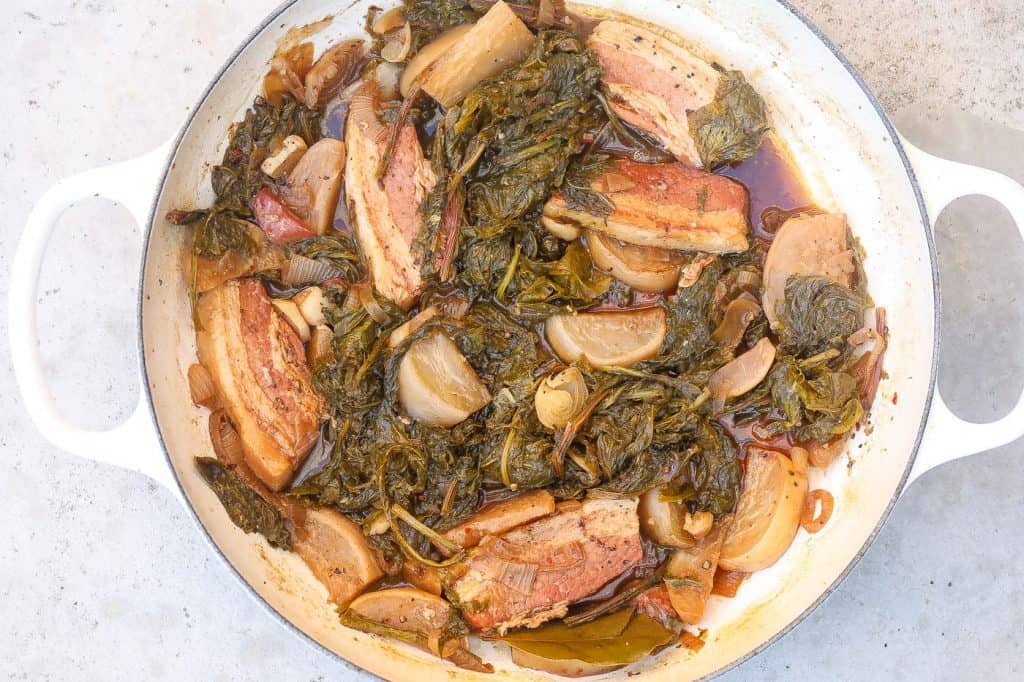
Southern Collard Greens with Smoked Turkey - detailed recipe here
What To Pair With Greens
Southern collard greens pair well with a variety of soul food classics. Here are few of my favs to serve collard greens with:
- Cornbread: A classic Southern side that complements the rich and savory flavors of collard greens.
- Fried chicken: The crispy texture and savory flavor of fried chicken are a perfect match for the earthy taste of collard greens.
- Black-eyed peas: Another staple of Southern cuisine, black-eyed peas add texture to the meal, complementing the greens beautifully.
- Macaroni and cheese: Creamy macaroni and cheese provides a comforting and indulgent addition to the meal.
Flavor variations and additions
Seasoning of greens comes in two waves - either from the broth and/or the smoked meat of choice.
Smoked Meats
Most Southern style collard green recipes rely on smoked pork for seasoning the greens. The most popular smoked pork of choice is the almighty ham hock. However smoked bacon and salt pork/fat back are good go tos. Southern collard greens braised with thick cut smoked bacon are a favorite. Many soul food collard greens are opting for Smoked turkey (necks, turkey tails, and wings) these days. Lately I've been using smoked brisket for quick instant pot Southern collard greens. Because brisket is highly flavorful and boneless I enjoy my brisket seasoned greens as a main dish vs. the usual side dish.
Tangy Liquids
Between the fatty smoked meat and bitter greens acidity is needed to balance things out, especially to cut through the fat. Vinegar or briny hot sauces are typically used. I prefer apple cider vinegar, but plain white or even red wine bring something to the table. A good pepper sauce like this tequila pepper sauce or your favorite hot sauce also works. A good sweet white wine can be used to elevate things especially like in this tasty wine braised collards recipe.
Though not considered tangy, chicken broth is used to flavor greens helping to create a great pot liquor or likker as we say down South.
Seasonings
Salt and pepper are the usual spice seasoning for collard greens. I also like to add smoked paprika, garlic powder, red pepper flakes, and a little bit of allspice for flavor complexity.
Other Ways For Cooking Collard Greens
Cooking greens in instant pot
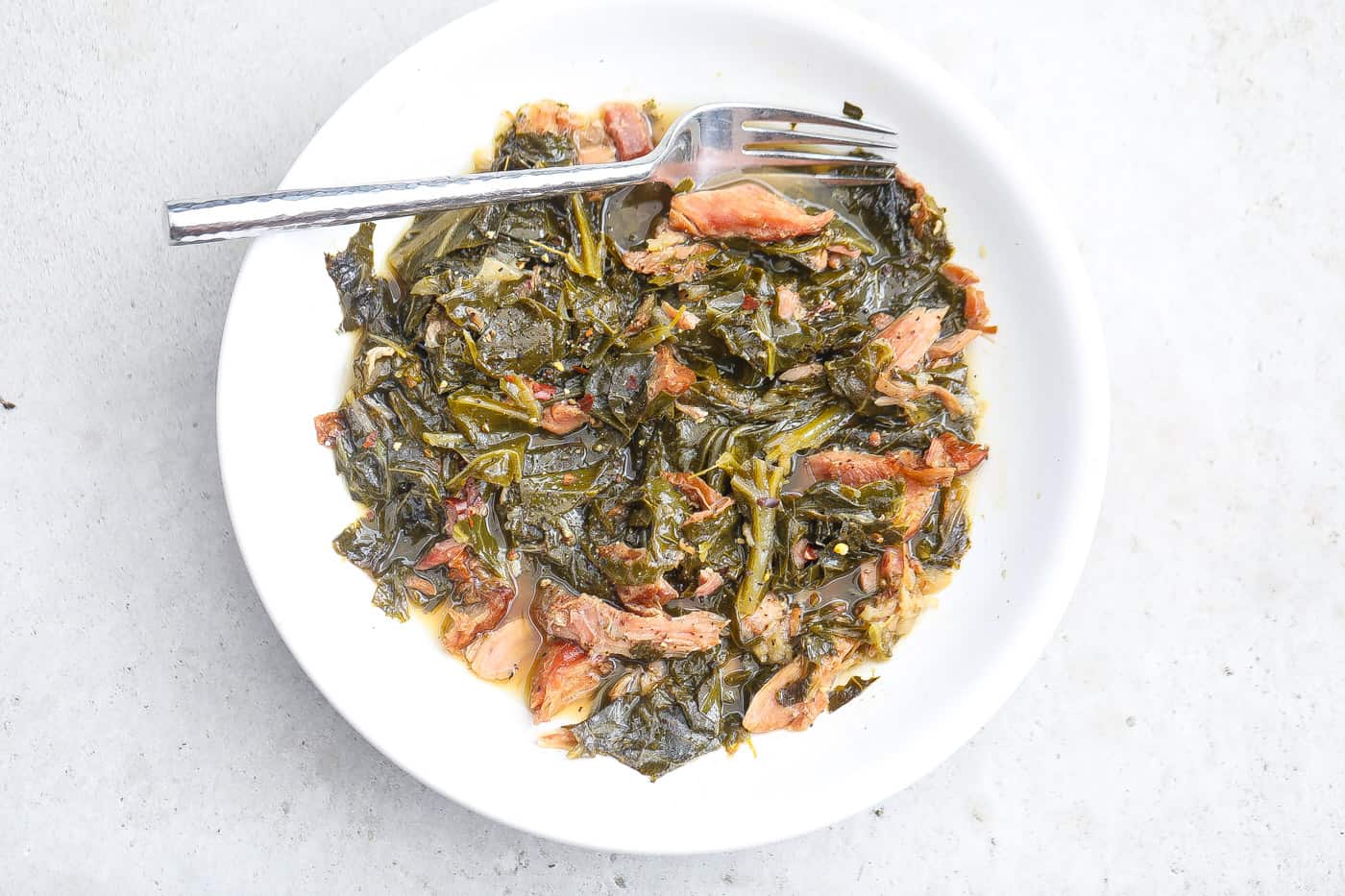
Most of my weeknight collards are cooked right in the instant pot or pressure cooker. Pressure cooked southern greens mimic classic greens in much faster time. If you don’t have an instant pot I highly recommend investing in one, as it allows you to convert longer, traditional Sunday dinner recipes into shorter weeknight versions.
The key with instant pot is using the “saute” feature to brown your vegetables (onions and garlic) first. I also do the same with my smoked meat of choice to release some of the flavor. Then you just add the greens, mix well, and then cook.
Cooking greens in crockpot
I personally don’t use a crockpot for cooking. I use it as more of a keeping things warm vessel. If you plan on cooking collards in a crockpot, my one expert tip will be to sauté your vegetable and smoked meat in a separate skillet first. Crockpots don’t get hot enough for sautéing and this is such an important step for maximizing flavor.
Braising Collard Greens
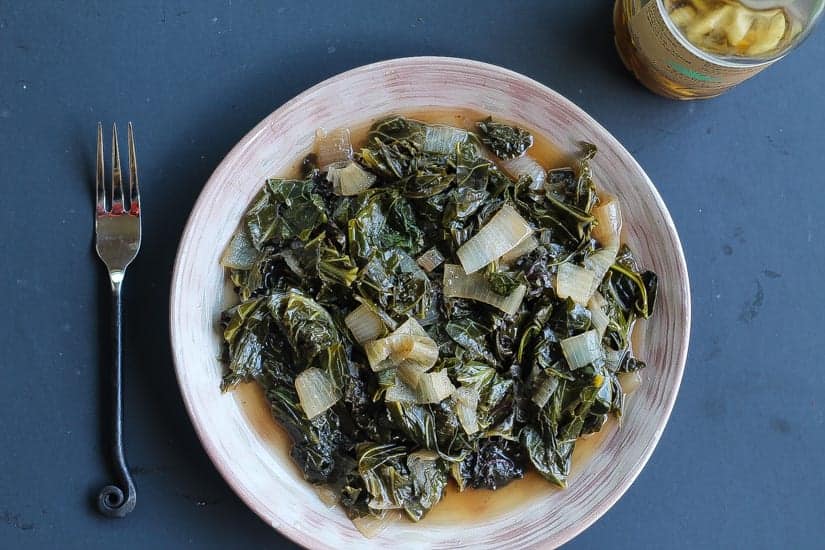
Braising collard greens is one of my favorite ways to enjoy collards. It’s a faster cook, so requires some finesse to optimize flavor, but worth it to have in your arsenal. You’ll want to cut the greens into smaller pieces given the shorter cooking time. The other benefit to braising is you can utilize more sophisticated ingredients like shallots, wine, or a aged balsamic vinegar.
Sauteing Collard Greens
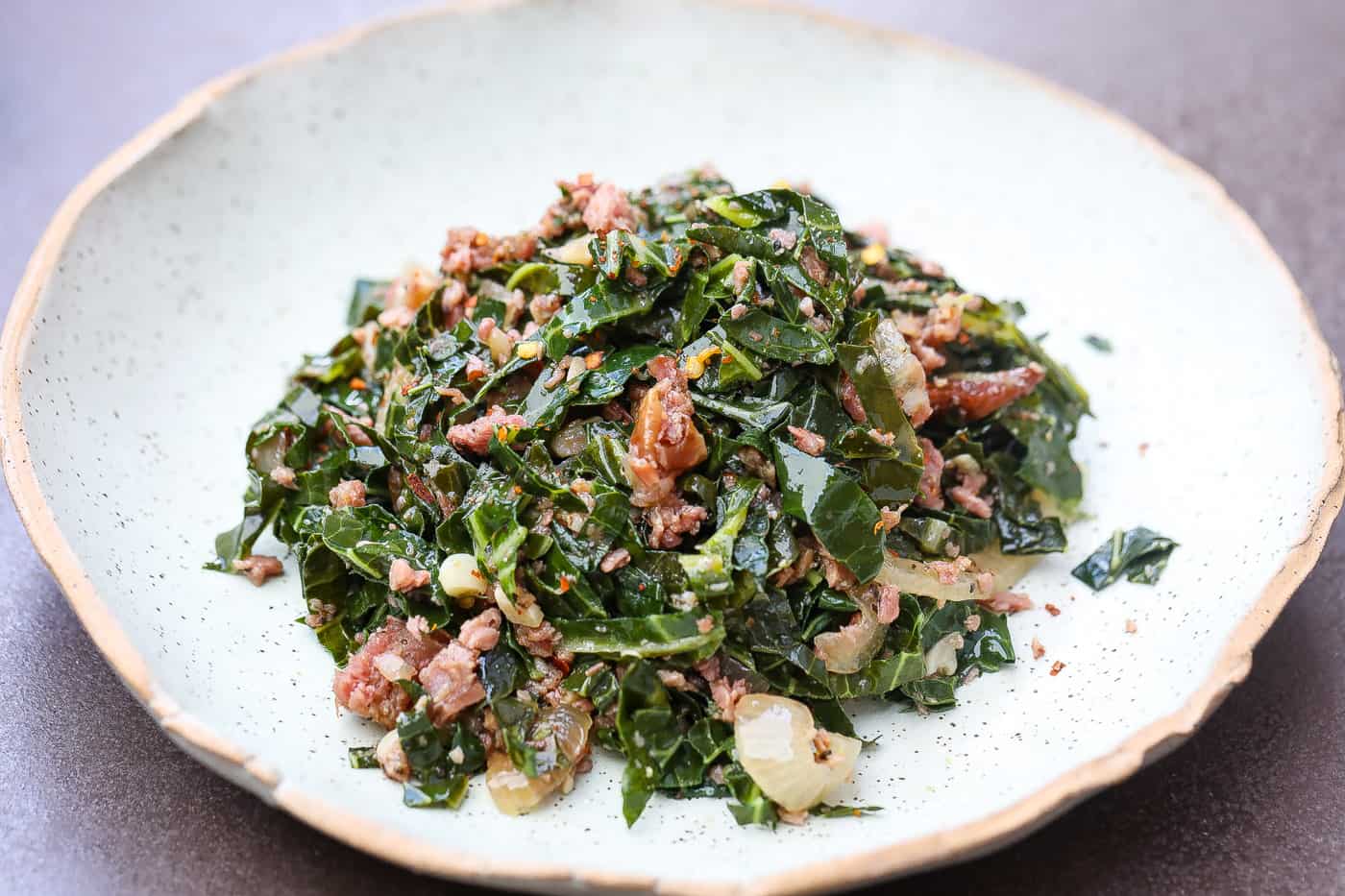
When I’m really short on time a quick saute is my preferred way to get in tasty collard greens. The key is cutting the leaves into thin strips a la “Chiffonade” style. Next step is to create an infused “sauce” for sautéing the greens in. Using onions, garlic, and spices to infuse the oil is a common approach. You basically concentrate all thisflavor in the bottom of a pan then quickly saute thin strips of greens in it insuring all leaves are coated in the sauce.
Brazilian style collard greens reflect perfection of this method. Oil infused with onions, garlic, simple spices, and ground smoked pork are a flavor burst for tender greens.
Raw Collard Green Recipes
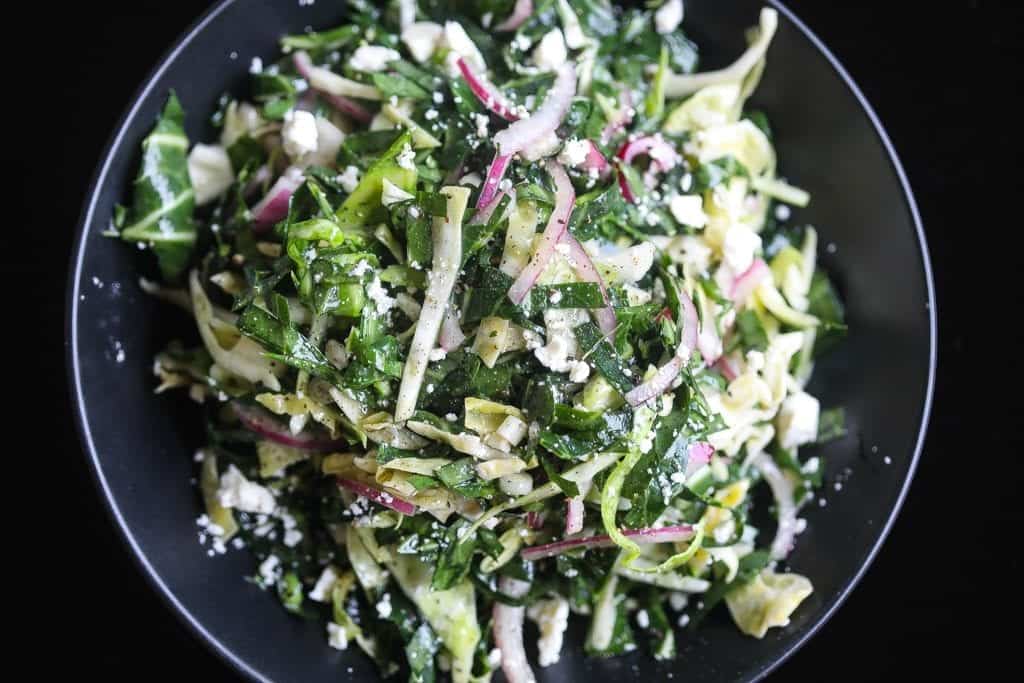
Collard greens are nutritious and robust in flavor in their natural raw state so you can definitely enjoy them raw in salads. Per my earlier mention you’ll just want to cut them into thinner strips/pieces. Collard greens are bitter type greens hence the longer cook times are intense sautéing used.
However, acidic ingredients like citrus and vinegars can help break down the greens without cooking. In this way the raw leaves are more like a ceviche in terms of cooking approach as they are marinated or “cooked” using the acidity. Lime juice and red wine vinegar makes for one of the best and tangiest collard greens based slaws.
Vegan Collard Greens
The beauty of having a repertoire of cooking methods, is you can enjoy collards in many different ways including vegan dishes. The earlier braising and sautéing examples were all vegan based recipes.
For classic collard greens the trick is to mimic the smokey flavor of smoked meats. For this delicious vegan soul food collard greens dish, I used a combination of smoked sea salt, smoked sweet paprika, and hickory flavored liquid smoke to get ur done!
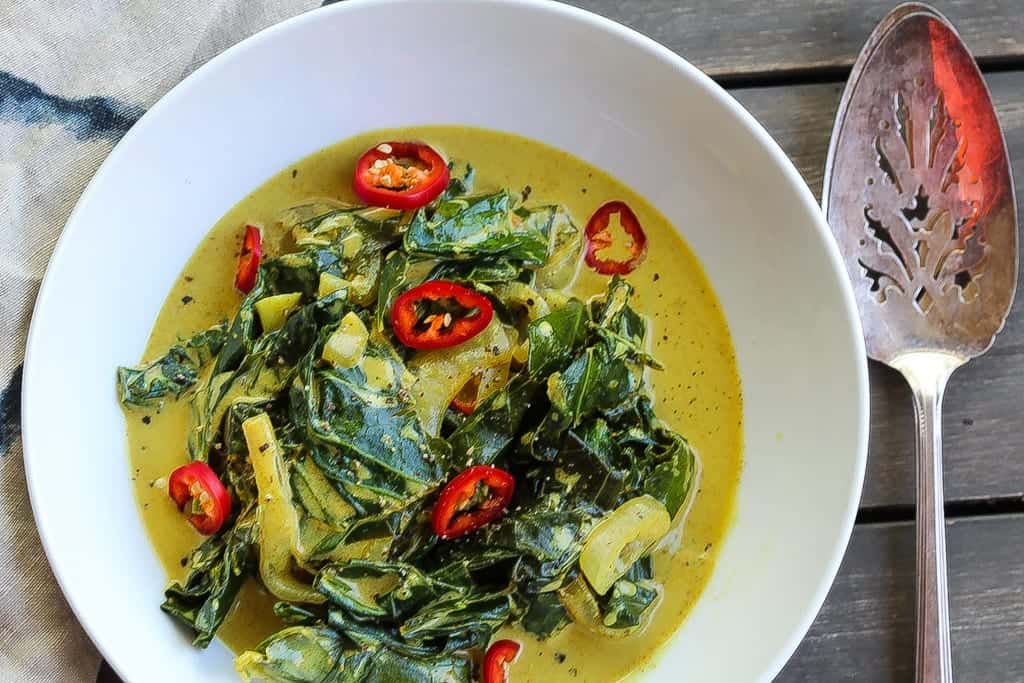
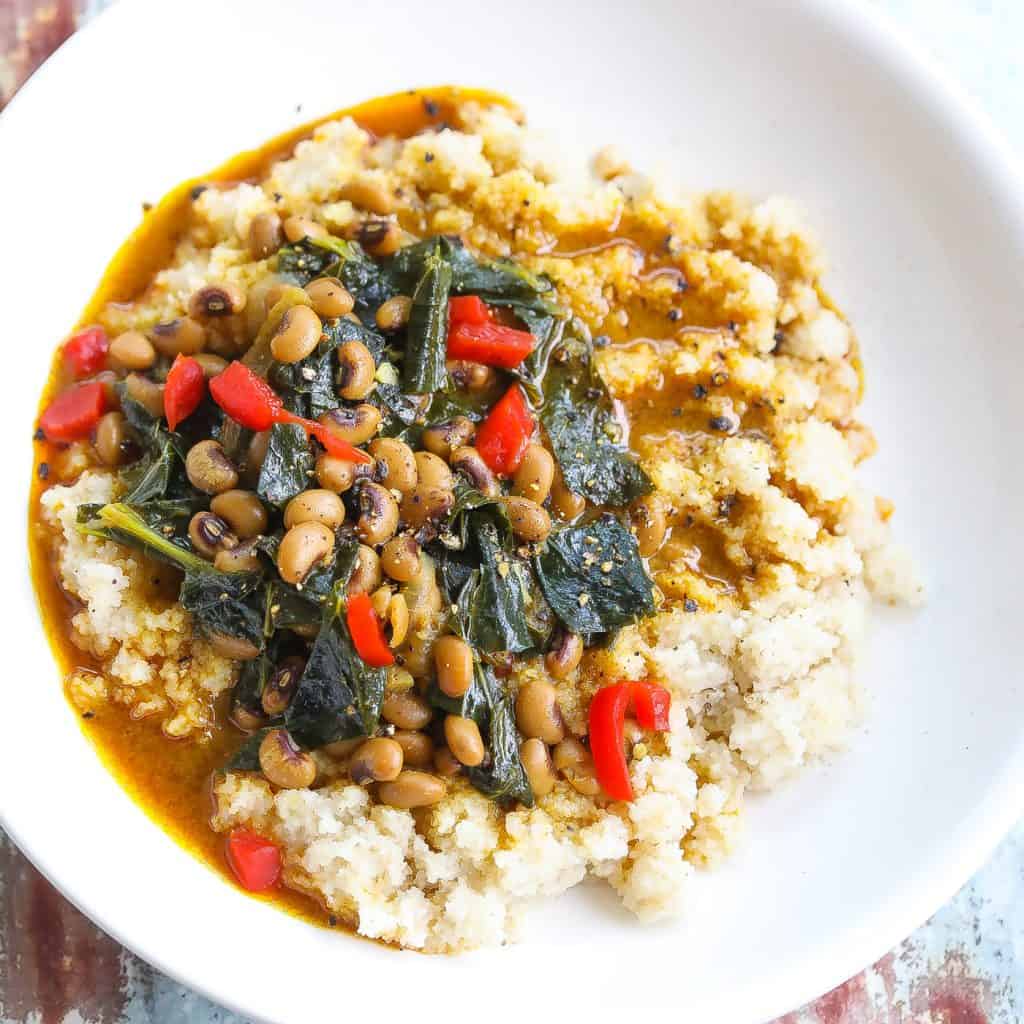
I like using curry to flavor vegan collards dishes like this elegant, but simple Curried Collards dish or combined Collards and Blackeyed Peas curry.
Mixed Greens Recipes
Collard greens play well with other types of greens - mustard greens, turnip greens, kale greens, etc. There are a few southen classic dishes - Greens Gumbo Z'herbes
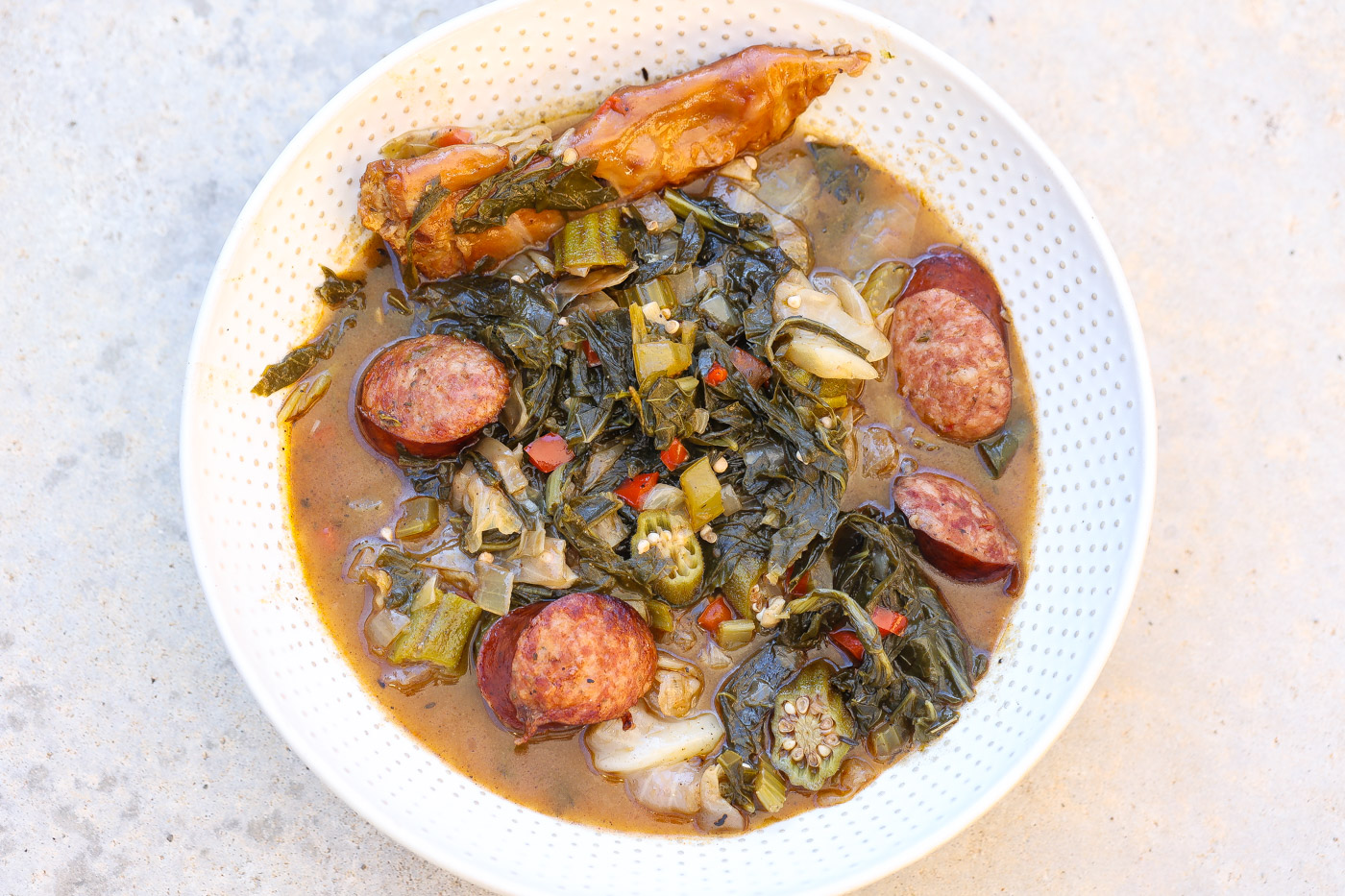
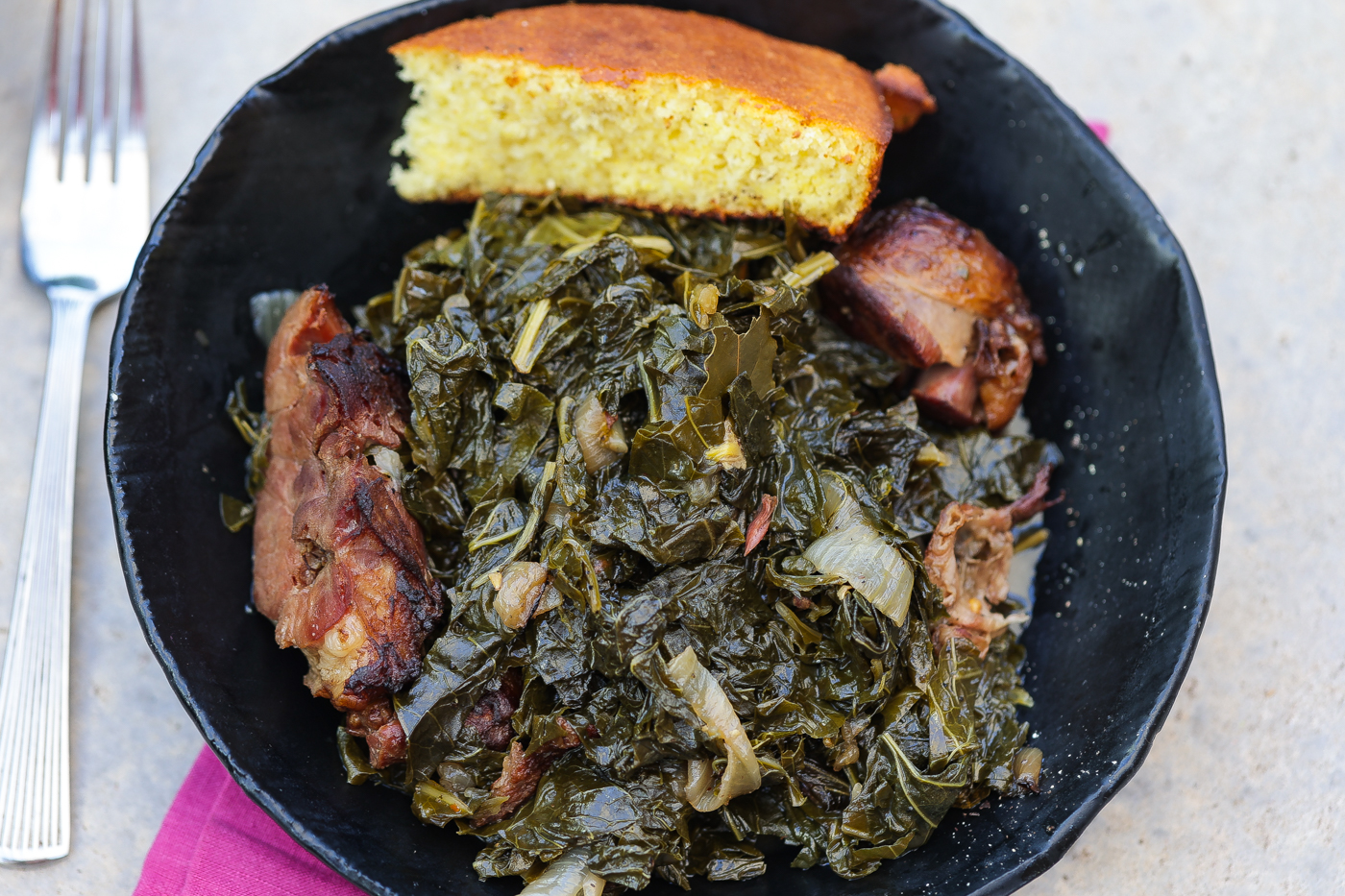
or Mixed Greens aka "Mess O' Greens which I love. The contrasts in flavor and texture are a wonderful thing!
Collard Green Alternatives
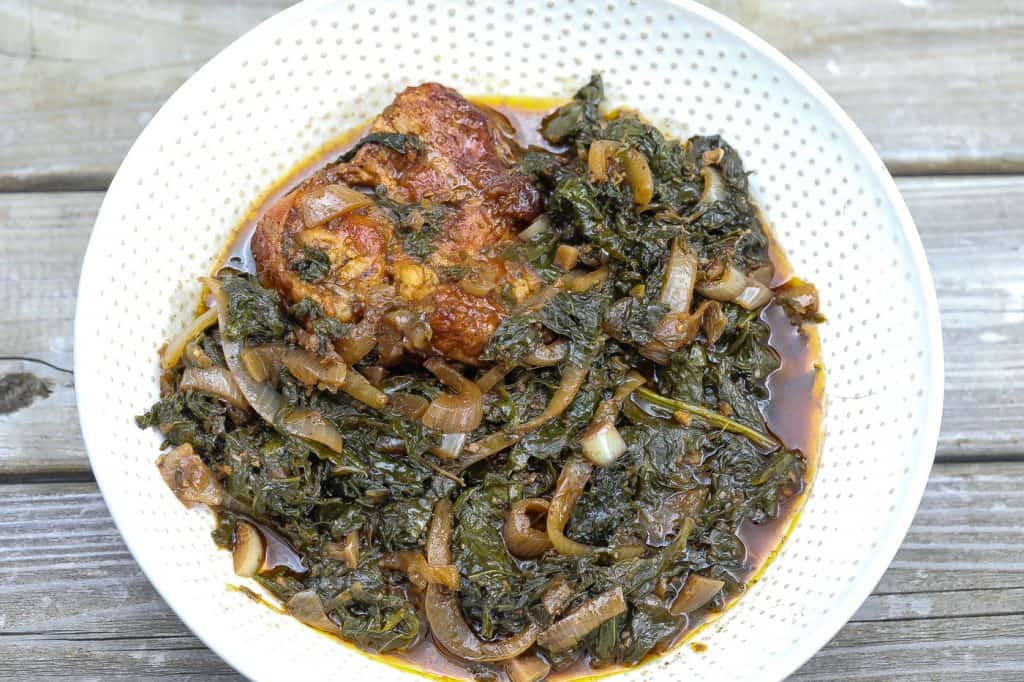
Speaking of mustards and turnip greens, either make for good substitutes to collard greens when cooking them in the slow cooked collard greens way. Braised mustard greens with smoked turkey tails are sooooo good, as well as Southern turnip greens cooked with salt pork and fresh turnip roots which are on equal levels of tastiness.
Frequently Asked Questions
How long should collard greens cook?
It depends on how you are cooking them. Traditional Southern style is a long slow simmer roughly 1 ½ - 2 hours. But if you're making a quick braise you'll only need about 15-20 minutes.
What to do with the stems?
The stems make for great pickling. So if you a great pickling recipe definitely take advantage. I will occasionally substitute collard stems in a pickled okra recipe. You can also use them to flavor stock, or simply just add them to your compost bin.
Can You Freeze Collard Greens?
Yes, you can freeze leftover collard greens for future use. Here's how:
- Allow the leftover collard greens to cool completely to room temperature.
- Transfer the collard greens to airtight freezer-safe containers or resealable plastic bags.
- Press out any excess air from the containers or bags before sealing to prevent freezer burn.
- Label the containers or bags with the date of freezing.
- Place the containers or bags in the freezer, ensuring they are placed flat to allow for easy stacking and storage.
- Frozen leftover collard greens can be stored in the freezer for up to 3-4 months.
Making Collard Greens
If you have any other tips for how to cook collard greens please come back and leave me a comment below with your thoughts.
You can also keep up with my food exploits as well as original recipes! You can find me on Instagram, Facebook, Twitter, and Pinterest. If you like any of the music you find on the site, visit me at Spotify to find curated monthly playlists.
Before I put my veggies of any kind in a plastic bag, I put them in a linen bag. This wicks the excess water away from the leaves, but retains high humidity. All my veggies, but especially greens, that are notorious for turning to mush, stay nice and fresh for two to three times longer than just plain plastic. Just wash them between uses. They don’t get mold, etc., like cotton does and mine have lasted more than ten years. I made mine from linen I found on sale at the end of the summer season.
great tips!