
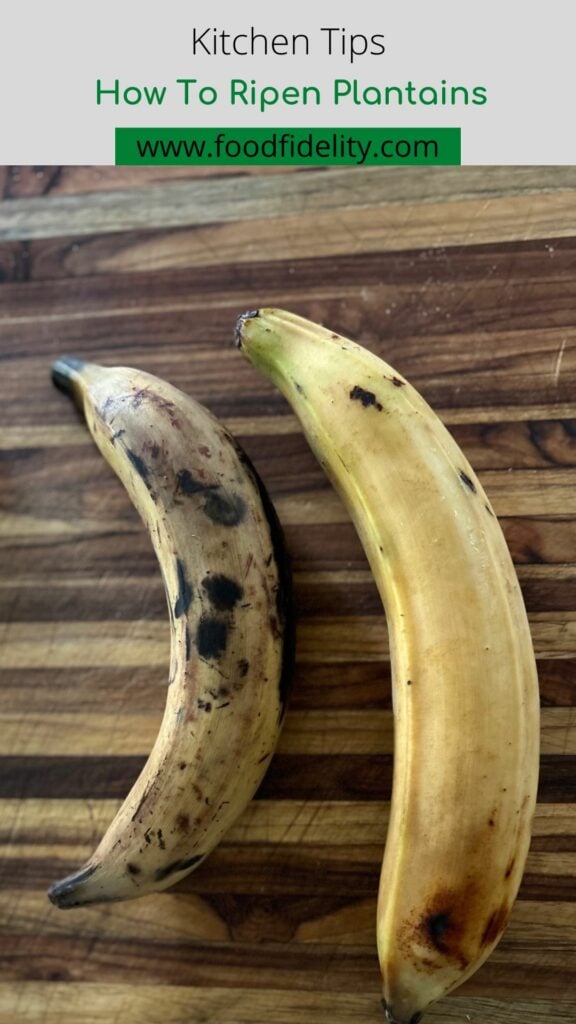
Plantains are a versatile and beloved ingredient in many cuisines around the world, but knowing how to ripen them properly can be a challenge. This post offers a comprehensive guide on how to ripen plantains using various methods, and how to prepare them once they've reached the perfect level of ripeness. Whether you're aiming for sweet softness or starchy firmness, these tips will help you make the most of this delicious fruit.
Key Takeaways
- The oven, microwave, and paper bag methods are effective ways to accelerate the ripening of plantains, with each offering a different level of heat and time commitment.
- Ripe plantains are easier to peel and cook, becoming sweeter and softer as they ripen, while unripe green plantains are firmer and starchier, similar to potatoes.
- When preparing ripe plantains for cooking, it's important to wash them, trim the ends, make a lengthwise slit, and peel them carefully to preserve the flesh.
- Unripe green plantains can be used in a variety of cooking methods, including mashing, frying, and braising, making them a versatile substitute for potatoes in many recipes.
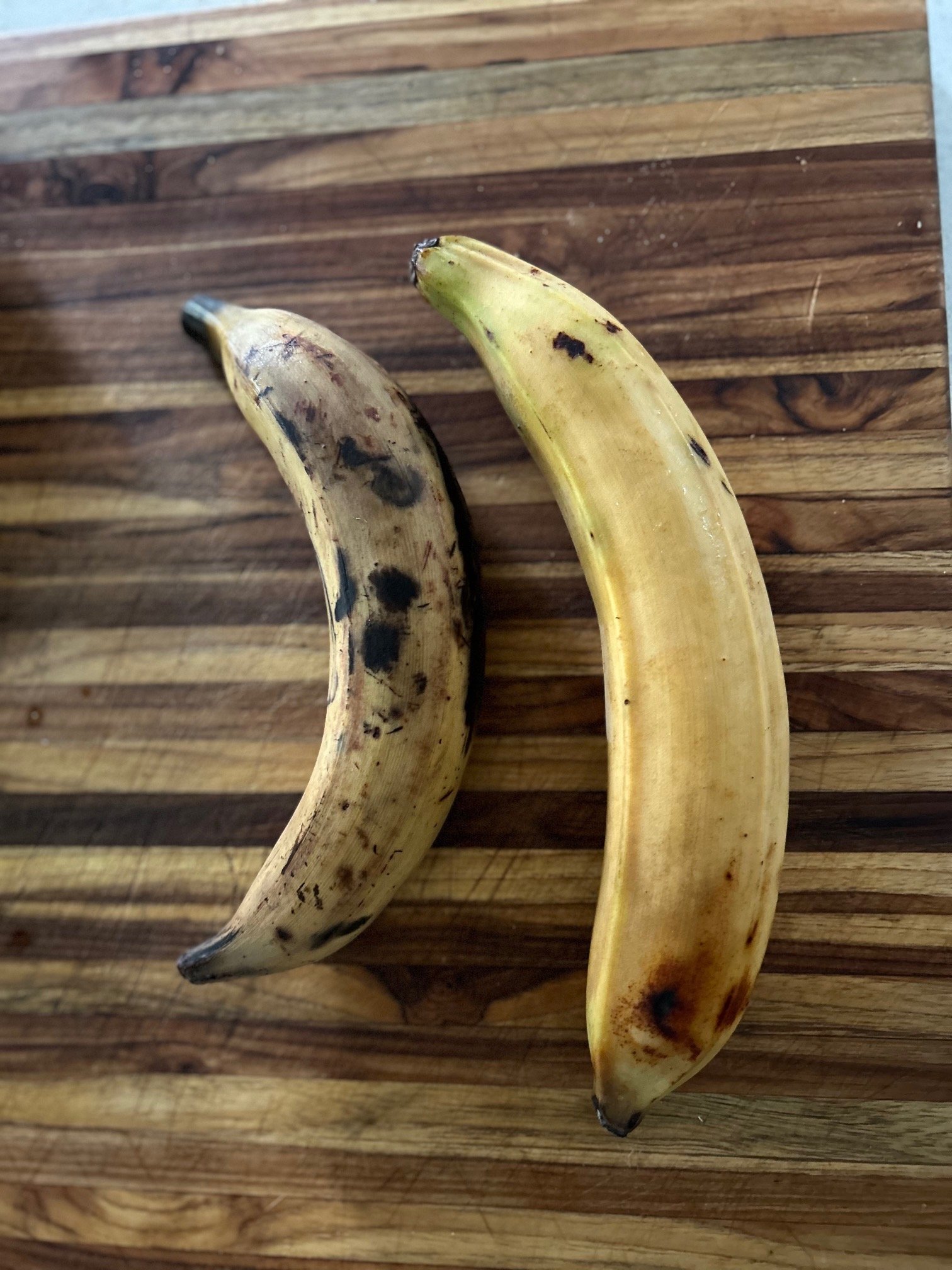
Quick Tricks to Ripening Plantains
The Oven Method: Baking Your Way to Ripeness
Wondering how to ripen plantain quickly? The oven method is a fantastic way to achieve that perfect softness and sweetness. Here's how you can do it:
- Preheat your oven to 300 degrees Fahrenheit.
- Place the plantains on a baking dish.
- Bake for 15 to 20 minutes.
The gentle heat of the oven works wonders, accelerating the ripening process and ensuring your plantains are ready for a variety of recipes, from grilling to cooking dishes like sweet potato wedges or pork chops.
The Microwave Method: Speedy Ripening in Seconds
If you're in a rush and craving that sweet, ripe plantain goodness, the microwave method is your best friend. Pierce the plantain peel with a fork multiple times to allow steam to escape and place your plantain in the microwave. Heat it on high for just 30 seconds to 1 minute. This short burst of heat works wonders, aiding in the breakdown of the plantains' starch and bringing them closer to that perfect ripeness.
Once you've microwaved your plantain, let it rest for a minute before checking for softness. If it's not quite there yet, you can microwave it in additional 15-second increments, but be cautious not to cook it through.
The Paper Bag Method: Ripening Plantain Naturally
Using a paper bag to ripen plantains naturally is a simple and effective method. Begin by placing the unripe plantains in a paper bag, ensuring they are not overcrowded. Fold the top of the bag over to close it loosely, allowing for air circulation. Store the bag in a warm, dry place away from direct sunlight and allow to ripen undisturbed.
The ethylene gas produced by the plantains will be trapped inside the bag, speeding up the ripening process. Check the plantains daily for ripeness, as they can quickly become overripe. Once they reach your desired level of ripeness, remove them from the bag and use them in your favorite recipes.
Prepping Your Ripe Plantains for Cooking
Peeling and Cutting: A Step-by-Step Guide
Plantains generally can be hard to cut if you don't know how. Once your plantains are ripe and ready, it's time to get them prepped for cooking. To peel plantains can be a bit tricky due to their thick skin, but with these simple steps, you'll have them ready in no time.
First, give your plantains a good wash under running water. Then, grab a small knife and cut off both ends of the plantain, about ¼ inch from the tips. Now, you're ready to make a slit. Carefully score the peel lengthwise, ensuring you only cut through the peel and not into the flesh of the plantain. Do this on both sides for easier peeling.
With the tips removed and the peel scored, gently slide your finger under the peel at one end. Run it along the length of the plantain, separating the peel from the flesh. This should allow the peel to come off in two halves, leaving you with the perfect plantain ready for slicing.
From Green to Gourmet: Cooking Ripe Plantains
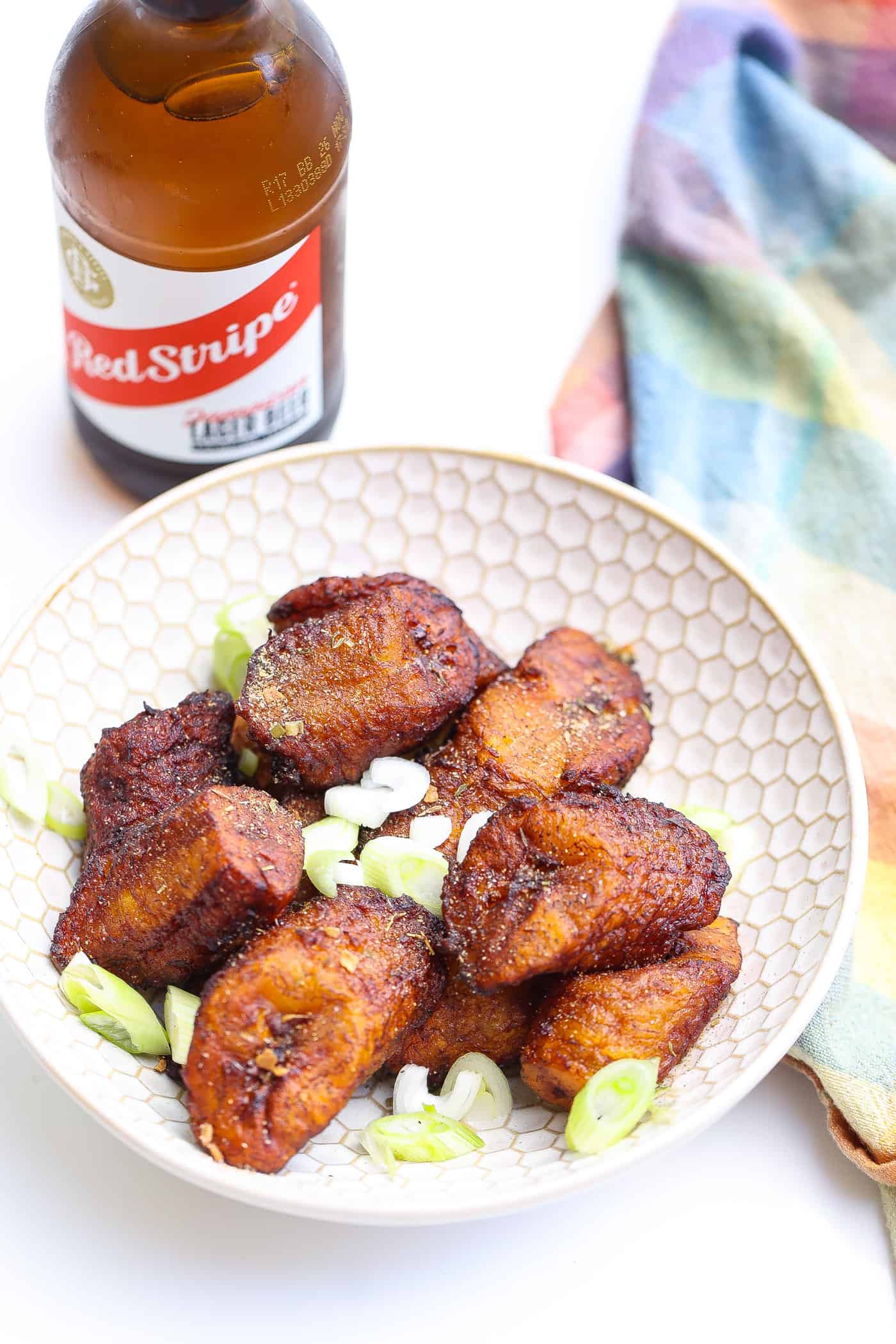
Once your plantains have transitioned from green to golden, they're ready for the gourmet treatment. Ripe plantains are a delight in the kitchen, offering a sweet and soft contrast to their unripe counterparts. Cooking ripe plantains is a breeze, and the possibilities are endless.
Fried plantains is a popular method, transforming the fruit into a caramelized treat. Here's a simple step to get you started:
- Heat oil in a pan until it begins to shimmer.
- Add the plantains in batches to avoid overcrowding.
- Fry each side until golden, typically about 1 ½ minutes on one side and around 1 minute on the other.
.
Understanding Plantains: From Unripe to Ripe
The Stages of Plantain Ripeness: What to Expect
Understanding the ripening stages of plantains is crucial for both cooking and eating enjoyment. As plantains ripen, their starches convert into sugars, making them sweeter and softer. Initially, plantains are quite firm and starchy, much like potatoes, and are best for dishes where they are fried or boiled.
Green plantains are at the start of the ripening process. They're ideal for savory dishes due to their high starch content. As they begin to turn yellow, the sweetness starts to come through, making them suitable for a wider range of recipes. When black spots appear, they're at their sweetest and softest, perfect for desserts or eating raw.
When it comes to green plantains, the possibilities are endless. Their ability to absorb flavors and maintain structure under heat makes them ideal for a variety of cooking methods.
Here's a quick list of ways to incorporate green plantains into your meals:
- Mashed as a side dish
- Sliced and fried for chips
- Cubed and added to soups or stews
- Grated for use in doughs or batters
Remember, while ripe plantains are sweet and soft, green plantains are firm and starchy, offering a different experience in both texture and taste.
Storing and Refrigerating Plantains
To store ripe plantains, you can keep them at room temperature for a few days if you plan to use them soon. However, if you want them to last longer, it's best to store them in the refrigerator. Place the ripe plantains in a plastic bag or airtight container to prevent them from drying out. They should last for up to a week when stored properly in the refrigerator.
If you have sliced or cut ripe plantains, store them in an airtight container or wrapped in plastic wrap in the refrigerator for up to three days. Alternatively, you can freeze ripe plantains for longer-term storage. Simply peel and slice them, then place the pieces on a baking sheet lined with parchment paper and freeze until solid. Once frozen, transfer the plantain pieces to a freezer bag or airtight container and store them in the freezer for up to six months.
Conclusion
In the journey to enjoy the rich, sweet flavors of plantains, ripening them correctly is key. Whether you're in a rush and use the oven, microwave, or boiling methods, or you patiently wait for nature to do its work, the transformation from starchy to sweet is well worth the effort.
Remember, ripe plantains are versatile and can be cooked in numerous delicious ways. So next time you find yourself with a bunch of green plantains, fear not. Embrace the ripening process, experiment with different methods, and get ready to savor this delectable fruit in all its glory.
Leave a comment