This post may contain affiliate links via Amazon's affiliate advertising program. See privacy policy
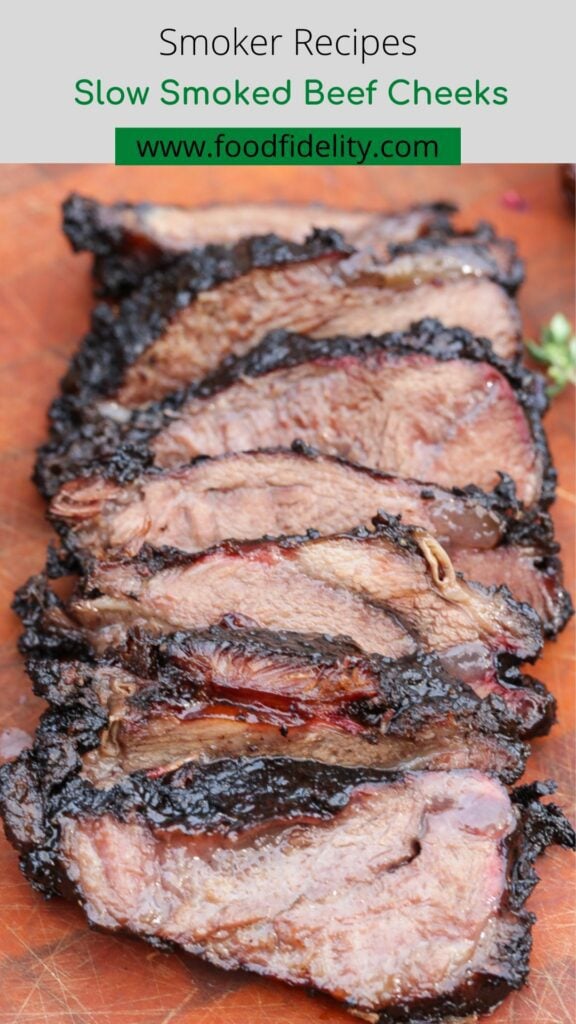
Low & Slow Smoked Beef Cheeks With Caribbean Jerk Fire
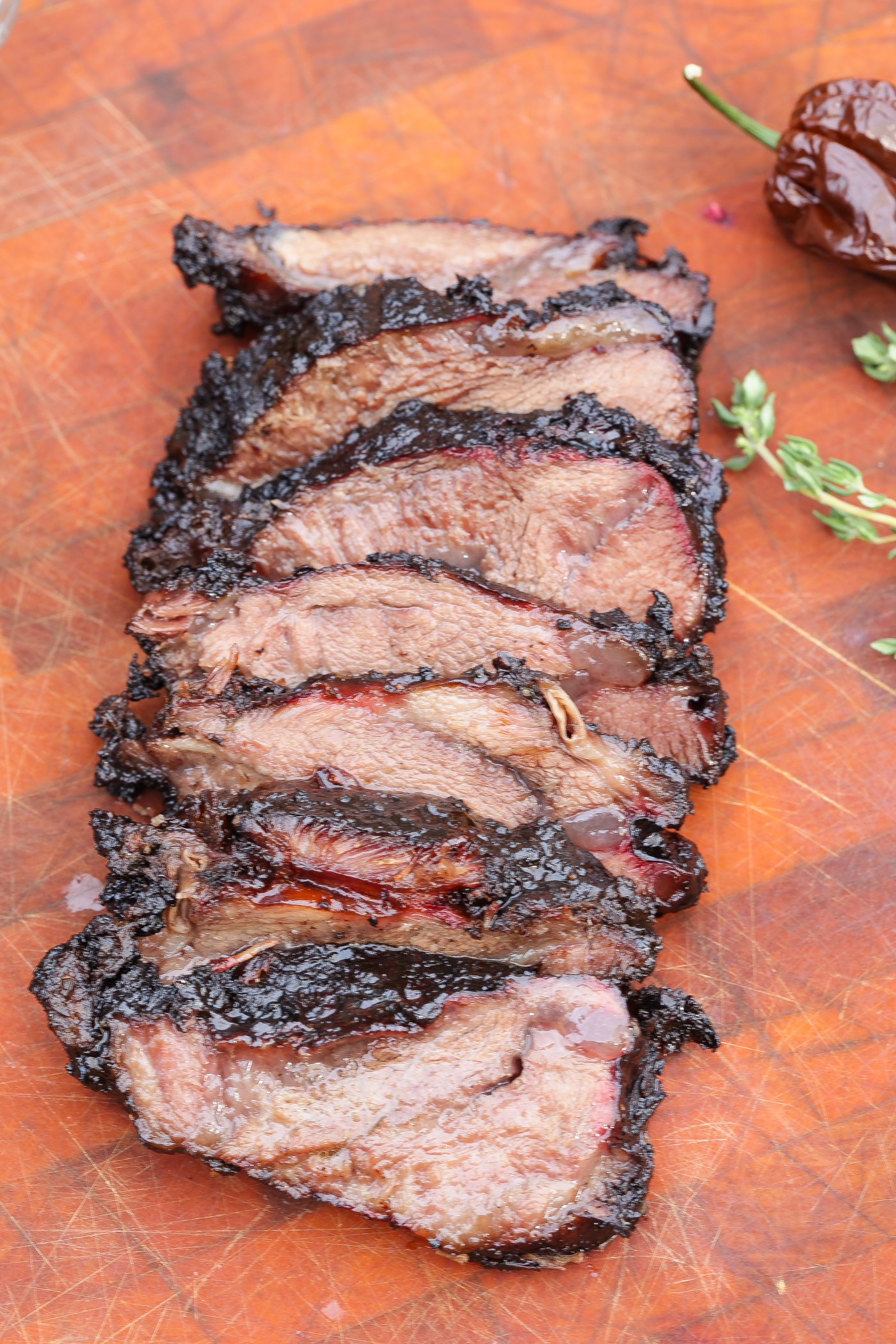
Low and slow meets island soul in these smoked beef cheeks kissed with bold jerk marinade. As the smoke rolls, warm spices, thyme, garlic, and Scotch bonnet heat sink deep into the rich, collagen-packed meat, transforming this humble cut into buttery, pull-apart tenderness with a smoky Caribbean edge.
It’s patience, fire, and rhythm in perfect harmony—deep flavor, slow groove, and serious reward in every bite.
For other smoked beef recipes checkout these smoked beef ribs or this Texas smoked brisket.
What You’ll Love About Smoked Beef Cheeks
Melt-in-your-mouth tenderness – Beef cheeks start tough but transform through low-and-slow smoking into silky, pull-apart, buttery bites.
Deep, beefy richness – This cut delivers an intense, concentrated beef flavor you just don’t get from brisket or chuck.
Perfect bark + smoke – Hours in the smoker build a dark, flavorful crust layered with real wood smoke character.
What Are Beef Cheeks
Cheeks are a beef cut from the facial muscles of a cow. They are known for their rich flavor and tenderness when cooked properly. If you're familiar with oxtail (which are actually beef, but note we don't call beef cheeks ox cheeks) when slow cooked they have that same super rich beefy flavor and tenderness. Here are some key points about beef cheeks:
Beats and Eats (music to pair with beef cheeks)
Eunice Collins’ “At the Motel”
Smoked beef cheeks are all about patience and transformation - tough cut turned velvet through smoke, time, and fire. Rich, sticky, deeply beefy, with that melt-into-the-soul tenderness. That’s the same emotional lane “At the Motel” cruises in - smoky, intimate, a little mysterious, grown-folk music that lingers in the air like hickory smoke on a cool night.
Ingredients Needed To Make Jerk Smoked Beef Cheeks
- Beef Cheeks
- Jamaican Jerk Paste (make your own or use store-bought). You can also simply season with your favorite beef BBQ rub
How To Smoke Beef Cheeks (step by step)
If using jerk paste apply liberally to the beef cheeks. Refrigerate and marinate overnight. If using alternative seasoning follow the same approach.
Prepare smoker for indirect cooking preheating the grill to cook between 225-250 degrees F.
Remove cheeks from refrigerator. Place cheeks on the grill grates and smoke at 250 for about 2 hours.
Remove from smoker and wrap tightly in butcher paper before adding back to the smoker and cooking another hour. You basically want to smoke until the target internal temperature reaches 200 degrees F. Allow to rest 10 minutes before serving. Cheeks will reach internal temps of about 205 degrees while off heat.
What To Serve with Beef Cheeks
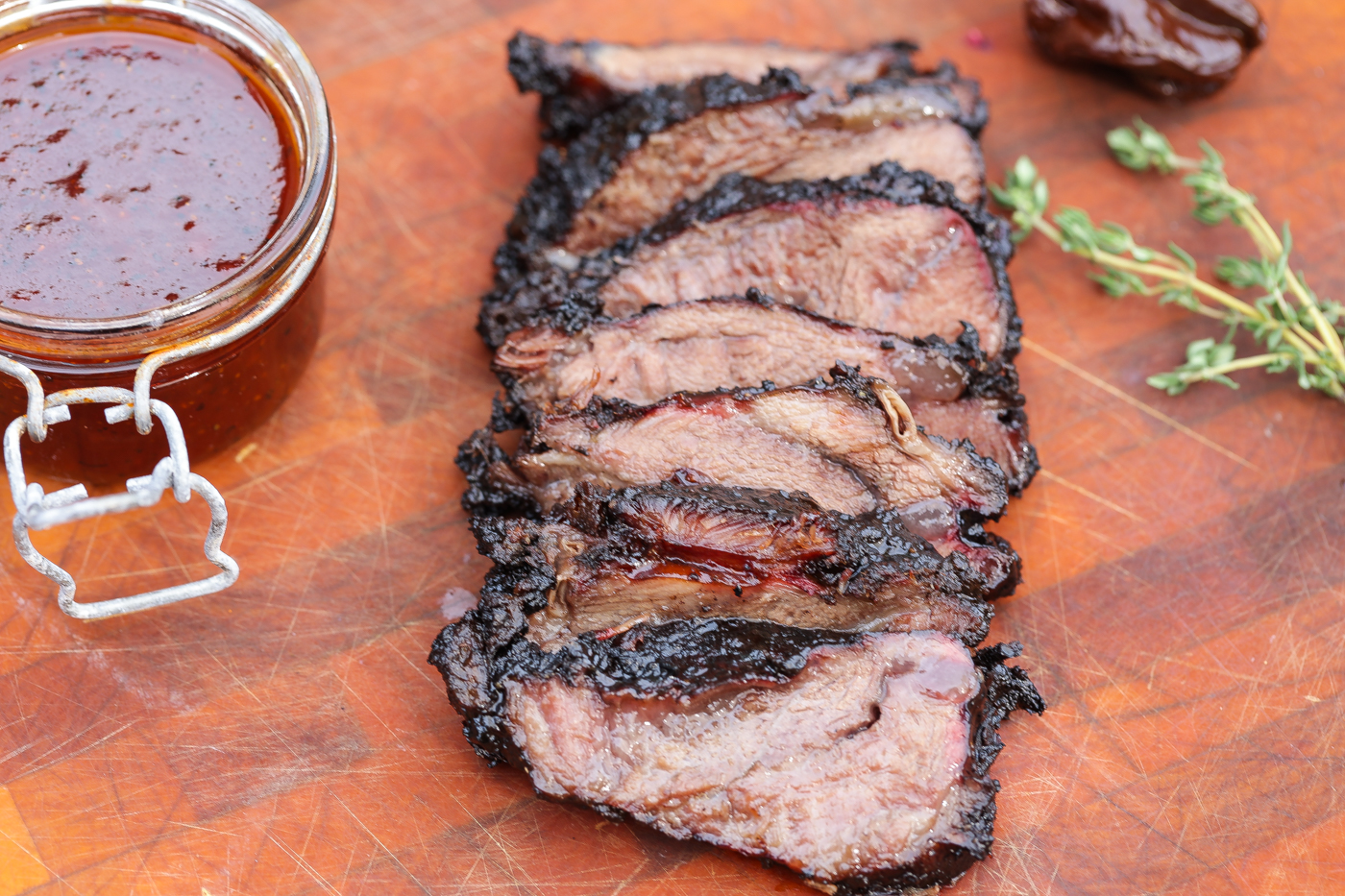
Smoked beef cheeks are rich and flavorful, and they pair wonderfully with a variety of sides that complement their taste and texture. I seve mine with mac and cheese, collard greens, and BBQ baked beans.
For sauce options pair with mambo sauce or jerk bbq sauce.
Tips for Cooking Beef Cheeks
Trim the cheeks of excess fat. There will be a lot and if you don't trim it away you could end up netting more fat than beef after smoking.
Season as you see fit. I had some excess jerk marinade on hand so wanted to use it up before it went bad. Dry spice rubs are a great idea, especially any kind that you use for other beef recipes like brisket or oxtail.
You don't want to cook beef cheeks directly over your heat source as they need time to cook. Indirect cooking over low heat is the way to go. For maximum tenderness you want to control temps so you stay under 250 degrees.
In my research I've seen recipes calling for a braising step where after smoking, the cheeks are cooked in a beef stock based liquid to maximize tenderness. Though I can see how you can add flavor with the step it is not necessary. That smoke gets it done along with the seasoning of choice.
Beef checks make for great leftovers as they are easy to reheat. I like them as filling for beef cheek tacos, quesadillas, and empanadas.
Frequently Asked Questions (FAQs)
What internal temperature should beef cheeks reach?
Beef cheeks should be cooked to an internal temperature of about 205°F for optimal tenderness.
Do beef cheeks need to be marinated?
While not necessary, marinating beef cheeks can enhance their flavor. A marinade with acidic components like wine, vinegar, or citrus juice can help tenderize the meat.
Make This Beef Cheeks Recipe
Whether for a special gathering or a cozy night in, this dish promises to elevate any occasion with its unique blend of taste and atmosphere.
If you make this beef cheeks recipe or any other recipe please come back and leave me a comment below with your feedback. Definitely take a photo of the dish and be sure to tag #foodfidelity so that I can see them.
You can also keep up with my food exploits as well as original recipes! You can find me on Instagram, Facebook, Twitter, and Pinterest. If you like any of the music you find on the site, visit me at Spotify to find curated monthly playlists.
Lastly, go to my YouTube channel and subscribe to be notified when new weekly videos are uploaded.
Smoked Beef Cheeks
Method
- If using jerk paste apply liberally to the beef cheeks. Refrigerate and marinate overnight. If using alternative seasoning follow the same approach.
- Prepare smoker for indirect cooking preheating the grill to cook between 225-250 degrees F.
- Remove cheeks from refrigerator. Place cheeks on the grill grates and smoke at 250 for about 2 hours.
- Remove from smoker and wrap tightly in butcher paper before adding back to the smoker and cooking another hour. You basically want to smoke until the target internal temperature reaches 200 degrees F. Allow to rest 10 minutes before serving. Cheeks will reach internal temps of about 205 degrees while off heat.

Leave a comment